When a dental implant feels loose, it can make eating, speaking, and smiling feel uncomfortable. If you notice this problem, do not panic, but do not ignore it either. At Affinity Dental Queen Creek, patients can seek guidance from Dr. Kelly B. Wettstein and Dr. Payton Harker to understand what may be causing the movement and which treatment options may help.
The good news is that a loose-feeling replacement tooth does not always mean the implant has failed. Sometimes, the problem involves the crown or a small connecting screw rather than the implant itself. However, the right response depends on which part has moved and whether the surrounding gums and bone remain healthy.
Why Does a Dental Implant Feel Loose?
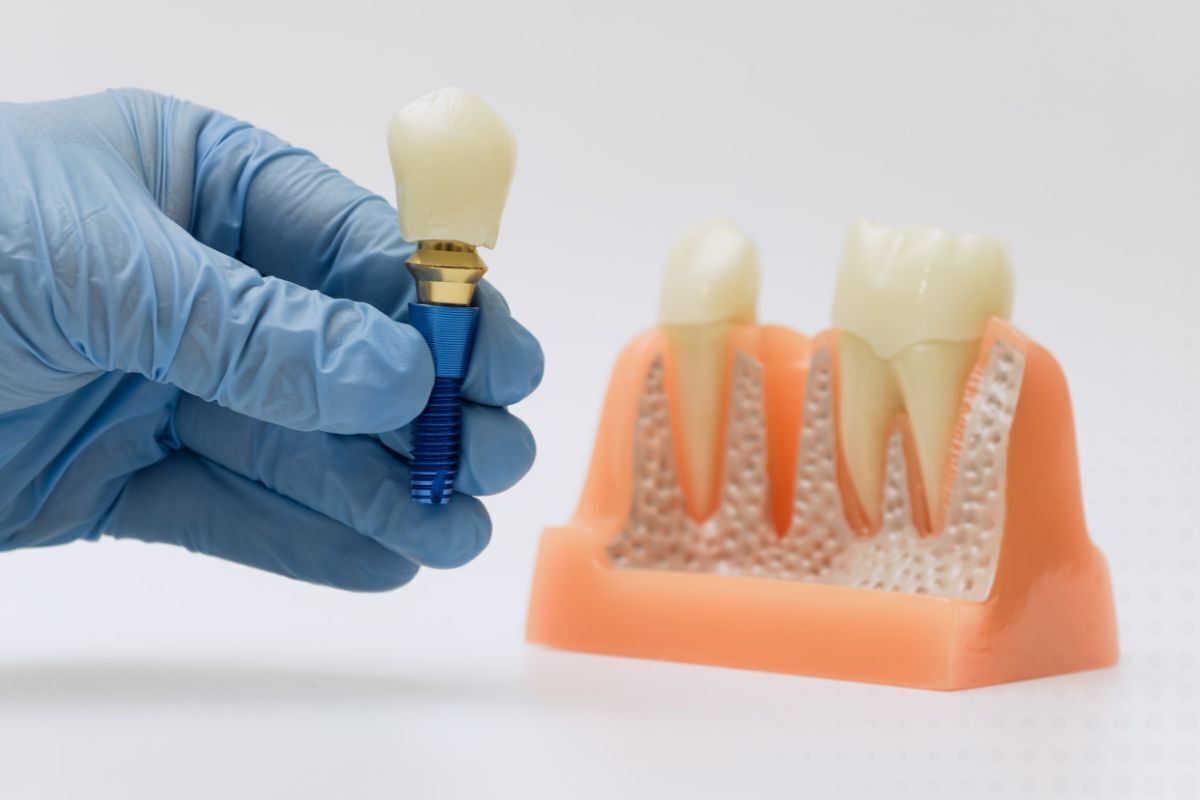
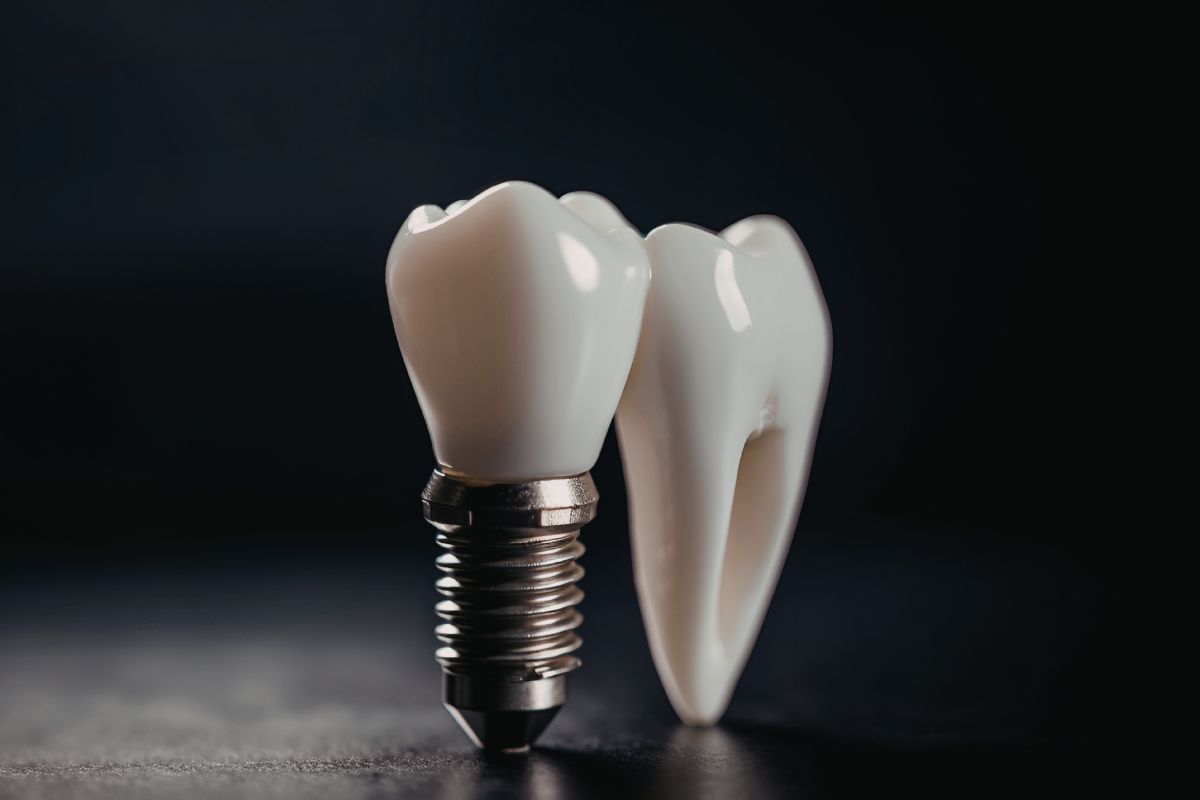
A replacement tooth has several parts that work together. The implant post sits in the jawbone, the abutment connects the post to the replacement tooth, and the crown provides the visible chewing surface.
When a dental implant feels loose, the movement may come from one of these parts. Understanding the difference helps you recognize why a dental examination matters.
1. A Loose Implant Crown or Connecting Screw
The crown can sometimes move because its retaining screw has loosened or the connection between the crown and abutment has changed. You might notice a clicking sensation, movement while chewing, or a bite that feels different.
This problem does not automatically mean the implant post has lost its support. A dentist can examine the restoration, identify the cause, and determine whether the crown or connecting components need adjustment or replacement.
2. Problems During the Healing Period
After implant placement, the post needs time to integrate with the jawbone through a process called osseointegration. During this period, the bone gradually forms a stable connection with the implant surface.
If the implant moves during healing, it requires prompt professional assessment. Excessive movement or pressure can interfere with successful integration. Follow your dentist’s instructions about temporary teeth, chewing, and follow-up visits.
At Affinity Dental Queen Creek, Dr. Kelly B. Wettstein and Dr. Payton Harker can help patients need dental implants in Queen Creek understand the difference between a loose crown and possible implant instability. If your dental implant feels loose, an examination can help identify the source of the movement and guide the next steps before the problem becomes more complicated.
Common Causes of Implant Movement
Several factors can cause a restoration to feel unstable. Some involve the replacement tooth itself, while others affect the tissues that support it.
3. Teeth Grinding or Clenching
Do you wake up with a sore jaw or notice that you clench your teeth when stressed? These habits can place repeated pressure on your teeth and restorations.
Over time, excessive biting forces may contribute to a loose screw, a damaged crown, or other mechanical problems. Grinding can also put additional stress on the supporting structures.
Your dentist may recommend a custom night guard if grinding or clenching contributes to the problem. The appropriate solution depends on the condition of the restoration and your bite.
4. Gum Inflammation and Bone Loss
Healthy gums and adequate bone support help maintain implant stability. However, bacteria can collect around the implant and cause inflammation. A condition called peri-implantitis affects the tissues around an implant and can lead to supporting bone loss.
Watch for these warning signs:
- Red, swollen, or tender gums around the replacement tooth.
- Bleeding when brushing or flossing.
- Pus or discharge near the implant.
- Persistent bad breath or an unpleasant taste.
- Increasing discomfort when biting.
- A change in how securely the replacement tooth fits.
These symptoms do not confirm implant failure, but they warrant a dental examination. Early assessment can help the dentist determine whether inflammation, infection, or another issue needs treatment.
5. A Damaged Crown or Abutment
A crown can chip, crack, or wear down over time. The abutment or its connecting screw can also become damaged. In some cases, a poorly fitting restoration or uneven bite forces may contribute to repeated mechanical problems.
If your replacement tooth suddenly feels unstable, avoid testing it repeatedly with your tongue or fingers. A dentist can examine the individual components and determine whether a repair, adjustment, or replacement makes sense.
Dental Implant Feels Loose: When Should You Seek Attention?
A loose-feeling restoration deserves attention even if you do not have pain. Some mechanical problems cause little discomfort at first, yet continued chewing can place additional stress on the affected components.
Contact your dentist promptly if you notice:
- Movement or rocking while eating.
- A clicking sound or an unusual sensation when biting.
- A crown that appears higher or out of position.
- New gum swelling, redness, or bleeding.
- Persistent pain or tenderness around the implant.
- A sudden change in your bite.
- A loose temporary tooth during the healing period.
When Is It an Emergency?
Seek urgent dental care if movement occurs alongside severe or rapidly worsening pain, significant swelling, pus, or fever. If swelling affects your breathing or swallowing, seek emergency medical care immediately.
A dentist needs to determine whether the problem involves the crown, connecting screw, implant post, or supporting tissues. Therefore, avoid assuming that the issue is minor simply because the visible tooth still looks normal.
Loose Implant Crown vs. a Loose Implant Post
These two problems can feel similar, but they have different causes and treatment needs.
Loose Crown or Connecting Component
If only the crown or abutment moves, the implant post may still have a stable connection with the jawbone. Depending on the findings, the dentist may tighten or replace a screw, repair the crown, or create a new restoration.
Movement of the Implant Post
Movement of the actual implant post is more concerning. It may indicate that the implant has not integrated properly with the bone or has lost its support because of bone loss, infection, or another complication.
The dentist may examine the area, check the bite, assess the surrounding tissues, and take dental X-rays when appropriate. These steps help establish the cause rather than relying on symptoms alone.
The key difference: A loose crown may be repairable without removing the implant, while a mobile implant post may require more extensive treatment. Only a clinical examination can determine which situation applies.
What Should You Do If Your Dental Implant Feels Loose?
Taking sensible precautions can help prevent further damage while you arrange an appointment.
Steps to Follow at Home
- Avoid chewing on the affected side. Choose softer foods and avoid hard, crunchy, or sticky items that could increase pressure on the restoration.
- Do not wiggle or pull the tooth. Repeatedly testing its movement can place additional stress on the affected parts.
- Keep the area clean. Brush gently with a soft-bristled toothbrush and follow your dentist’s cleaning instructions.
- Do not attempt a repair. Avoid household adhesives, dental glue, or attempts to tighten a screw yourself.
- Contact your dentist promptly. Explain when you first noticed the movement and whether you have pain, swelling, bleeding, or a change in your bite.
If the crown or another component comes out completely, keep it in a clean container and contact your dentist for instructions. Do not attempt to force it back into place.
How Do Dentists Treat a Loose Implant?
Treatment depends on the cause, so your dentist will first examine the restoration and surrounding tissues.
Examination and Diagnosis
The dentist may ask when the movement began, whether you grind your teeth, and whether you recently experienced an injury or noticed pain. The examination may include checking the crown, evaluating your bite, inspecting the gums, and taking X-rays if needed.
Repairing the Crown or Screw
If the implant post remains stable, the dentist may tighten or replace the connecting screw, adjust the bite, or repair the crown. A damaged or poorly fitting restoration may require replacement.
Treating Gum Inflammation or Bone Loss
If the examination reveals inflammation or peri-implant disease, the dentist will recommend treatment based on its severity. This may involve professional cleaning around the implant, improved home-care techniques, or additional treatment for affected tissues.
Managing Implant Failure
If the implant post has lost its stability, the dentist will assess the supporting bone and surrounding tissues before discussing treatment options. Depending on the findings, treatment may involve removing a failed implant, allowing the area to heal, or considering replacement after reassessment.
Not every loose-feeling restoration requires implant removal. A careful diagnosis helps determine the least extensive treatment that can safely address the problem.
How Can You Reduce the Risk of Future Problems?
Although no treatment can guarantee that complications will never occur, consistent care can help protect your restoration.
- Brush twice daily with a soft-bristled toothbrush.
- Clean between your teeth and around the implant as directed by your dentist.
- Attend regular dental checkups and professional cleanings.
- Avoid chewing ice and other extremely hard objects.
- Ask about a night guard if you grind or clench your teeth.
- Report changes in your bite, gum health, or restoration fit early.
- Follow all post-operative instructions during the healing period.
These habits help maintain the health of the gums and supporting tissues while allowing your dentist to identify potential problems before they progress.
Do Not Ignore a Loose-Feeling Dental Implant
When a dental implant feels loose, the cause may be a loose crown, a connecting screw, excessive biting pressure, gum inflammation, or a problem with the implant’s connection to the jawbone. Although some mechanical issues can be repaired, movement of the actual implant post needs careful evaluation.
The safest approach is to avoid chewing on the affected side, keep the area clean, and arrange a dental examination promptly rather than waiting for the symptoms to worsen.
If your dental implant feels loose, schedule an appointment with Affinity Dental Queen Creek, to have the area evaluated by Dr. Kelly B. Wettstein or Dr. Payton Harker and discuss the appropriate next steps for restoring comfort and stability.
Ready to see us?
New patients are always welcome.
Request an AppointmentCall us (480) 882-2300