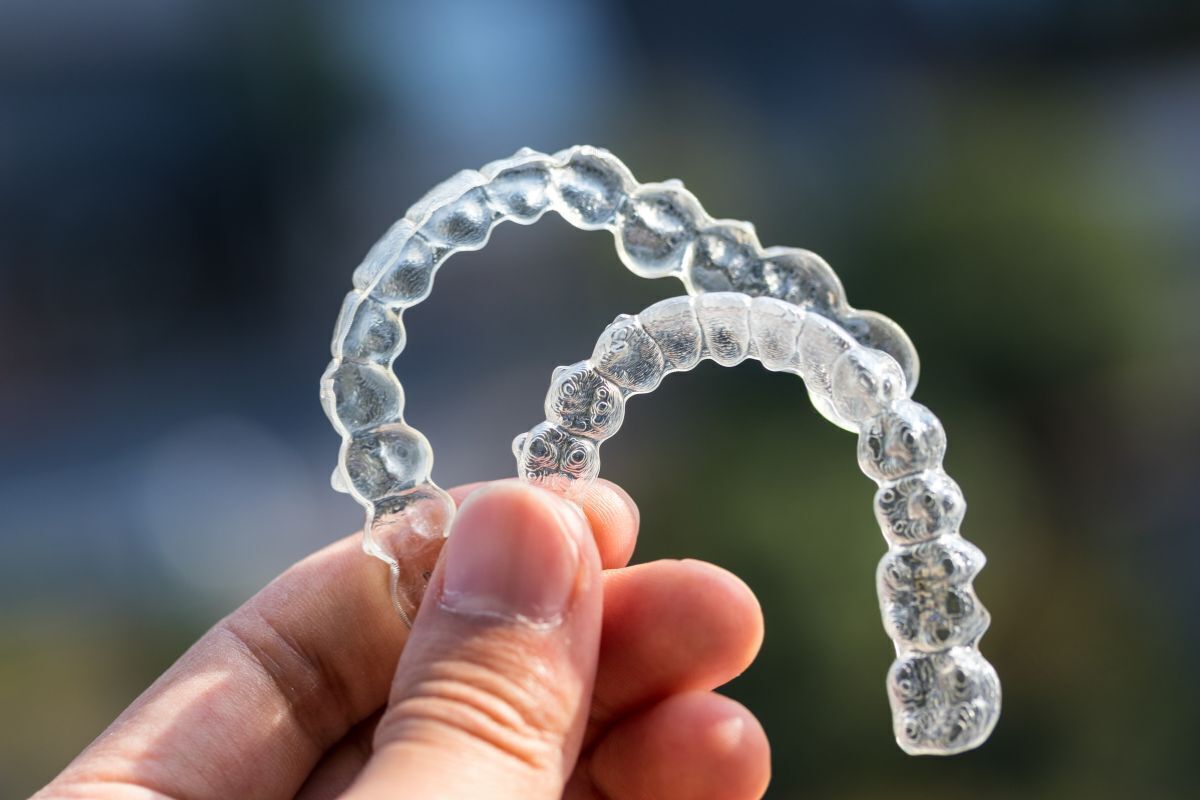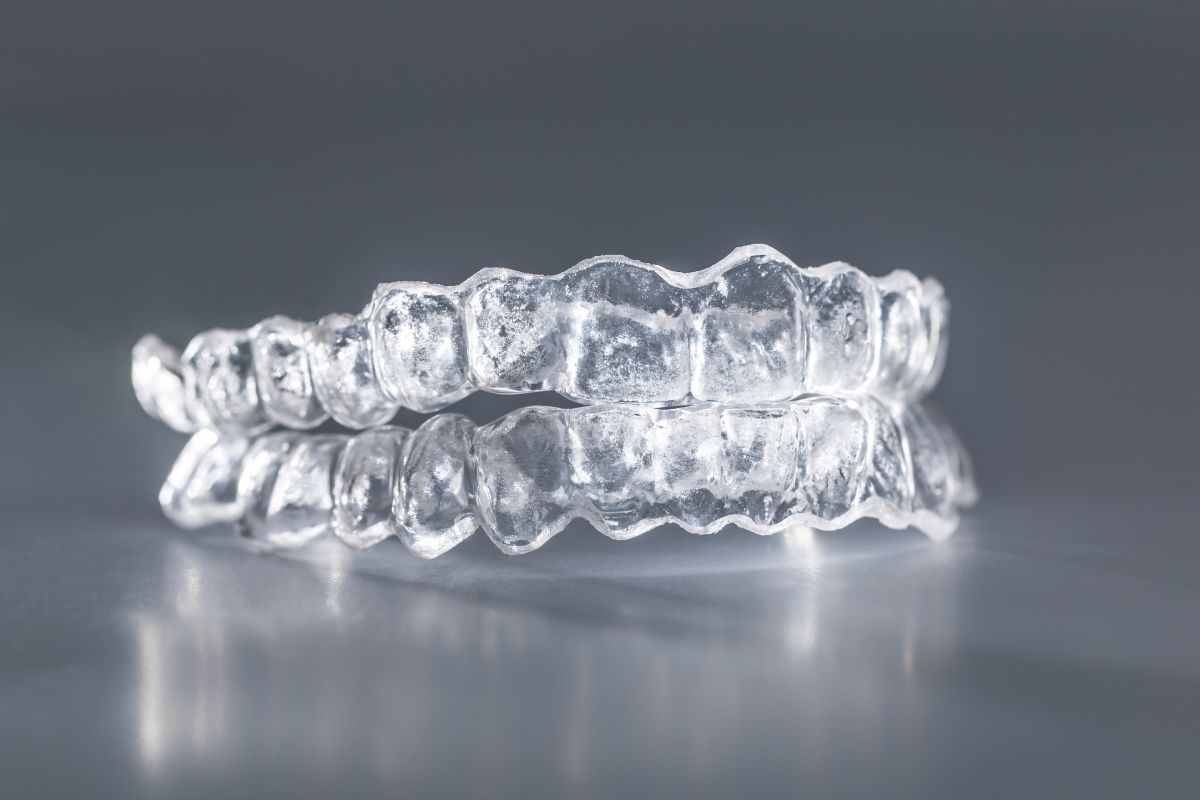
When Invisalign aligners do not fit properly, you may notice gaps between the plastic and your teeth, difficulty seating a new tray, or a feeling that the aligner keeps slipping out of place. Although a little tightness can be normal when you start a new set, a poor fit may mean your teeth need more time to move or your treatment needs attention. At Affinity Dental Queen Creek, Dr. Kelly B. Wettstein and Dr. Payton Harker help patients understand their orthodontic concerns and determine the right next steps.
The important thing is not to force an aligner into position or change your treatment schedule on your own. Instead, learn what a normal fit looks like, identify possible causes of the problem, and contact your treating dentist when the fit does not improve.
What Should Properly Fitting Clear Aligners Feel Like?
Clear aligners use gentle, controlled pressure to move teeth toward planned positions. Each tray represents a stage in your treatment, so its shape should correspond closely to the position your teeth need to reach at that stage.
When you insert a new tray, you may feel mild pressure or tightness. This sensation often decreases as your teeth adjust over the next few days.
Signs of a Normal Fit
A properly fitting tray should generally:
- Sit securely over your teeth without rocking.
- Cover the teeth as designed, including the edges.
- Feel snug without causing severe or persistent pain.
- Stay in place when you speak or move your mouth.
- Fit around any attachments your dentist placed on your teeth.
Small spaces between the aligner and a tooth can sometimes occur during a transition to a new tray. However, a noticeable gap that persists or grows deserves attention.
Common Reasons Invisalign Aligners May Not Fit Properly
Several factors can affect how closely a tray fits your teeth. Identifying the cause helps your dentist decide whether you need more time with your current set, a different tray, or an adjustment to your treatment plan.
At Affinity Dental Queen Creek, patients receiving Invisalign treatment can discuss concerns about tray fit and tooth movement with their dental team. If your Invisalign aligners feel loose, will not seat completely, or cause unusual discomfort, an assessment can help determine whether your teeth are following the planned movement.
1. You Have Not Worn Your Aligners Long Enough
Removable aligners offer flexibility, but they require consistent use. Many treatment plans call for wearing them about 20 to 22 hours per day, although your dentist will provide instructions for your specific case.
If you leave your trays out for long periods, your teeth may not move according to the planned schedule. As a result, the next tray may not match your current tooth positions.
Common reasons for missed wear time include:
- Removing trays for long meals or frequent snacks.
- Forgetting to put them back after brushing.
- Leaving them out during social activities.
- Taking extended breaks because of discomfort.
What should you do? Return to your prescribed wear routine if your dentist has not advised otherwise. Do not try to make up for missed hours by forcing a tight tray or advancing to the next stage early.
2. You Switched to the Next Tray Too Soon
Every stage builds on the tooth movement planned in the previous stage. If you move to the next set before your teeth have made enough progress, the new tray may feel unusually tight or fail to sit fully over certain teeth.
Changing trays too early can create a mismatch between the planned tooth positions and your actual progress.
Follow the change schedule provided by your dentist. If you have already switched and the tray does not fit, contact your treating provider before deciding whether to return to an earlier set.
3. Your Teeth Are Not Tracking as Planned
Tracking describes how closely your teeth follow the movement planned for each stage. Sometimes, one or more teeth move more slowly than expected.
For example, you may notice a small space between the plastic and the edge of a front tooth. Alternatively, the tray may fit most teeth but leave a visible gap around one particular area.
Several factors can contribute to tracking problems:
- Inconsistent wear time.
- Tooth movements that require more time.
- Attachments that have come off.
- Changes in your bite or tooth position.
- The need for adjustments to the original treatment plan.
If the gap persists, your dentist may check your teeth, attachments, and current tray before deciding what to do next.
4. An Attachment Has Come Off
Attachments are small tooth-colored shapes that a dentist bonds to selected teeth. They help the aligner grip the tooth and guide certain movements.
If an attachment comes off, the tray may no longer fit or function as intended in that area. You might notice that one tooth does not seem to follow the planned movement or that the aligner sits differently than before.
Contact your dentist if you suspect an attachment has detached. Do not attempt to glue it back yourself. Your provider can determine whether you need a replacement attachment and whether your current treatment schedule should change.
5. Your Aligner Is Damaged or Warped
A cracked, bent, or distorted tray may not fit securely. Heat can also affect the shape of plastic aligners, so hot water and other heat sources can create problems.
Check the tray for visible cracks, sharp edges, or changes in shape. If it appears damaged, contact your dentist for instructions rather than trying to reshape it.
Keep your aligners in their protective case when you remove them, and clean them according to your provider’s instructions.
Poor Fit vs. Normal Tightness: How Can You Tell?
It helps to distinguish expected pressure from signs that something may be wrong.
| What you notice | What it may mean |
|---|---|
| Mild pressure when starting a new tray | Normal adjustment to planned tooth movement |
| Slight tightness that improves over a few days | Often part of the adjustment period |
| A small gap that gradually decreases | Teeth may still be catching up with the tray |
| A large or persistent gap around one tooth | Possible tracking problem |
| A tray that rocks or repeatedly slips off | Poor fit or a damaged tray |
| Sharp pain, gum injury, or a tray that will not seat | Needs professional guidance |
These signs do not confirm a specific problem. Your dentist can evaluate the fit and decide whether your treatment needs a change.
What Should You Do If Your Aligners Do Not Fit?
If your tray does not fit as expected, a few practical steps can help you avoid making the problem worse.
Step 1: Check the Tray Carefully
Look for cracks, bends, sharp edges, or visible damage. Confirm that you have the correct tray for your current stage and that you have placed it on the correct arch.
Do not use a damaged tray or try to reshape it with hot water.
Step 2: Use Your Prescribed Seating Technique
Your dentist may recommend a special seating aid called a chewable aligner aid or aligner seater. This can help the tray sit more closely against your teeth when used as directed.
However, do not bite down forcefully or use a seating aid to push a badly fitting tray into place. If the tray will not seat with gentle, instructed use, contact your provider.
Step 3: Review Your Wear Routine
Think about how long you have worn the current set each day. If you regularly leave your trays out for extended periods, your teeth may need additional time to catch up.
Return to the prescribed schedule, but do not extend or shorten a stage without your dentist’s advice.
Step 4: Contact Your Dentist
Contact your treating provider if the gap remains noticeable, the tray will not seat fully, or the fit has changed unexpectedly.
Your dentist may recommend continuing with the current tray, temporarily returning to a previous set, replacing a damaged aligner, or arranging a new scan and additional trays. The right option depends on your treatment plan and clinical findings.
What Should You Avoid When an Aligner Does Not Fit?
Trying to solve the problem yourself can create additional complications. Avoid these common mistakes:
- Do not force the tray into place. Excessive pressure may damage the aligner or irritate your gums.
- Do not skip ahead. A newer tray may create more pressure without addressing the original problem.
- Do not change trays without guidance. Returning to a previous set may help in some situations, but your dentist should direct that decision.
- Do not trim or reshape the aligner. Altering its shape may affect how it applies pressure.
- Do not ignore persistent pain. Mild pressure can occur, but severe pain, swelling, cuts, or continuing discomfort needs professional advice.
If the tray causes significant pain or injures your mouth, contact your provider promptly for instructions on whether to continue wearing it.
How Can Your Dentist Correct a Poor Fit?
Treatment depends on why the tray no longer fits as expected. Your dentist will usually review your wear history, examine the aligner, and check how your teeth have moved.
Adjusting the Treatment Schedule
If your teeth need more time to catch up, your dentist may recommend staying with the current tray longer or returning to a previous set. Follow the specific instructions you receive rather than making this decision independently.
Replacing an Attachment or Aligner
If an attachment has come off or a tray has cracked, your provider may replace the affected component or order another aligner when appropriate.
Refining Your Treatment Plan
Sometimes, teeth do not follow the original plan closely enough, even when you wear your trays as directed. Your dentist may recommend additional scans and refinement trays to guide the remaining movement.
These adjustments are a normal part of some orthodontic treatment plans. They allow your provider to respond to how your teeth actually move rather than relying only on the original prediction.
How Can You Prevent Future Fit Problems?
Consistent habits can help your teeth follow the planned movement and keep your trays in good condition.
- Wear your trays for the daily duration prescribed by your dentist.
- Change to the next set only when instructed.
- Remove aligners for meals and follow your provider’s guidance about drinks.
- Brush your teeth before reinserting your trays whenever possible.
- Clean your aligners according to the recommended instructions.
- Store trays in their case when you remove them.
- Attend follow-up visits so your dentist can monitor progress.
- Report missing attachments, damaged trays, or persistent gaps promptly.
Remember that every smile responds differently. Even with excellent compliance, your dentist may need to make adjustments as treatment progresses.
Take Action When Your Aligners Do Not Fit
A poor-fitting tray can result from missed wear time, switching sets too soon, slow tooth movement, a missing attachment, or damage to the aligner. Although mild pressure often occurs when you start a new stage, a persistent gap, rocking tray, or significant discomfort should not be ignored.
Check your tray, follow your prescribed wear routine, and avoid forcing it into position. Most importantly, contact your treating dentist if the fit does not improve or you notice a sudden change.
If your Invisalign aligners are not fitting properly, schedule an appointment with Affinity Dental Queen Creek, to discuss your concerns with Dr. Kelly B. Wettstein or Dr. Payton Harker and determine the next step for your treatment.
Ready to see us?
New patients are always welcome.
Request an AppointmentCall us (480) 882-2300