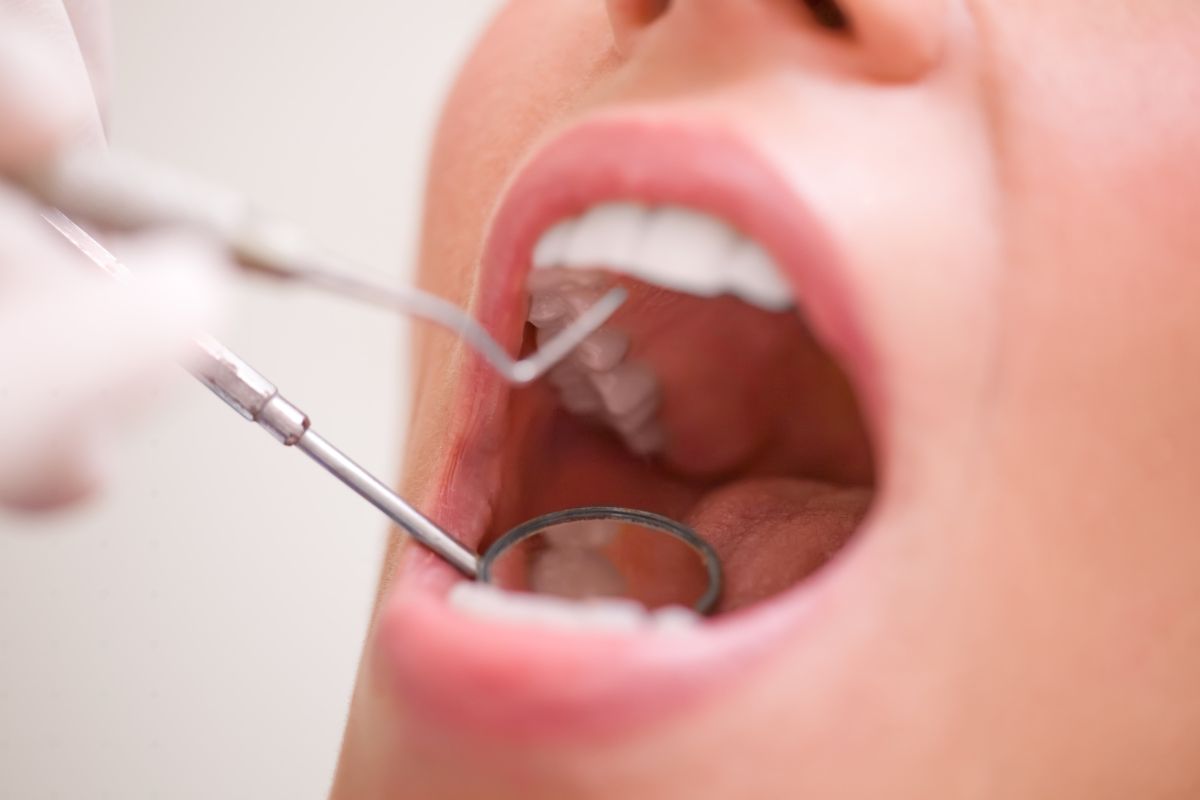
You wake up with a dull, throbbing headache — again. You reach for ibuprofen and push through your day. But what if that headache might actually be your jaw in Queen Creek? Many patients are surprised to learn their recurring headaches, ear pain, or neck tension trace back to a jaw condition called TMJ disorder. Understanding the connection can change everything about how you find relief.
The temporomandibular joint, or TMJ, connects your jaw to your skull. It controls chewing, speaking, and yawning. When this joint becomes inflamed or misaligned, it sends pain signals far beyond your jaw. Dr. Kelly Wettstein at Affinity Dental Queen Creek helps patients identify and manage these often-misunderstood symptoms every day.
What Is TMJ Disorder and Why Does It Cause So Many Symptoms?
TMJ disorder is an umbrella term for problems affecting the jaw joint and surrounding muscles. The joint sits just in front of your ears on both sides of your face. When it doesn’t function correctly, nearby nerves and muscles become irritated. That irritation can radiate outward in surprising ways.
The trigeminal nerve is the largest cranial nerve in your head. It runs through your jaw, temples, forehead, and ears. TMJ dysfunction can trigger this nerve and create pain across a wide area. This is exactly why so many patients in Queen Creek suffer for months before connecting their symptoms to their jaw.
Common causes of TMJ disorder include teeth grinding, jaw clenching, bite misalignment, and jaw injury. Stress plays a significant role as well. Many people clench their teeth during sleep without realizing it, which slowly strains the joint over time.
Recognizing the Full Range of TMJ Symptoms in Queen Creek Patients
That headache might actually be your jaw in Queen Creek — and headaches are just one of many warning signs. TMJ disorder produces a surprisingly wide range of symptoms. Knowing what to look for helps you seek the right care sooner.
Here are the most common TMJ symptoms patients experience:
- Jaw pain or soreness — especially in the morning or after eating
- Clicking or popping sounds — when you open or close your mouth
- Frequent headaches — often mistaken for tension headaches or migraines
- Ear pain or fullness — without any sign of ear infection
- Neck and shoulder stiffness — caused by overworked jaw muscles
- Facial fatigue — a tired or heavy feeling around the cheeks and jaw
- Difficulty opening your mouth wide — or a locked jaw sensation
- Tooth sensitivity — from grinding that wears down enamel
Not every patient experiences all of these symptoms. Some people feel only mild clicking. Others deal with daily headaches that disrupt their quality of life. The severity varies widely, which is another reason TMJ disorder so often goes undiagnosed.
Why Headaches and Ear Pain Get Misdiagnosed So Often
Patients frequently visit their primary care doctor for recurring headaches. They may also see an ear, nose, and throat specialist for ear fullness or ringing. These visits are not wasted, but they often miss the real source of the problem. Without examining the jaw, providers can overlook TMJ disorder entirely.
Headaches caused by TMJ dysfunction typically feel like tension headaches. They often start at the temples or behind the eyes. Some patients describe them as a tight band squeezing around their head. Because the jaw is not an obvious headache location, the connection is easy to miss.
Ear symptoms can be just as confusing. The TMJ sits directly adjacent to the ear canal. Inflammation in the joint can create a feeling of pressure, muffled hearing, or even tinnitus. Patients often complete multiple rounds of treatment for ear infections before anyone looks at their jaw.
Neck stiffness rounds out the confusion. Overworked jaw muscles pull on the neck and upper back. This creates a chain reaction of tension that feels unrelated to oral health. A dentist trained in TMJ evaluation can identify these patterns quickly.
How Affinity Dental Queen Creek Evaluates and Addresses Jaw Pain
Dr. Kelly Wettstein takes a thorough approach to evaluating patients who may have TMJ disorder. The process begins with a detailed conversation about your symptoms. Understanding when pain occurs, how long it lasts, and what makes it worse helps build an accurate picture.
A clinical examination of the jaw joint, bite, and surrounding muscles follows. Affinity Dental Queen Creek uses digital X-rays and intraoral scanners to assess the teeth and jaw structure with precision. These tools reveal bite problems or signs of grinding that contribute to TMJ dysfunction.
Here is what you can expect during a TMJ evaluation at our Queen Creek office:
- Review of your health history and symptom timeline
- Physical examination of your jaw joint, bite, and muscle tension
- Digital imaging to assess bone structure and tooth wear
- Discussion of contributing factors like stress, posture, and sleep habits
- Personalized treatment recommendations based on your specific findings
One common and effective treatment is a custom night guard. Night guards cushion the teeth during sleep and prevent the grinding that strains the jaw. They are non-invasive, comfortable to wear, and protect your enamel at the same time. Many patients notice significant symptom improvement within just a few weeks.
For patients with severe tooth damage caused by grinding, additional restorative care may be needed. Our team also screens for oral cancer during every comprehensive exam, ensuring your overall oral health is fully evaluated at each visit.
When to See a Dentist About Jaw-Related Pain
You do not need to wait until the pain becomes unbearable. Early intervention typically leads to faster and more complete relief. Reach out to a dentist if you notice any of the symptoms listed above, especially if they have lasted longer than a few weeks.
Certain situations call for more urgent attention. If you experience sudden jaw locking, severe pain when chewing, or a dramatic change in your bite, contact a dental office promptly. While TMJ disorder is not usually a dental emergency, some complications can escalate without timely care.
It is also worth mentioning that jaw pain and toothaches can sometimes overlap or coexist. A cracked tooth or deep decay may cause localized jaw pain that mimics TMJ symptoms. Proper diagnosis rules out other causes before settling on a treatment plan. Patients dealing with urgent dental pain can learn more about Emergency Dentistry Queen Creek options available at our office.
In some cases, untreated dental infections spread and create referred jaw or facial pain. Conditions that affect the tooth root may require more involved treatment. If your dentist identifies an infection during your TMJ evaluation, a Root Canal Queen Creek procedure may be recommended to eliminate the source of pain.
Simple Steps You Can Take Right Now to Ease Jaw Tension
While professional care is the most reliable path to relief, a few habits can reduce jaw tension in the meantime. These tips will not replace a proper evaluation, but they can provide some comfort while you seek an appointment.
- Apply a warm compress to your jaw for 10 to 15 minutes to relax tight muscles
- Avoid hard, chewy, or crunchy foods that stress the joint
- Practice conscious jaw relaxation — teeth apart, lips lightly closed
- Reduce caffeine and manage stress through light exercise or breathing techniques
- Avoid resting your chin in your hand, which puts pressure on the joint
- Sleep on your back when possible to reduce pressure on the jaw
These strategies work best as part of a broader plan developed with your dentist. They are not cures, but they support your recovery and protect the joint from further strain.
Frequently Asked Questions
Can a dentist really treat TMJ disorder?
Yes. Dentists are often the first healthcare providers to diagnose TMJ disorder because they examine the teeth, jaw, and bite regularly. Dr. Kelly Wettstein at Affinity Dental Queen Creek evaluates jaw joint function and offers treatments like custom night guards to relieve symptoms and protect your teeth.
How do I know if my headaches are caused by my jaw?
If your headaches occur frequently in the morning, near your temples, or alongside jaw soreness, clicking, or ear pain, TMJ disorder may be the cause. A dental evaluation is the best way to confirm the connection and rule out other sources of pain.
What does a night guard do for TMJ symptoms?
A custom night guard creates a protective barrier between your upper and lower teeth. It prevents grinding and clenching during sleep, which reduces the strain placed on the TMJ. Many patients experience fewer headaches and less jaw soreness within weeks of consistent use.
Is TMJ disorder a permanent condition?
Not always. Many patients experience significant improvement with proper treatment and lifestyle adjustments. Some cases resolve completely, while others require ongoing management. Early diagnosis and consistent care give you the best chance of long-term relief.
What should I do if my jaw suddenly locks or I cannot open my mouth?
A locked jaw can be alarming but is often manageable with gentle care. Avoid forcing your mouth open. Apply a warm compress and contact your dentist promptly. If pain is severe or you cannot open your mouth at all, seek care as soon as possible so our team can assess and address the problem.
Living with daily headaches, ear discomfort, or jaw pain is not something you have to accept. The team at Affinity Dental Queen Creek is here to help you find answers and feel better. Book Now to schedule your appointment with our team.
Ready to see us?
New patients are always welcome.
Request an AppointmentCall us (480) 882-2300