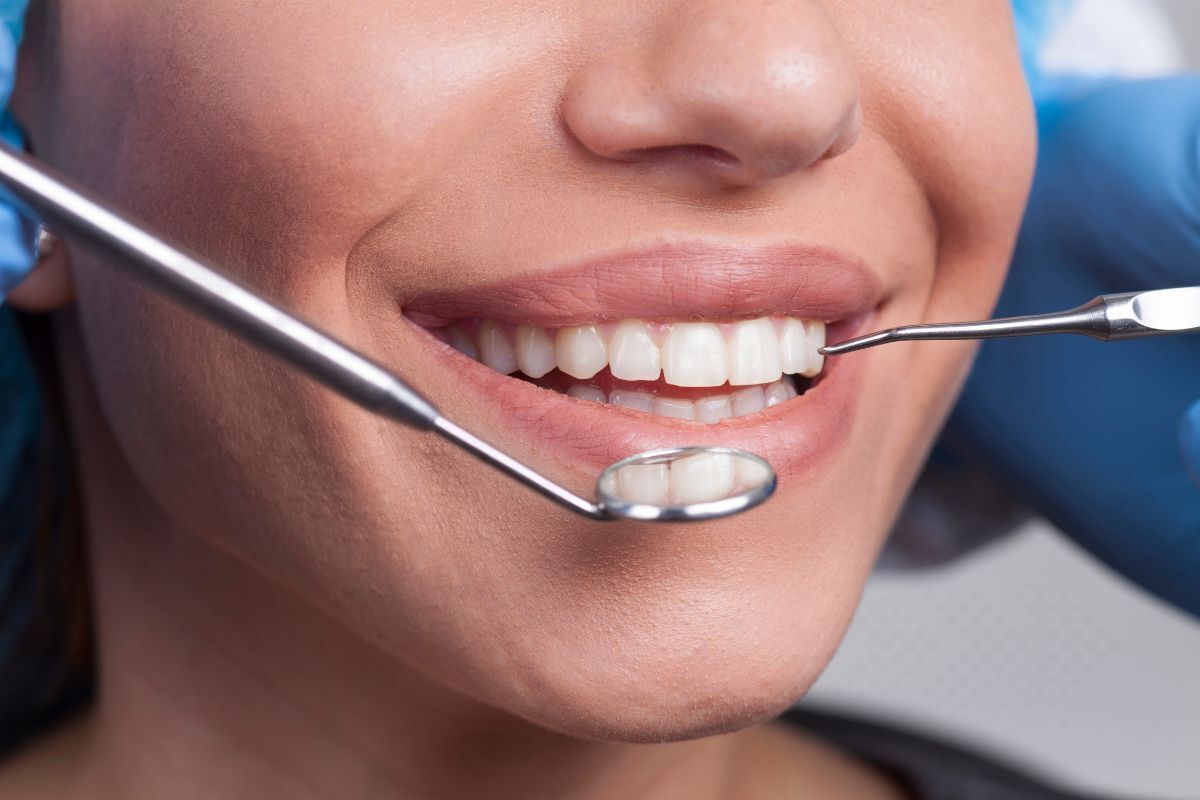

Cosmetic fillings have revolutionized the way we approach tooth restoration and aesthetic enhancement. Whether it’s repairing a cavity or enhancing the appearance of a smile, cosmetic fillings play a crucial role in restoring dental health and confidence. This comprehensive guide aims to shed light on what cosmetic fillings are, their types, benefits, procedures, and the role of a cosmetic dentist in achieving that perfect smile.
What are Cosmetic Fillings?
Cosmetic fillings, also known as tooth-colored or white fillings, are dental restorations used to repair teeth that have been damaged by decay, trauma, or wear. Unlike traditional silver amalgam fillings, cosmetic fillings are made from composite resin materials that closely resemble the natural color and texture of teeth. This makes them an ideal choice for restoring both the function and aesthetics of a smile.
Types of Cosmetic Fillings
1. Composite Fillings: These are the most common types of cosmetic fillings used today. Composite fillings are made from a mixture of plastic and fine glass particles, which can be color-matched to the natural shade of the tooth. They are versatile, durable, and provide excellent aesthetic results.
2. Porcelain Fillings: Porcelain fillings, also known as inlays or onlays, are custom-made restorations fabricated in a dental laboratory. They are highly durable and stain-resistant, making them ideal for restoring large cavities or replacing old fillings. Porcelain fillings offer superior aesthetics and can withstand the forces of chewing and biting.
3. Glass Ionomer Fillings: These fillings are made from glass and acrylic materials. They are commonly used for small cavities in areas of low bite pressure, such as the front teeth or root surfaces. Glass ionomer fillings release fluoride, which helps to strengthen the surrounding tooth structure and prevent further decay.
Benefits of Cosmetic Fillings
1. Aesthetic Appeal: Cosmetic fillings blend seamlessly with natural teeth, providing a more attractive and uniform appearance. They can enhance the overall aesthetics of a smile by filling in gaps, repairing chips, and restoring tooth symmetry.
2. Preservation of Tooth Structure: Unlike traditional amalgam fillings, cosmetic fillings require minimal removal of healthy tooth structure. This helps preserve the tooth’s integrity and strength, reducing the risk of future fractures or complications.
3. Biocompatibility: Composite and porcelain fillings are biocompatible materials that are well-tolerated by the body. They minimize the risk of allergic reactions or sensitivity, making them suitable for patients with metal sensitivities or allergies.
4. Durability: With proper care and maintenance, cosmetic fillings can last for many years, providing long-lasting protection and support to the restored tooth. Regular dental check-ups and good oral hygiene practices are essential for maximizing the lifespan of cosmetic fillings.
The Cosmetic Filling Procedure
The process of getting a cosmetic filling typically involves the following steps:
1. Initial Assessment: During your dental appointment, the dentist will examine the affected tooth and discuss your treatment options. X-rays may be taken to assess the extent of damage and determine the most suitable type of filling.
2. Tooth Preparation: The dentist will numb the area around the tooth with a local anesthetic to ensure a comfortable experience. The decayed or damaged portion of the tooth will be removed using a dental drill or laser, leaving behind a clean and healthy tooth structure.
3. Filling Placement: The chosen filling material will be applied in layers to the prepared tooth, carefully shaping and sculpting it to achieve the desired contour and appearance. Each layer will be hardened using a special curing light to bond the filling securely to the tooth.
4. Final Adjustments: Once the filling is in place, the dentist will make any necessary adjustments to ensure proper fit and bite alignment. The restored tooth will be polished to smooth out any rough edges and give it a natural shine.
5. Post-Procedure Care: It is normal to experience some sensitivity or discomfort following a cosmetic filling procedure. Over-the-counter pain relievers can help alleviate any discomfort, and it is important to follow your dentist’s instructions for post-procedure care to ensure optimal healing and recovery.
Cosmetic fillings have transformed the field of dentistry by offering a conservative, aesthetic, and durable solution for restoring damaged teeth. Whether you’re dealing with a cavity, chip, or discoloration, cosmetic fillings can help rejuvenate your smile and boost your confidence. By understanding the types, benefits, procedures, and roles of a cosmetic dentist in Queen Creek, you can take the first step towards achieving the smile of your dreams. Remember to prioritize regular dental check-ups and diligent oral hygiene to maintain the longevity and beauty of your cosmetic fillings for years to come.