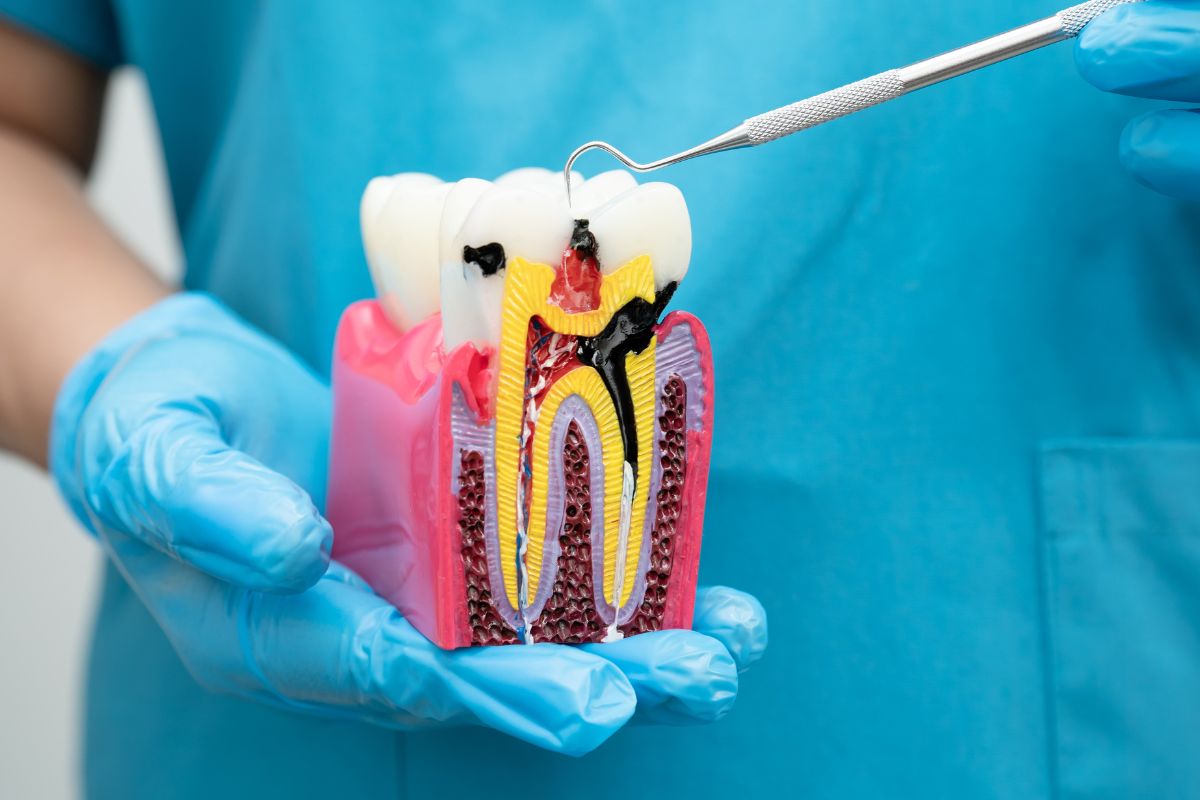

What Happens If You Don’t Get a Root Canal? This is a common question many people ask when facing dental pain or infection. Avoiding root canal treatment might seem harmless at first, but the consequences can become serious over time. When a tooth’s inner pulp becomes infected or decayed, a root canal is often the only way to save it. Ignoring this procedure can lead to the spread of infection, severe pain, and even tooth loss.
This article explains in simple terms what happens if you don’t get a root canal, the warning symptoms to watch for, and why timely treatment is essential for your overall oral health.
Understanding Why Root Canal Therapy Is Needed
Inside every tooth, there’s a soft tissue called the pulp. It contains nerves and blood vessels that keep your tooth alive. When this pulp becomes infected due to deep decay, cracks, or trauma, bacteria start to multiply inside the tooth.
If the infection is not removed through root canal therapy, it can spread beyond the tooth and cause damage to nearby tissues and even bones.
Without treatment, this infection won’t heal on its own. If left untreated, it will continue to worsen, leading to long-term dental and health problems.
Early Symptoms You Should Never Ignore
If you suspect a dental problem but are avoiding root canal treatment, recognizing the symptoms early can help you take prompt action.
Here are some warning signs:
- Persistent tooth pain, especially when chewing or applying pressure
- Sensitivity to hot or cold that lingers
- Swelling or tenderness around the gums
- Tooth discoloration or darkening
- A small, pimple-like bump on the gum near the tooth
If you notice one or more of these symptoms, you may already need a root canal therapy. Delaying treatment could make things worse. At Affinity Dental Queen Creek, we recommend addressing such issues early to prevent further complications and preserve your natural smile.
What Happens If You Don’t Get a Root Canal?
If you don’t get a root canal, the infection in your tooth doesn’t just go away—it continues to spread. Here’s what can happen over time:
A. Increasing Tooth Pain
At first, the pain may come and go, but as the infection spreads, it becomes more intense and constant. You may even find it hard to sleep or eat properly.
B. Formation of an Abscess
An untreated infection can cause a pocket of pus to form near the tooth root, known as an abscess. This is often extremely painful and can lead to swelling in your face or jaw.
C. Damage to Surrounding Bone
As the infection worsens, it begins to affect the bone around the tooth. This can lead to bone loss and even cause nearby teeth to loosen.
D. Spread of Infection to Other Areas
In rare but severe cases, bacteria from the infected tooth can enter your bloodstream and spread to other parts of your body. This can cause serious health problems like sinus infections, sepsis, or heart complications.
E. Tooth Loss
Ultimately, the affected tooth may die and fall out or require extraction. Replacing a lost tooth with a dental implant or bridge is often more expensive and complex than getting a root canal in the first place.
How Long Can You Delay a Root Canal?
You might think you can manage the pain with over-the-counter medications or home remedies, but this is only a temporary fix. Once the pulp is infected, no medicine can heal it permanently.
Delaying treatment allows bacteria to multiply, increasing the risk of abscesses or jawbone infection. In most cases, dentists recommend getting a root canal as soon as the problem is diagnosed. Acting quickly prevents unnecessary pain and saves both your tooth and money.
The Benefits of Getting a Root Canal on Time
Choosing to treat the issue early offers several advantages:
- Pain relief: The procedure removes the infection and stops the pain for good.
- Tooth preservation: You keep your natural tooth instead of losing it.
- Better oral health: It prevents infection from spreading to other teeth.
- Improved confidence: You can smile, eat, and speak comfortably again.
Root canal therapy is performed under local anesthesia, so the process is generally painless and quick. Modern technology makes it even more comfortable and efficient.
Expert Advice from Affinity Dental Queen Creek
Our dental team at Affinity Dental Queen Creek understands that many patients fear the idea of a root canal. However, today’s dental techniques make the procedure safe, smooth, and nearly pain-free.
We encourage patients to treat infection early rather than avoid it. Remember, not getting a root canal could lead to more serious health complications later.
Our approach focuses on comfort, precision, and long-term results—so you can maintain healthy teeth and a confident smile.
Preventing the Need for a Root Canal
Although root canal treatment can save a damaged tooth, prevention is always better. Follow these steps to lower your chances of infection:
- Brush twice daily using fluoride toothpaste
- Floss every day to remove plaque between teeth
- Visit your dentist regularly for cleanings and checkups
- Avoid sugary foods and drinks that cause decay
- Wear a mouth guard if you grind your teeth or play sports
By maintaining good oral hygiene and scheduling regular dental visits, you can reduce the risk of serious infections that lead to root canal therapy.
Don’t Wait—Protect Your Smile Today
Avoiding root canal treatment might seem like an easy choice, but it often leads to more pain, higher costs, and permanent tooth damage. If you’ve been wondering What Happens If You Don’t Get a Root Canal, remember that timely care can save both your tooth and your health.
At Affinity Dental Queen Creek, our compassionate dental team is here to guide you through safe and effective treatment options. Take the first step toward a healthier smile, visit our dental office or schedule your appointment today and protect your teeth for years to come.