A cracked molar causing pain while chewing can make everyday activities like eating and talking uncomfortable. At Dentist in Queen Creek, AZ Queen Creek, patients can receive an evaluation to identify the cause of their discomfort and understand how to protect their natural teeth.
A small crack might cause occasional sensitivity at first. However, deeper damage can affect the inner tooth and increase the risk of infection. Recognizing the warning signs early can help you avoid further damage and preserve your natural tooth whenever possible.
What Causes a Cracked Molar to Hurt While Chewing?
Molars handle much of the pressure involved in chewing. Therefore, they can develop cracks from repeated stress, sudden impacts, or weakened tooth structure.
An experienced dentist at Dentist in Queen Creek, AZ Queen Creek can evaluate the crack, determine how deeply it extends, and recommend appropriate treatment based on the condition of the tooth.
A crack may affect only the outer enamel, or it may extend into the deeper layers of the tooth. The location and depth of the damage influence your symptoms and the treatment your dentist may recommend.
Common causes include:
Biting hard foods: Ice, hard candy, and unpopped popcorn kernels can place sudden pressure on a molar.
Teeth grinding: Repeated clenching and grinding can weaken tooth structure over time.
Large fillings: A tooth with an extensive filling may have less natural structure to support chewing forces.
Dental injuries: An accident or blow to the mouth can cause a crack that becomes noticeable later.
Temperature changes: Very hot and cold foods may trigger discomfort in an already damaged tooth.
Normal wear: Years of chewing can contribute to weakened enamel, particularly when other risk factors are present.
Sometimes, the crack is difficult to see in a mirror. As a result, pain during chewing may be the first clear indication that something is wrong.
Signs You May Have a Cracked Molar
Not every cracked tooth causes constant pain. In fact, some people experience discomfort only when they bite down in a particular way.
Pay attention to these symptoms:
Sharp pain while biting: You may feel a sudden sting when chewing food on the affected side.
Pain when releasing a bite: Discomfort that appears as you stop biting can be a warning sign of a crack.
Temperature sensitivity: Cold drinks, hot foods, or sweet items may trigger a brief ache.
Intermittent discomfort: Symptoms may disappear for hours or days before returning.
Gum tenderness: The gum around the tooth may become sore if inflammation develops.
Swelling or persistent pain: These symptoms may indicate more advanced damage or infection.
Meanwhile, avoid assuming that a tooth is healthy simply because the pain disappears. A crack can remain present even when symptoms temporarily improve.
If you develop facial swelling, fever, or difficulty swallowing or breathing, seek urgent medical or dental care. Difficulty breathing or swallowing requires emergency medical attention.
How an Experienced Dentist Can Diagnose a Cracked Molar
A dental examination helps determine whether a crack, cavity, damaged filling, or another problem causes your pain. Since some cracks remain hidden beneath the surface, diagnosis may require several methods.
Your dentist will ask when the pain began, which foods trigger it, and whether you have noticed swelling or temperature sensitivity. This information helps narrow down possible causes.
The examination may include:
Visual inspection: The dentist checks the tooth for visible cracks, chips, worn surfaces, and damaged fillings.
Bite testing: A controlled test may help identify which tooth produces discomfort under pressure.
Dental X-rays: Images can reveal certain problems around the tooth root and surrounding bone, although fine cracks may not appear on standard X-rays.
Gum examination: The dentist checks the surrounding tissues for inflammation or signs of infection.
Pulp testing: Appropriate tests may help assess whether the tooth's inner nerve tissue remains healthy.
At Dentist in Queen Creek, AZ, the examination findings help guide the next steps. For example, a shallow crack may need a different approach from one that extends into the pulp or below the gumline.
Treatment Options for a Cracked Molar
The right treatment depends on the crack's depth, location, and effect on the tooth's inner tissues. Your dentist will also consider the amount of healthy tooth structure remaining.
Dental bonding for minor damage
If a small chip or limited surface crack affects the tooth, bonding may help restore its appearance and shape. The dentist applies tooth-colored material to the damaged area.
However, bonding is not suitable for every cracked molar. Teeth that handle heavy chewing pressure may need stronger protection.
A dental crown for structural support
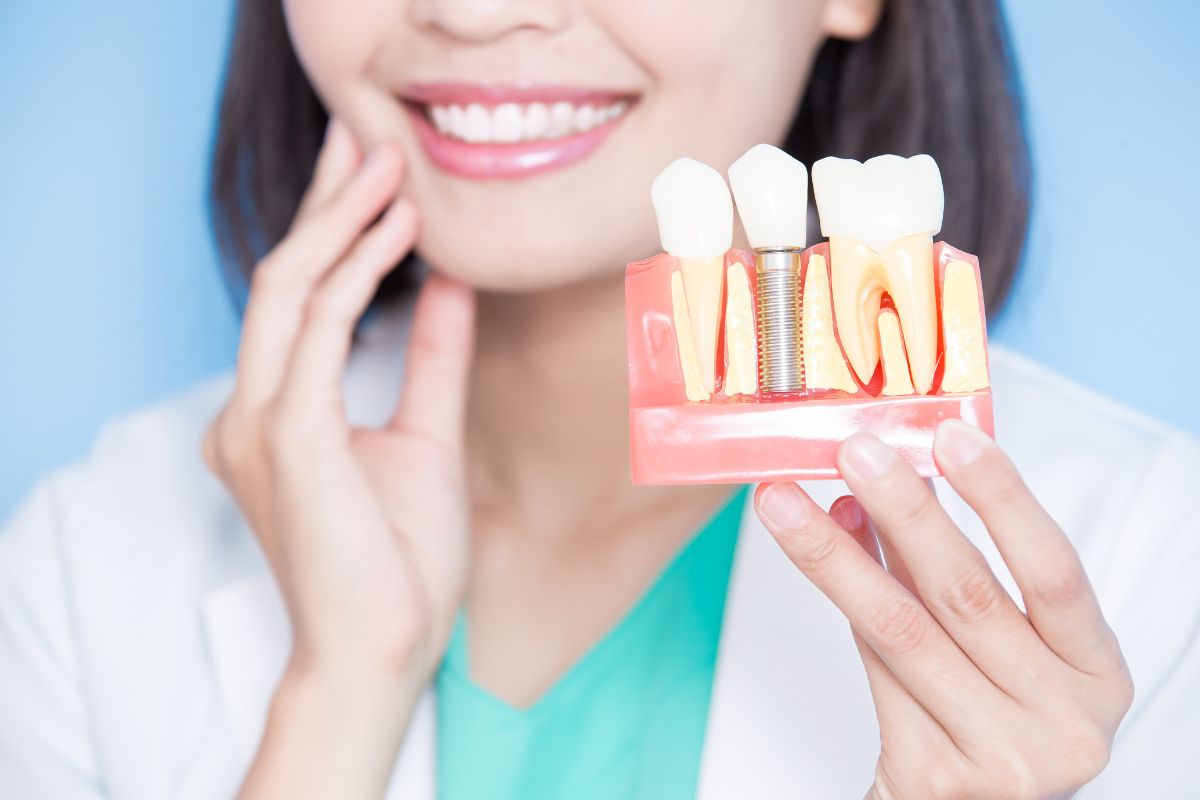
A dental crown covers the visible portion of a tooth. It can help protect a weakened molar and distribute chewing forces across the remaining structure.
Crowns may be appropriate when a crack compromises the tooth but enough healthy structure remains to support restoration. Your dentist will assess whether this option can help prevent further damage.
Root canal treatment
If the crack reaches the pulp, the tissue containing nerves and blood vessels may become inflamed or infected. In selected cases, root canal treatment can remove the affected tissue and allow the tooth to receive a protective restoration.
Nevertheless, root canal treatment cannot repair every crack. A tooth with a severe fracture extending into the root may not be suitable for preservation.
Tooth extraction
Sometimes, a crack separates the tooth into pieces or extends too far below the gumline. In these situations, extraction may offer the safest option.
Your dentist can explain whether the tooth can be saved and discuss replacement options if removal becomes necessary.
What to Do Before Your Dental Appointment
Although home care cannot repair a crack, a few precautions may reduce discomfort and help prevent additional damage.
Chew on the opposite side: This limits pressure on the affected molar.
Choose soft foods: Eggs, yogurt, oatmeal, and other soft options can reduce chewing strain.
Avoid extreme temperatures: Choose foods and drinks that do not trigger sensitivity.
Keep the area clean: Brush gently with a soft-bristled toothbrush and continue careful oral hygiene.
Use over-the-counter pain relief only as directed: Follow the product label and ask a healthcare professional if you have questions about safety.
Avoid DIY repairs: Do not use household adhesives or attempt to file down the tooth.
If you suspect a crack, arrange a dental evaluation promptly rather than waiting for the pain to become constant.
How to Reduce the Risk of Future Tooth Cracks
Although not every crack can be prevented, healthy habits can reduce avoidable stress on your teeth.
Consider these practical steps:
Avoid chewing ice, hard candies, and other unusually hard objects.
Ask your dentist about a custom night guard if you grind or clench your teeth.
Maintain regular dental checkups so weakened teeth and damaged fillings can receive attention.
Wear a properly fitted mouthguard during contact sports.
Brush twice daily with fluoride toothpaste and clean between your teeth every day.
Seek advice when a filling becomes loose or a tooth develops sensitivity.
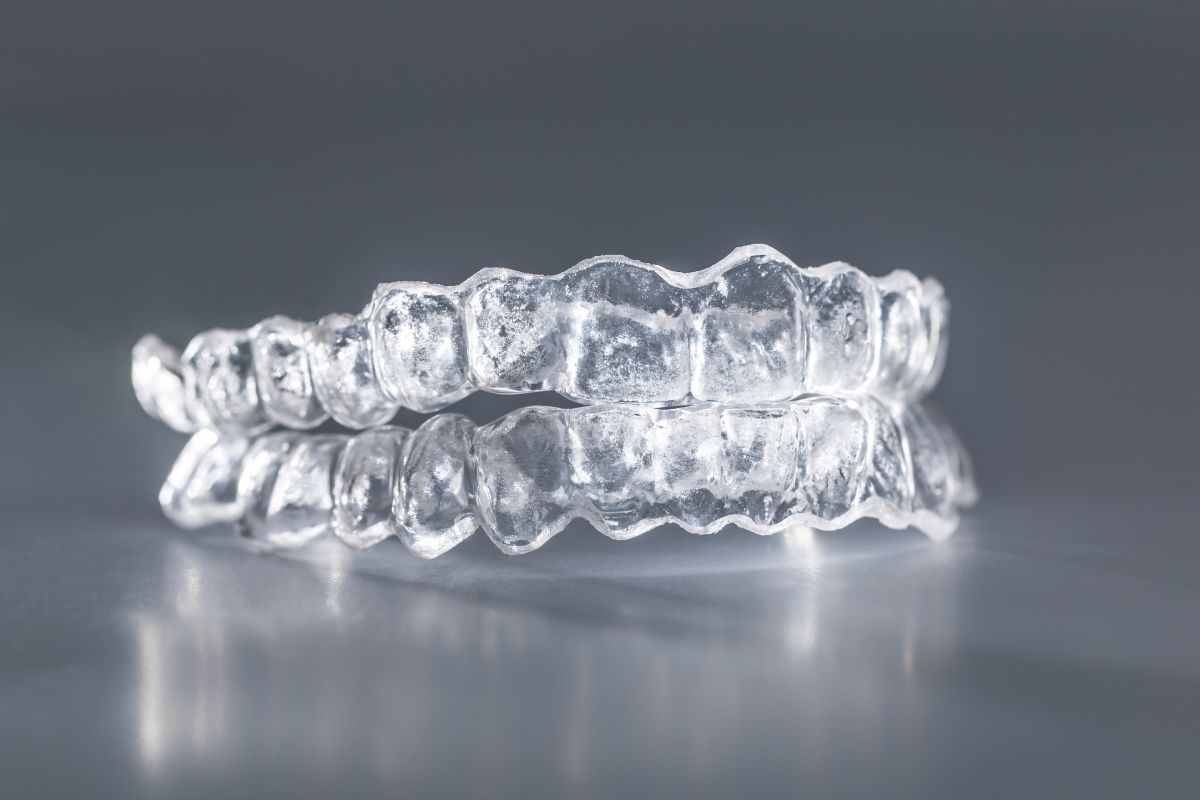
Your dentist may also recommend restorative care when a weakened tooth needs additional support. In addition, patients considering dental care can discuss their alignment needs and how treatment may fit into their overall dental health plan.
Protect Your Tooth Before the Damage Progresses
Pain while chewing should not be ignored, even when it comes and goes. A cracked molar may respond well to treatment when a dentist identifies the problem early. However, delaying care can allow damage to progress and limit the available treatment options.
Dentist in Queen Creek, AZ provides dental care in Queen Creek, Arizona, with treatment recommendations based on each patient's needs. Schedule your appointment to have your tooth evaluated and discuss the next steps toward protecting your smile.
Ready to see us?
New patients are always welcome.
Request an AppointmentCall us (480) 882-2300