Dental implants can replace missing teeth and restore chewing function, but healthy gums remain essential for long-term success. If you notice swelling, redness, or tenderness around an implant, the change deserves attention. At Affinity Dental Queen Creek, patients can receive an evaluation to identify possible causes and determine which care may help protect the implant and surrounding tissues.
Some gum tenderness may occur shortly after implant surgery. However, swelling that develops later, returns repeatedly, or comes with bleeding or discharge may indicate a problem. Early evaluation can help protect the tissues around the implant and reduce the risk of further complications.
Why Do Gums Swell Around a Dental Implant?
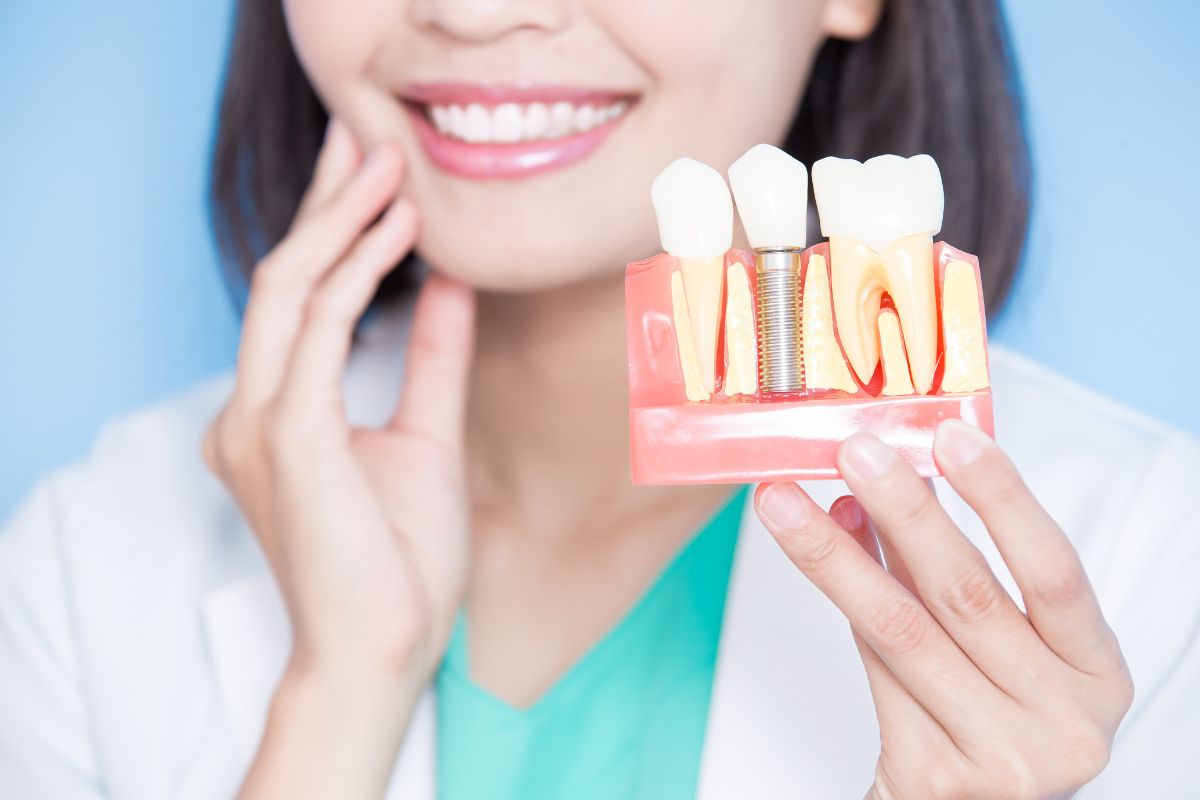
Dental implants sit in the jawbone and support replacement teeth. Although the implant itself does not develop cavities, the surrounding gum tissue can become inflamed or infected.
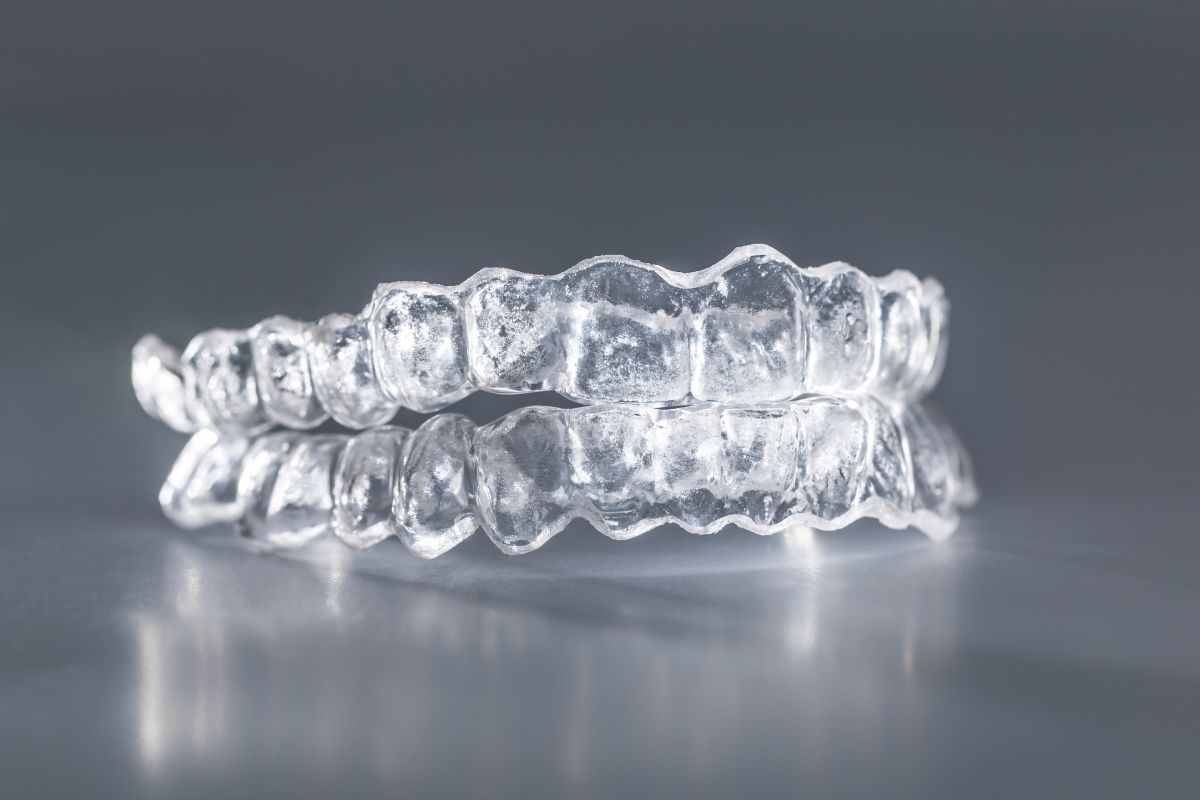
Several factors may contribute to swelling. The timing of the symptoms, your oral hygiene habits, and the condition of the implant all help your dentist determine the likely cause. If missing teeth or bite alignment also affect your oral health, your dentist can assess whether braces treatment may be relevant to your broader dental needs.
Common reasons include:
Plaque buildup: Bacteria around the implant can irritate the gums and trigger inflammation.
Peri-implant mucositis: This condition causes inflammation in the soft tissue around an implant without the bone loss associated with more advanced disease.
Peri-implantitis: This condition involves inflammation around the implant along with progressive loss of supporting bone.
Recent implant surgery: Swelling and tenderness can occur during normal healing after placement.
Food trapped near the implant: Debris around the crown or gumline can contribute to irritation.
A poorly fitting restoration: An implant crown that makes cleaning difficult or traps food may affect the surrounding tissues.
Mechanical irritation: Pressure from a bite problem or a loose component may contribute to discomfort.
Swelling alone cannot confirm which condition you have. Therefore, a dental examination is important when symptoms persist or worsen.
Signs That Swollen Implant Gums Need Attention
Changes around an implant may begin subtly. Recognizing them early can help you seek care before the problem becomes more serious.
Redness, tenderness, or bleeding
Healthy gums around an implant should not regularly bleed during gentle brushing or cleaning. If the tissue looks red, feels tender, or bleeds easily, inflammation may be present.
However, a small amount of tenderness immediately after surgery may be expected. Follow your dentist's aftercare instructions and contact the office if symptoms increase instead of improving.
Persistent swelling or a bad taste
Swelling that continues or returns may indicate irritation or infection. A bad taste, unpleasant odor, or discharge near the implant can provide additional clues.
Do not squeeze the swollen tissue or try to drain it yourself. Instead, arrange a dental examination to identify the cause.
Pain when chewing
An implant that becomes painful during chewing needs assessment. The discomfort may relate to gum inflammation, excessive bite pressure, a loose crown, or another problem.
In some cases, pain develops even when the implant previously felt comfortable. Because implants should not cause ongoing discomfort, do not ignore a new change.
Implant movement
An implant crown may loosen without the implant itself moving. However, movement of the implant body can indicate a serious problem with its stability.
Avoid testing the implant by repeatedly pushing or twisting it. Contact your dentist promptly if the crown or implant feels loose.
How a Queen Creek Dentist Can Evaluate Implant Swelling
A professional examination helps distinguish normal healing from inflammation, infection, or a mechanical problem. Your Queen Creek dentist at Affinity Dental can evaluate the condition of the gums, the implant restoration, and the surrounding tissues to identify the cause of swelling.
The dental team may ask when the swelling began, whether it hurts, and whether you have noticed bleeding or discharge. Information about your implant surgery and home cleaning routine can also help guide the evaluation.
The examination may include:
Checking the gum tissue: The dentist looks for redness, swelling, bleeding, and other signs of inflammation.
Examining the implant crown: The dentist checks for looseness, damage, and areas where food may collect.
Assessing the bite: Excessive pressure may contribute to discomfort or mechanical complications.
Measuring around the implant: Appropriate periodontal measurements can help assess the tissues around the implant.
Taking dental X-rays when needed: Images can help identify changes in the supporting bone and other underlying concerns.
The findings help determine whether the problem involves the soft tissue, supporting bone, implant restoration, or another area. This distinction matters because each condition requires a different approach.
Treatment Options for Swollen Gums Around a Dental Implant
Treatment depends on the cause and severity of the swelling. Your dentist will recommend an approach based on the examination rather than treating every case in the same way.
Professional cleaning for early inflammation
When plaque buildup causes inflammation without supporting bone loss, professional cleaning and improved home care may help control the problem.
Your dental team may clean the implant area using instruments suitable for implant surfaces. They can also review brushing and interdental cleaning techniques to help reduce plaque accumulation.
Follow-up visits may be necessary to confirm that the inflammation has improved. If swelling continues, further evaluation may be needed.
Treatment for peri-implantitis
Peri-implantitis involves inflammation and loss of supporting bone around an implant. It generally requires more involved treatment than routine cleaning.
Depending on the findings, care may include specialized cleaning, measures to control infection, or surgical treatment to access the affected area. The dentist or specialist will consider the amount of bone loss and the implant's condition when planning care.
Early assessment is important because progressive bone loss can threaten implant stability.
Adjusting a crown or bite problem
If a crown does not fit properly or creates excessive pressure during chewing, your dentist may recommend an adjustment or repair.
A loose crown may need to be secured or replaced, depending on the cause. However, the dentist must first determine whether the implant itself remains stable.
Do not try to tighten implant components at home. Doing so can damage the restoration or delay appropriate treatment.
Managing infection
If the examination suggests an infection, treatment will depend on its source and extent. Your dentist may recommend cleaning, drainage, or other procedures.
Antibiotics may be appropriate in selected cases, but they do not replace treatment of the underlying dental problem. Never use leftover antibiotics without professional guidance.
Considering implant removal
In severe cases, an implant may lose too much supporting bone or develop problems that prevent successful treatment. Removal may become necessary when the implant cannot be maintained.
This decision depends on several factors, including stability, bone support, infection, and overall oral health. Your dentist can discuss possible replacement options after the area heals if removal becomes necessary.
How to Care for Your Dental Implants at Home
Daily cleaning helps control plaque and supports the health of the gums around an implant. Although implants cannot develop tooth decay, the surrounding tissues still need consistent care.
Use these habits to support your oral health:
Brush twice daily: Use a soft-bristled toothbrush and clean gently around the implant crown and gumline.
Clean between your teeth: Use appropriate floss, interdental brushes, or other tools recommended by your dentist.
Follow your aftercare instructions: After implant surgery, use the cleaning methods and products your dental team recommends.
Avoid smoking: Tobacco use can interfere with healing and increase the risk of implant complications.
Attend regular dental visits: Professional examinations help identify inflammation and other changes around the implant.
Report changes promptly: Bleeding, persistent swelling, pain, or a loose crown deserves attention.
If you are unsure which cleaning tool suits your implant, ask your dental team to demonstrate the technique. The correct tool should clean effectively without injuring the surrounding tissue.
When Should You Seek Dental Care?
The timing of your symptoms can help determine how quickly you need an examination. Mild swelling immediately after surgery may form part of normal healing, but new or persistent swelling around an established implant should not be ignored.
Contact your dentist promptly if you notice:
Swelling that increases or does not improve.
Bleeding that occurs repeatedly around the implant.
Pus, discharge, or a persistent unpleasant taste.
Pain during chewing or when touching the area.
A crown that feels loose or an implant that appears to move.
Seek urgent care if swelling spreads into your face or neck, or if you develop a fever with worsening symptoms. Difficulty breathing or swallowing requires emergency medical attention.
Do not wait for severe pain to develop before seeking advice. Some implant-related problems progress even when discomfort remains mild.
Protect the Health of Your Dental Implant
Swollen gums around a dental implant can result from minor irritation, plaque-related inflammation, infection, or a more serious problem affecting the supporting bone. Because these conditions can look similar at first, a dental examination is the best way to identify the cause and choose appropriate treatment.
Affinity Dental serves patients in Queen Creek, Arizona, with dental care tailored to individual needs. Schedule your appointment to have swollen implant gums evaluated and discuss how to maintain healthy tissues around your restoration.
Ready to see us?
New patients are always welcome.
Request an AppointmentCall us (480) 882-2300