
If you’ve ever chipped a tooth or noticed a gap that bothers your smile, you might’ve searched for do it yourself dental bonding options online. DIY dental bonding may seem like a simple, low-cost way to fix small cosmetic flaws without visiting a dentist. But are they really safe—or are you putting your teeth at risk? Let’s dive into everything you need to know about it, its possible benefits, and the serious risks you might not expect.
What Is Dental Bonding?
Dental bonding is a cosmetic procedure where a dentist applies a tooth-colored resin to fix minor issues such as cracks, chips, or discoloration. It’s quick, affordable, and usually done in one visit.
Bonding can:
- Improve the shape and color of your teeth
- Fill gaps between teeth
- Restore chipped or cracked teeth
- Act as a cosmetic fix for minor alignment issues
But here’s the catch: this treatment is highly technique-sensitive and usually done by trained professionals.
Why People Try DIY Dental Bonding
People often turn to DIY dental bonding kits to save money and avoid the dentist. These kits are widely sold online and may include composite resin, adhesives, and application tools. They seem convenient, especially if you’re confident with at-home fixes.
Some reasons people try DIY dental bonding:
- To avoid dental costs
- For quick cosmetic fixes
- Because of fear or anxiety around dental visits
However, saving money now might cost you more in the long run.
The Hidden Risks You Should Know
Doing any kind of dental work at home can come with serious consequences. Do it yourself dental bonding often lacks the precision, safety, and durability of professional treatment.
Here are some risks to consider:
- Infection and decay: If resin is applied over bacteria or without proper tooth cleaning, it can trap harmful elements and cause infections.
- Gum damage: Misapplication can irritate or damage your gums.
- Weak bonding: Without proper tools and curing lights, the bond may not hold, leading to further damage.
- Uneven results: You may end up with a lumpy or unnatural-looking smile.
- Tooth sensitivity: Improper application can leave parts of the tooth exposed, causing pain or sensitivity.
Once, one of our patient think about do it yourself dental bonding after watching online videos, but he decided to visit our dental office, and save his tooth. Our team helped him to get the right results safely and without complications.
Why You Should Leave It to the Pros
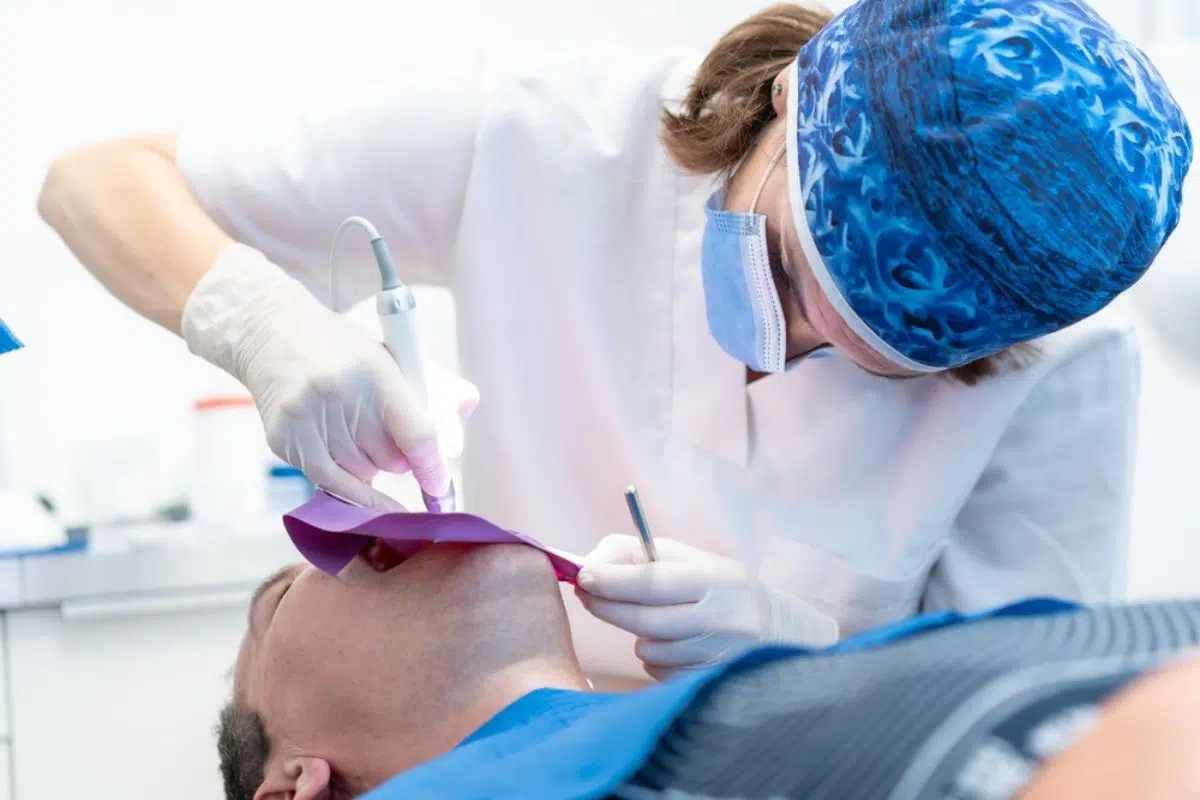
While DIY options may seem appealing, It is best done by a skilled dentist. Professionals have access to advanced tools and materials that aren’t available in at-home kits.
Benefits of professional bonding include:
- A long-lasting result
- A safer application process
- Natural-looking results
- Personalized care for your unique dental needs
In a dental office, your tooth is properly cleaned, prepped, and bonded using high-quality material—ensuring it looks and feels like your natural tooth.
Final Thoughts
In short, DIY dental bonding may look like a quick fix, but the risks far outweigh the rewards. Without the proper tools and training, you could end up damaging your teeth instead of improving them.
If you’re serious about improving your smile, it’s always better to trust professionals. Affinity Dental offers cosmetic solutions tailored to your needs, including bonding services that are safe, effective, and long-lasting.
Ready to improve your smile the right way? Don’t take chances, schedule an appointment with our dental experts to learn more about safe and professional options.
