Have you recently noticed a hole in your tooth and wondered if it could heal by itself? Many people believe that minor dental concerns will resolve without treatment, but when it comes to cavities and enamel damage, the reality is often different. Understanding what causes these openings and how they progress is essential to protecting your long-term oral health.
At Affinity Dental Queen Creek, Dr. Kelly B. Wettstein emphasizes early evaluation to help preserve natural teeth and prevent avoidable complications. In this blog, we’ll explore the myths and facts about whether a hole in your tooth can heal naturally and outline the most effective ways to keep your smile strong and healthy.
What Causes a Hole in My Tooth?
A hole in your tooth typically forms due to tooth decay. This process begins when bacteria in your mouth produce acids that attack the enamel—the strong outer protective layer of your teeth. Over time, the acid gradually weakens the enamel and creates cavities or openings, which should be evaluated promptly by an experienced dentist to prevent further damage.
Common causes of tooth decay include:
- Poor oral hygiene: Irregular brushing and flossing allows plaque to build up.
- Sugary and acidic foods: These contribute to enamel erosion and cavity formation.
- Dry mouth: Saliva helps wash away food particles and neutralize acids.
- Teeth grinding: Chronic grinding can weaken enamel, making it more prone to damage.
Myth: A Hole in My Tooth Will Heal on Its Own
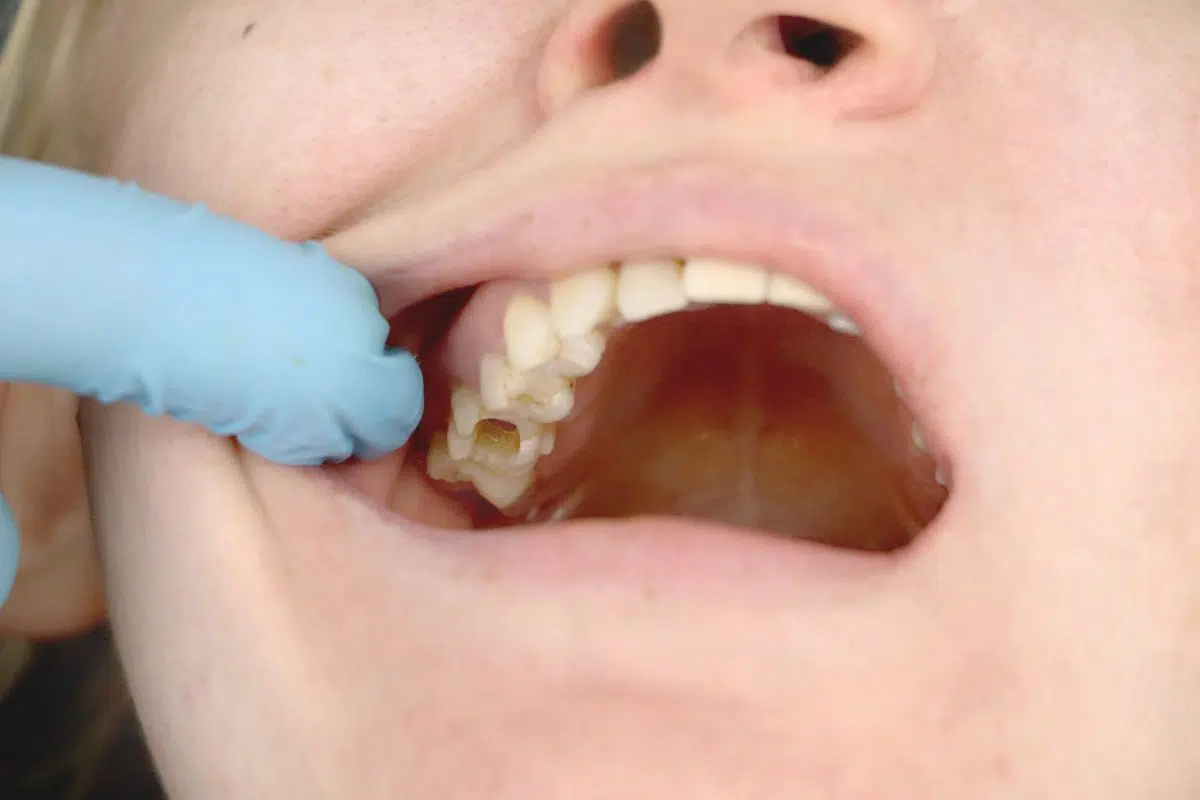
One common misconception is that a hole in your tooth can repair itself. Unfortunately, this is not true. Enamel, unlike other tissues in the body, does not regenerate. Once a cavity forms, it requires professional treatment to prevent it from worsening.
Fact: Early Cavities Can Be Stopped or Reversed
While a fully formed cavity cannot heal on its own, early-stage decay can sometimes be stopped or reversed with proper care. This process involves:
- Fluoride treatments: Fluoride strengthens enamel and helps repair early demineralization.
- Improved oral hygiene: Brushing twice daily and flossing can prevent cavities from worsening.
- Dietary changes: Reducing sugar intake can slow the progression of decay.
In severe cases, it’s essential to visit a dentist to assess the damage and recommend appropriate treatment.
Treatment Options for a Hole in My Tooth
If you already have a visible hole in your tooth, here are the common treatment options:
- Dental Fillings: A dentist removes decayed material and fills the cavity with a durable material.
- Dental Crowns: For extensive damage, crowns cover and protect the tooth.
- Root Canal Therapy: If the decay reaches the tooth’s pulp, a root canal may be needed to save it.
- Tooth Extraction: In severe cases, removal may be the only option, though dentists prioritize saving the tooth when possible.
Why You Shouldn’t Ignore a Hole in Your Tooth
Ignoring a hole in your tooth can lead to serious dental problems, including:
- Increased pain and sensitivity.
- Infection or abscess formation.
- The need for more invasive and costly treatments.
A visit to the dentist for timely intervention can save your tooth and prevent complications.
Frequently Asked Questions
1. What causes a hole in a tooth?
A hole in a tooth is usually caused by tooth decay. Bacteria in the mouth produce acids that wear down enamel, eventually creating a cavity. Poor oral hygiene, sugary foods, and dry mouth can increase the risk.
2. Can a hole in a tooth heal on its own?
No, a fully formed hole in a tooth cannot heal naturally. Tooth enamel does not regenerate once it is lost. Professional dental treatment is required to repair the damage.
3. Is a hole in a tooth always a cavity?
Most of the time, a hole in a tooth is a cavity caused by decay. However, it can also result from enamel erosion, teeth grinding, or physical damage. A dental exam is needed to determine the exact cause.
4. Does a hole in a tooth always cause pain?
Not always. Early cavities may not cause any discomfort, which is why they often go unnoticed. Pain typically develops when decay reaches deeper layers of the tooth.
5. How fast can a hole in a tooth get bigger?
The speed depends on factors like diet, oral hygiene, and saliva flow. In some cases, cavities can worsen within months if left untreated. Regular dental visits help catch problems early.
6. What happens if I ignore a hole in my tooth?
Ignoring a cavity allows it to grow deeper into the tooth. This can lead to infection, severe pain, and the need for more complex treatments like a root canal or extraction.
7. Can a small hole in a tooth be reversed?
Once a physical hole forms, it cannot be reversed naturally. However, very early decay (before a hole forms) may be stopped with fluoride treatments and improved oral care.
8. How is a hole in a tooth treated?
Treatment depends on the severity of the decay. Options may include a dental filling, crown, or root canal therapy if the pulp is affected. The goal is always to preserve as much natural tooth structure as possible.
9. When should I see a dentist for a hole in my tooth?
You should visit the dentist as soon as you notice a visible hole, sensitivity, or discomfort. Early treatment is typically simpler, less invasive, and more affordable.
10. Can a hole in a tooth lead to infection?
Yes, if decay reaches the inner pulp of the tooth, it can cause a bacterial infection. This may result in swelling, abscess formation, and significant pain, requiring urgent dental care.
While early-stage decay can sometimes be halted with proper care, a visible hole in your tooth requires professional treatment. Ignoring the problem may result in serious complications and expensive procedures. If you’re in Queen Creek, turn to Affinity Dental Queen Creek for attentive, customized care. Schedule an appointment or visit our dental office today to safeguard your smile and regain lasting comfort.