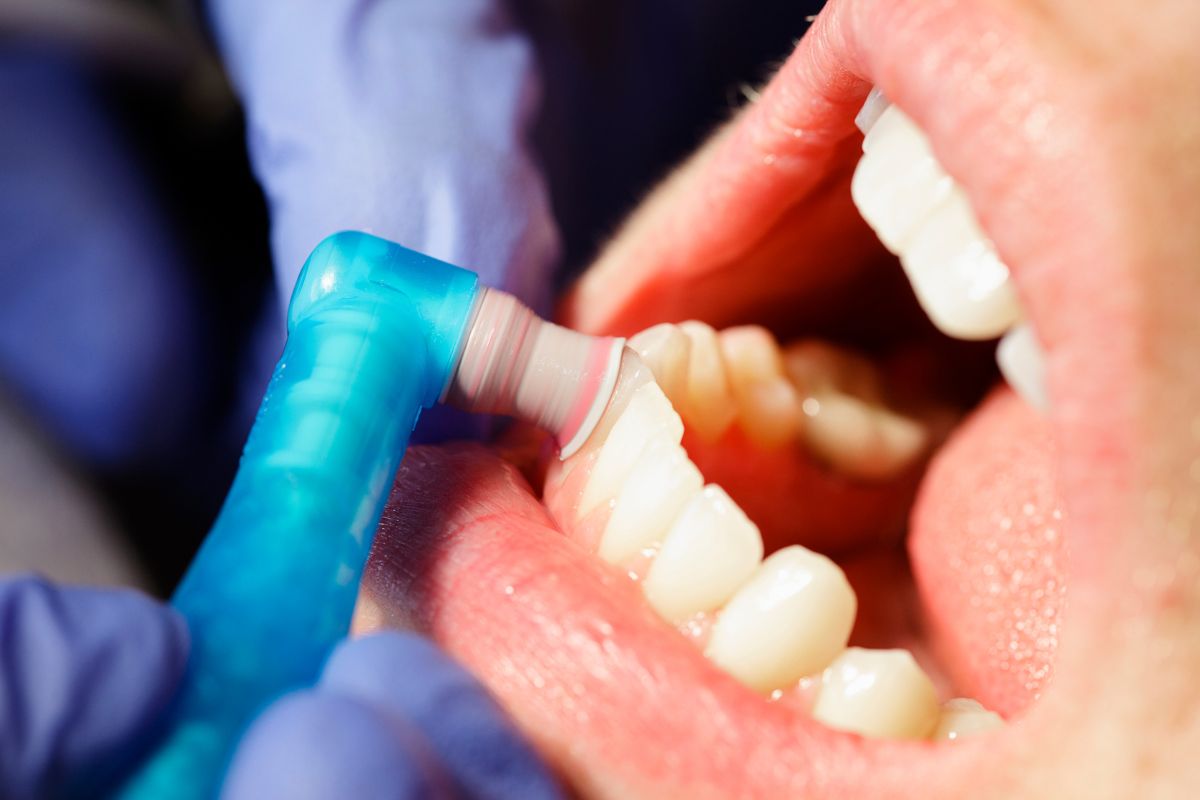

Good dental health is often treated as secondary to overall wellness, but this couldn’t be further from the truth. Your mouth is a powerful indicator of what’s happening in the rest of your body, offering early clues about potential health concerns. Understanding this connection is essential for maintaining a balanced, healthy lifestyle. Let’s explore why dental health matters and how it directly influences your overall well-being.
The Interconnectedness of Dental and Overall Health
1. The Oral–Systemic Link
Your mouth is known as the “gateway to the body” for a reason. Systemic conditions—including diabetes, cardiovascular issues, and even certain cancers—can reveal early warning signs through symptoms in the oral cavity. Routine dental check-ups aren’t just about your teeth—they help detect serious health problems early.
2. Inflammation and Infection
Chronic gum inflammation (periodontal disease) can affect much more than just your smile. When harmful bacteria enter your bloodstream, they can contribute to inflammation in the heart, joints, and other areas of your body. That’s why getting the right care matters. At Affinity Dental Queen Creek, you have a dentist for all your dental needs who truly understands your health concerns and is here to help protect your overall well-being.
Key Connections Between Dental Health & Systemic Health
1. Cardiovascular Health
Gum disease is closely linked to heart disease. When bacteria from infected gums enter the bloodstream, they may contribute to arterial plaque buildup, increasing the risk of atherosclerosis, heart attacks, and strokes. Good oral hygiene and routine dental visits play a vital role in protecting your heart.
2. Diabetes Management
Diabetes and dental health affect each other in a two-way relationship. High blood sugar increases the risk of gum disease, and untreated gum infections, in turn, make it harder to control blood sugar. Regular dental care supports better diabetes management and improves overall health outcomes.
3. Respiratory Infections
Poor oral hygiene allows harmful bacteria to accumulate in the mouth. These can be inhaled into the lungs and lead to respiratory issues like pneumonia—especially in older adults or individuals with weakened immune systems. Consistent oral care helps reduce this risk.
How to Maintain Good Dental Health
1. Daily Oral Hygiene
Effective oral care starts at home. Brush twice daily with fluoride toothpaste, floss once a day, and consider using an antiseptic mouthwash. Replace your toothbrush every three to four months, or sooner if the bristles wear out.
2. A Healthy, Balanced Diet
Your diet plays a major role in your oral health. Opt for fruits, vegetables, lean proteins, and whole grains. Limit sugary foods and beverages, which contribute to cavities. Drink plenty of water to rinse away food debris and maintain saliva flow.
3. Avoid Harmful Habits
Smoking and excessive drinking can severely harm your oral and overall health. Smoking increases the risk of gum disease and oral cancer, while alcohol can dry the mouth and promote infections. Quitting these habits dramatically improves dental wellness.
The Bigger Picture: Why Dental Health Matters
Dental health is more than maintaining a bright smile—it is a key component of total body wellness. By taking care of your mouth, you can prevent serious health problems, detect early signs of systemic diseases, and enjoy a better quality of life. A healthy smile doesn’t just look good—it reflects a healthy you.
Whether you’re scheduling your next dental appointment or adopting healthier oral habits, every step you take contributes to long-term, whole-body wellness. Never underestimate the importance of a healthy mouth—it plays a powerful role in your overall health journey.