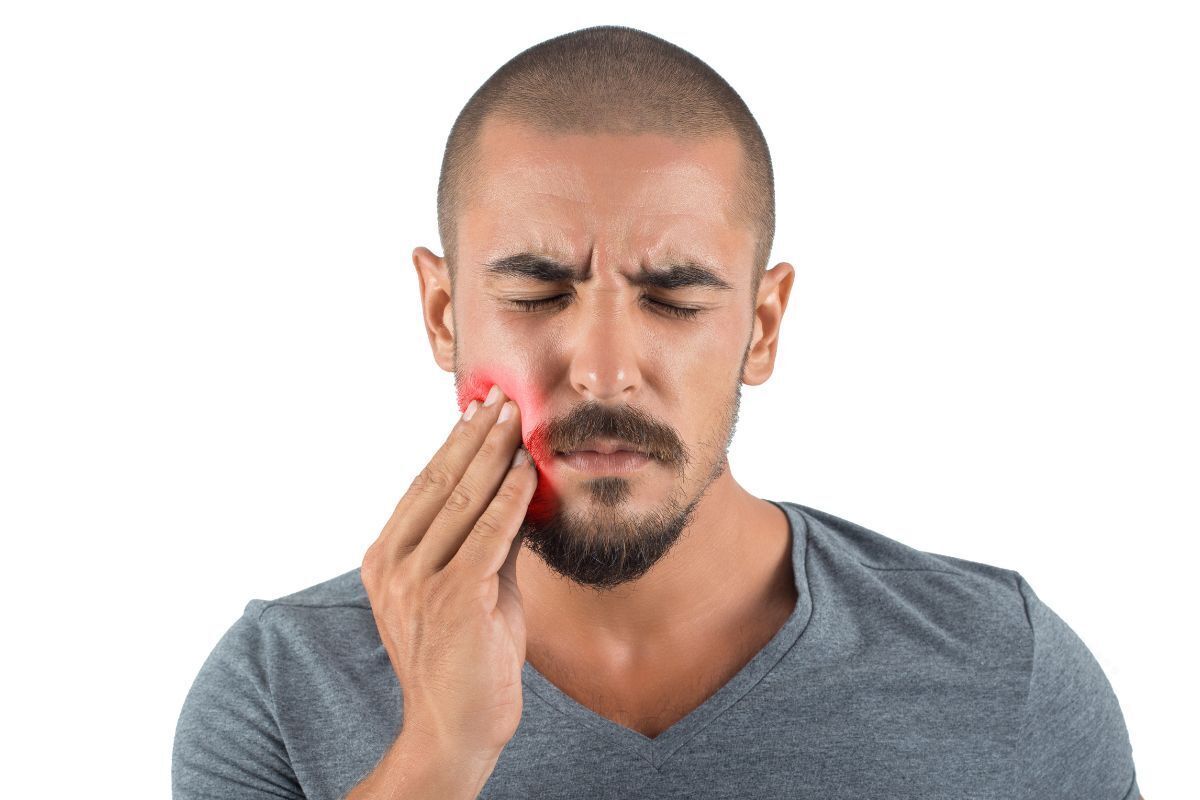

Dental emergencies can strike at any moment, causing excruciating pain and discomfort. Whether it’s a sudden toothache, a broken tooth, or an abscess, these urgent dental issues can leave you desperate for relief. In such situations, seeking prompt care from an emergency dentist is crucial to alleviate pain and prevent further complications.
Understanding Dental Emergencies
Dental emergencies encompass a range of conditions that require immediate attention to alleviate pain and preserve oral health. These emergencies can arise from various causes, including trauma, infection, or sudden onset of symptoms. Common dental emergencies include:
1. Severe Toothache: Intense and persistent tooth pain often indicates an underlying issue such as tooth decay, infection, or a dental abscess.
2. Broken or Cracked Tooth: Trauma or biting down on a hard object can result in a broken or cracked tooth, causing sharp pain and sensitivity.
3. Knocked-Out Tooth: Accidents or injuries can lead to a tooth being knocked out of its socket. Prompt action is essential to increase the chances of saving the tooth.
4. Lost Dental Filling or Crown: A lost filling or crown can expose the underlying tooth structure, leading to sensitivity and discomfort.
5. Dental Abscess: An abscess is a pus-filled swelling that develops around the tooth root due to bacterial infection. It can cause severe pain, swelling, and fever if left untreated.
Treatment Options for Dental Emergencies
Emergency dentists are equipped to address a wide range of urgent dental problems promptly. Depending on the nature of the emergency, treatment options may include:
1. Pain Management: Immediate pain relief is often the priority in dental emergencies. Emergency dentists may administer local anesthesia or prescribe pain medications to alleviate discomfort.
2. Dental Restoration: For broken or cracked teeth, emergency dentists can provide temporary or permanent dental restorations such as fillings, crowns, or dental bonding to restore the tooth’s structure and function.
3. Tooth Replacement: In cases of a knocked-out tooth, emergency dentists may attempt to re-implant the tooth if possible. If re-implantation is not feasible, they can discuss tooth replacement options such as dental implants, bridges, or dentures.
4. Root Canal Therapy: Dental abscesses often require root canal therapy to remove the infected pulp and prevent further spread of infection. Emergency dentists can perform root canal treatment to alleviate pain and save the affected tooth.
5. Antibiotic Therapy: In cases of severe infection or abscess, emergency dentists may prescribe antibiotics to control the spread of bacteria and prevent complications.
Preventive Measures for Dental Emergencies
While dental emergencies can occur unexpectedly, certain preventive measures can help reduce the risk of urgent dental problems:
1. Maintain Oral Hygiene: Brushing twice a day, flossing daily, and regular dental check-ups can help prevent tooth decay and gum disease, reducing the likelihood of dental emergencies.
2. Use Protective Gear: If you participate in contact sports or activities with a risk of dental trauma, wearing a mouthguard can protect your teeth from injuries.
3. Avoid Chewing Hard Objects: Refrain from biting down on hard objects such as ice, popcorn kernels, or pens, as this can lead to cracked or broken teeth.
4. Address Dental Issues Promptly: If you experience dental pain or notice any abnormalities in your oral health, don’t ignore them. Seek timely evaluation and treatment from a dentist to prevent minor issues from escalating into emergencies.
Dental emergencies can cause immense pain and distress, but prompt intervention from an emergency dentist can provide fast-acting relief and prevent further complications. Residents of Queen Creek can rely on the expertise of emergency dentists to address urgent dental problems with compassion and efficiency. By understanding the importance of seeking immediate care and adopting preventive measures, individuals can safeguard their oral health and minimize the risk of dental emergencies.