
Many people do not realize that everyday habits can slowly damage their teeth. In fact, several daily behaviors cause tooth enamel erosion, which weakens the protective outer layer of your teeth over time. When enamel becomes thin or damaged, your teeth may feel sensitive and become more vulnerable to cavities.
Tooth enamel acts as a shield that protects the inner parts of your teeth from acids, bacteria, and temperature changes. However, once enamel wears away, your body cannot rebuild it naturally. Because of this, prevention becomes extremely important.
Patients often discuss these concerns during routine visits at Affinity Dental Queen Creek, a dental practice in Queen Creek led by Dr. Kelly B. Wettstein. Many people in the community want to understand how their daily routines affect their smiles and what they can do to protect their teeth for the long term.
In this article, we will explore the main habits that damage enamel, the early warning signs, and practical steps you can take to keep your teeth strong and healthy.
Understanding Tooth Enamel and Why It Matters
Tooth enamel forms the outer layer of every tooth. Although it is the hardest substance in the human body, it still faces constant exposure to acids from food, drinks, and bacteria.
When acids attack the tooth surface, they slowly wear away this protective layer. As a result, the underlying dentin becomes exposed. This exposure often leads to discomfort and visible tooth damage.
Important Functions of Enamel
Enamel supports oral health in several ways:
- Protects teeth from acid attacks
- Shields sensitive inner tooth layers
- Helps teeth handle chewing pressure
- Maintains the natural appearance of teeth
Without proper care, tooth enamel erosion may develop gradually and affect both dental comfort and appearance.
Early Signs of Enamel Damage
Many people ignore the early warning signs because enamel damage often develops slowly. However, recognizing these symptoms early can help prevent more serious dental issues.
Common Warning Signs
- Increased tooth sensitivity to hot or cold foods
- Yellowing of the teeth due to exposed dentin
- Small chips or cracks in the teeth
- Smooth or shiny areas on tooth surfaces
- Rough edges along the teeth
If you notice any of these symptoms, a dental evaluation can help identify the underlying cause.
Acidic Foods and Drinks
One of the most common habits that damage teeth involves frequent exposure to acidic foods and beverages.
Acid softens enamel and slowly breaks down its structure. While occasional consumption does not usually cause serious harm, repeated exposure can gradually weaken the tooth surface.
Common Acidic Foods and Drinks
- Soda and carbonated beverages
- Citrus fruits such as lemons and oranges
- Sports and energy drinks
- Vinegar-based foods
- Fruit juices
Because these items often appear in daily diets, they frequently cause tooth enamel erosion when consumed too often.
Simple Ways to Reduce Acid Damage
- Drink water after consuming acidic foods
- Use a straw for acidic beverages
- Avoid sipping acidic drinks throughout the day
- Wait about 30 minutes before brushing after acidic foods
These habits help protect the enamel from unnecessary wear.
Frequent Snacking Throughout the Day
Snacking may seem harmless, but constant eating can expose teeth to repeated acid attacks.
Every time you eat, bacteria in the mouth produce acids that weaken enamel. When snacking occurs frequently, the mouth has less time to recover between meals.
How Frequent Snacking Affects Teeth
- Bacteria produce acids after each meal
- Saliva needs time to neutralize acids
- Continuous eating keeps the mouth acidic
Therefore, repeated snacking often causes tooth enamel erosion when oral hygiene habits remain inconsistent.
Healthier Eating Habits
- Stick to regular meal times
- Limit sugary snacks
- Choose tooth-friendly foods like cheese or nuts
These small changes can significantly reduce enamel damage.
Aggressive Tooth Brushing
Many people believe that brushing harder will clean teeth better. In reality, aggressive brushing can wear down enamel and irritate gum tissue.
Using excessive force or a hard-bristled toothbrush may slowly damage the tooth surface.
Signs of Overbrushing
- Gum recession
- Tooth sensitivity
- Worn or flattened tooth edges
- Visible grooves near the gumline
To protect enamel, dentists recommend gentle brushing techniques.
Better Brushing Practices
- Use a soft-bristled toothbrush
- Brush in gentle circular motions
- Brush for two minutes twice daily
- Replace your toothbrush every three months
Following these steps supports healthier teeth without damaging enamel.
Right after discussing common brushing habits, many patients ask about prevention strategies. During routine checkups, our experienced Queen Creek dentist often explains how daily habits cause tooth enamel erosion and provides personalized guidance to help patients protect their smiles.
Dry Mouth and Reduced Saliva
Saliva plays a major role in maintaining oral health. It neutralizes acids and helps wash away harmful bacteria.
When saliva levels drop, enamel remains exposed to acids for longer periods.
Causes of Dry Mouth
- Dehydration
- Certain medications
- Mouth breathing
- Medical conditions
Since saliva protects teeth naturally, low saliva levels often increase the risk of tooth enamel erosion.
Tips to Improve Saliva Production
- Drink water frequently
- Chew sugar-free gum
- Avoid tobacco products
- Limit alcohol consumption
These simple habits can help maintain a balanced oral environment.
Teeth Grinding and Clenching
Another habit that damages enamel involves grinding or clenching the teeth, often during sleep.
Grinding places strong pressure on teeth and gradually wears down the enamel surface.
Common Signs of Grinding
- Jaw soreness
- Headaches in the morning
- Flattened tooth surfaces
- Cracked teeth
A dentist may recommend a custom night guard to protect teeth from grinding damage.
Why Regular Dental Checkups Matter
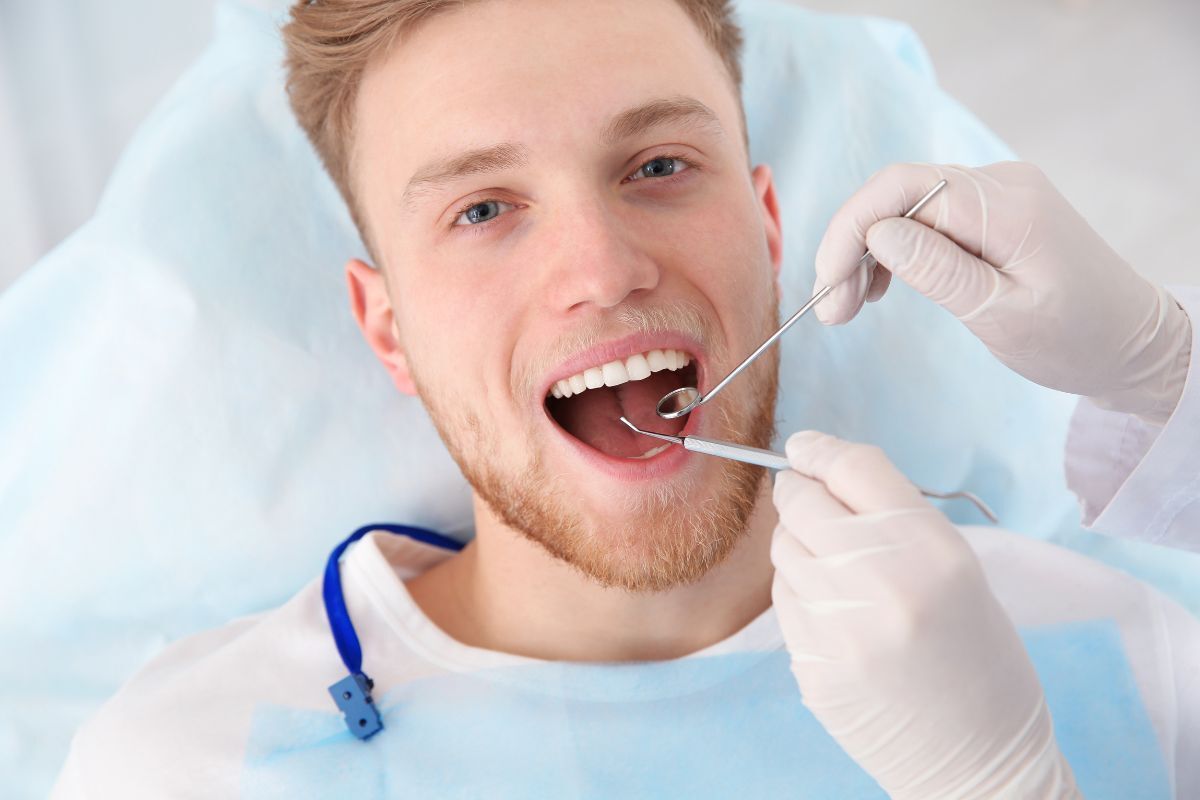
Preventive dental visits help detect early enamel damage before serious complications develop.
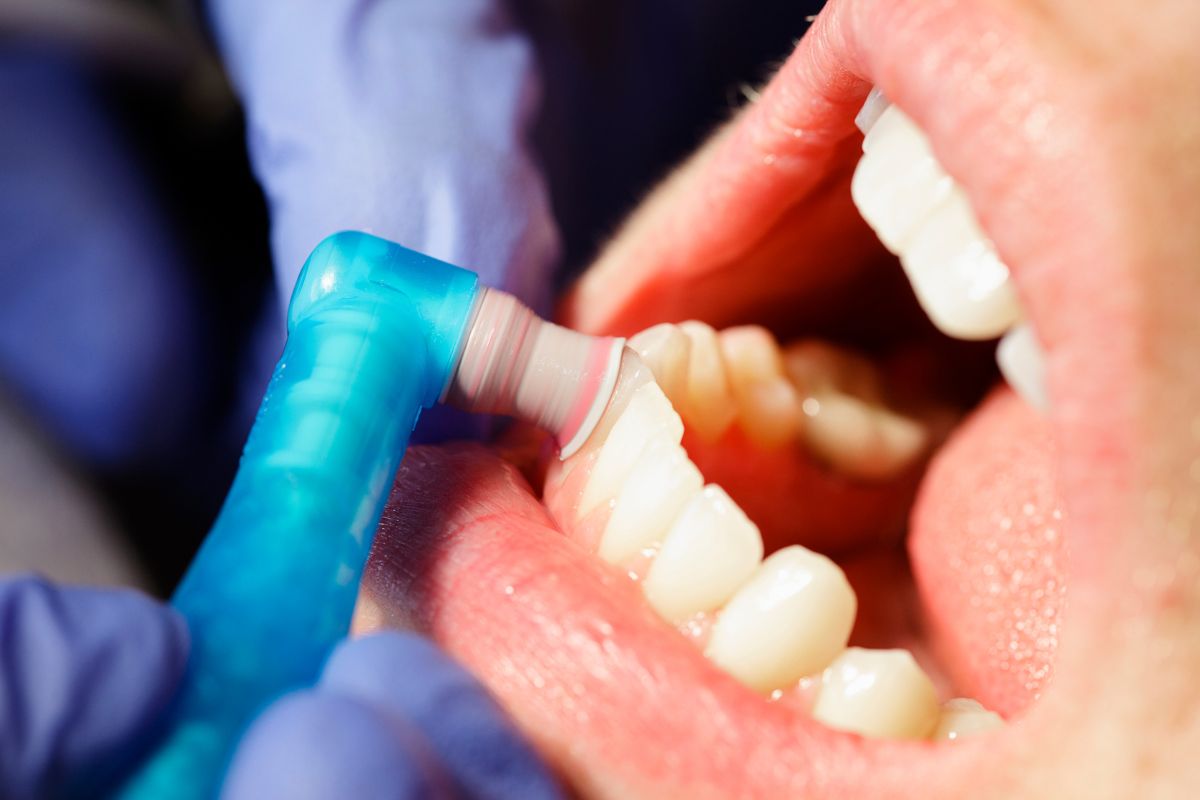
During routine checkups, dentists evaluate tooth structure and recommend preventive care when needed.
Benefits of Routine Dental Visits
- Early detection of enamel wear
- Professional cleaning to remove plaque
- Personalized advice for oral hygiene
- Preventive treatments such as fluoride
These visits help protect enamel and maintain long-term oral health.
Healthy enamel plays a vital role in protecting your teeth. However, many everyday habits can slowly weaken this protective layer. Acidic foods, frequent snacking, aggressive brushing, dry mouth, and teeth grinding are some of the most common factors that cause tooth enamel erosion.
Fortunately, small lifestyle changes can make a big difference. Drinking more water, practicing gentle brushing, limiting acidic foods, and maintaining regular dental visits can help preserve enamel for years to come.
If you want personalized advice on protecting your smile, the team at Affinity Dental Queen Creek, led by Dr. Kelly B. Wettstein, is here to help. To learn more about preventive care and treatment options, visit our dental office in Queen Creek and schedule an appointment for professional dental guidance.