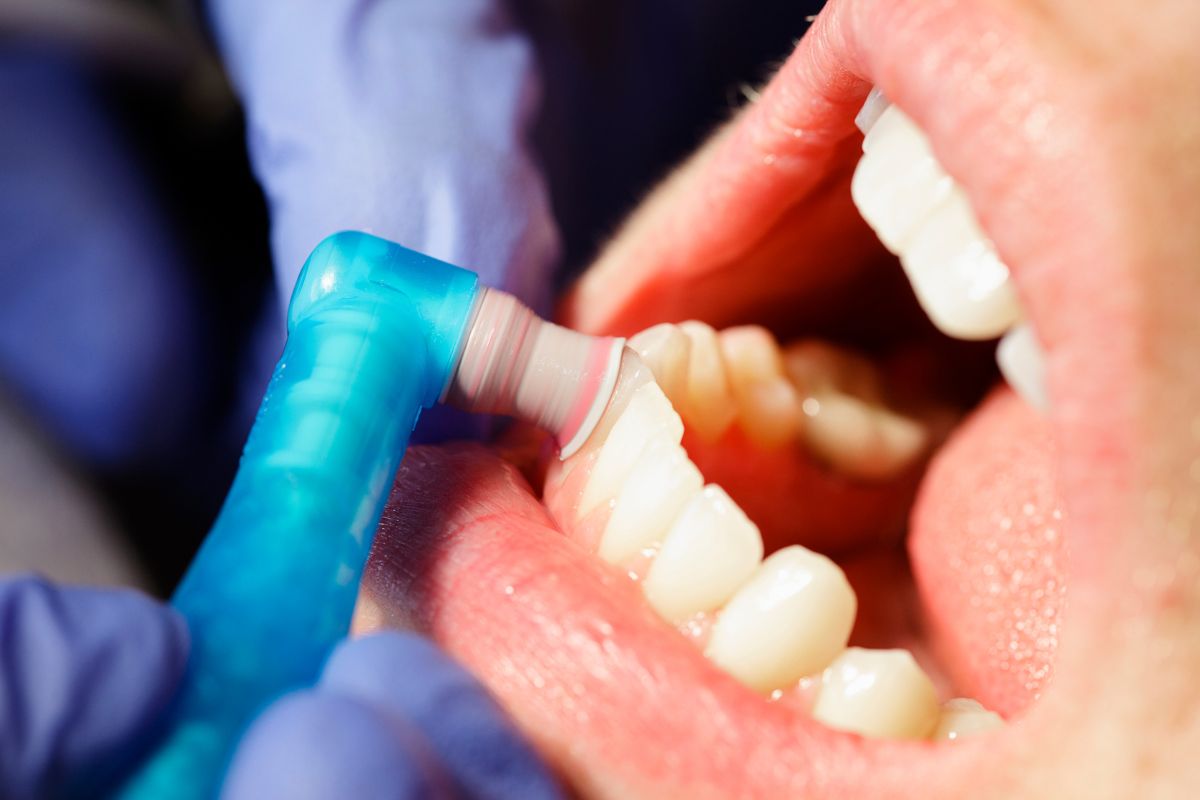

Tooth sensitivity is a common dental issue that affects millions of people worldwide. It can cause discomfort and pain, making it difficult to enjoy everyday activities like eating, drinking, and even brushing your teeth. Understanding the causes of tooth sensitivity can help you take the necessary steps to prevent and manage this condition. In this blog, we will explore the various factors that contribute to tooth sensitivity and discuss the importance of dental care, oral hygiene, and overall health.
What is Tooth Sensitivity?
Tooth sensitivity, or dentin hypersensitivity, occurs when protective enamel wears down or the gums recede, exposing the dentin underneath. Since dentin contains microscopic tubules linked to nerve endings, exposure leads to sharp, temporary pain. Our Queen Creek Dentist at Affinity Dental Queen Creek can evaluate your symptoms and provide personalized treatment options.
Common Causes of Tooth Sensitivity
1. Enamel Erosion
Enamel is the hard, protective outer layer of your teeth. Over time, it can wear down due to various factors such as acidic foods, aging, and plaque buildup, raising concerns about enamel regrowth and effective ways to maintain strong teeth.
Acidic Foods and Drinks: Consuming a diet high in acidic foods and beverages, like citrus fruits, soda, and wine, can erode enamel.
Brushing Too Hard: Using a hard-bristled toothbrush or brushing your teeth too aggressively can wear away the enamel.
Teeth Grinding (Bruxism): Grinding or clenching your teeth, often during sleep, can gradually erode enamel.
2. Gum Recession
Gum recession occurs when the gum tissue pulls away from the teeth, exposing the roots. This can be caused by:
Periodontal Disease: Gum disease is a major cause of gum recession. Poor oral hygiene can lead to plaque buildup, causing inflammation and infection of the gums.
Aggressive Brushing: Similar to enamel erosion, brushing too hard can also damage the gums, leading to recession.
Aging: As you age, your gums naturally recede, increasing the risk of tooth sensitivity.
3. Tooth Decay and Cavities
Tooth decay and cavities can expose the dentin, leading to sensitivity. Poor dental care and hygiene practices, such as not brushing or flossing regularly, can result in plaque buildup and cavities.
4. Dental Procedures
Some dental treatments and procedures can cause temporary sensitivity, including:
Teeth Whitening: Whitening products can cause sensitivity by penetrating the enamel and irritating the dentin.
Fillings and Restorations: Dental work like fillings, crowns, and root canals can sometimes result in temporary sensitivity as the teeth heal.
5. Cracked or Damaged Teeth
Cracks or fractures in your teeth can expose the dentin, leading to sensitivity. This can be caused by:
Injury: Accidents or trauma to the mouth can crack or damage teeth.
Biting Hard Objects: Chewing on hard objects like ice or pens can cause teeth to crack.
6. Acid Reflux
Gastroesophageal reflux disease (GERD) or acid reflux can cause stomach acids to reach the mouth, eroding enamel and leading to sensitivity.
Preventing and Managing Tooth Sensitivity
1. Maintain Good Oral Hygiene
Good oral hygiene is crucial for preventing tooth sensitivity. Make sure to:
Brush Twice Daily: Use a soft-bristled toothbrush and fluoride toothpaste to gently brush your teeth twice a day.
Floss Daily: Flossing helps remove plaque and food particles from between your teeth and along the gumline.
Use Mouthwash: An antibacterial mouthwash can help reduce plaque and promote oral health.
2. Be Mindful of Your Diet
Your diet plays a significant role in oral health. To protect your enamel:
Limit Acidic Foods and Drinks: Reduce your intake of acidic foods and beverages, and rinse your mouth with water after consuming them.
Eat a Balanced Diet: A diet rich in vitamins and minerals, particularly calcium and vitamin D, can strengthen your teeth and gums.
3. Avoid Teeth Grinding
If you grind your teeth, especially at night, consider using a mouthguard to protect your enamel. Consult your dentist for a custom-fitted mouthguard.
4. Use Desensitizing Toothpaste
Desensitizing toothpaste contains compounds that help block the transmission of sensation from the tooth surface to the nerve. Regular use can reduce sensitivity over time.
5. Regular Dental Checkups
Regular visits to your dentist are essential for maintaining oral health. During checkups, your dentist can:
Detect Early Signs of Problems: Identify and treat issues like cavities, gum disease, and enamel erosion before they worsen.
Provide Professional Cleaning: Professional cleanings can remove plaque and tartar buildup that regular brushing and flossing might miss.
Tooth sensitivity can be a painful and frustrating condition, but understanding its causes and taking proactive steps can help you manage and prevent it. Staying consistent with good oral hygiene and routine checkups can make a big difference. For expert evaluation and treatment options, book your visit with Affinity Dental Queen Creek — your trusted partner for long-lasting comfort and oral health.