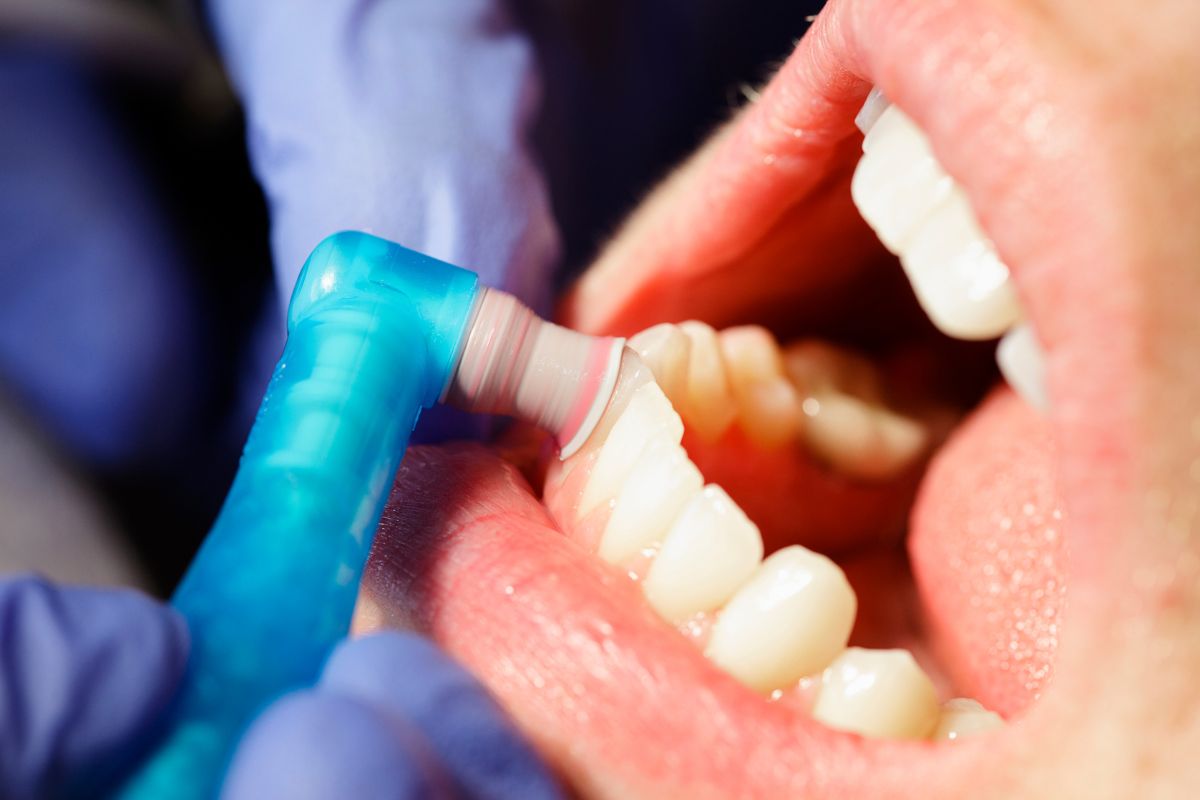
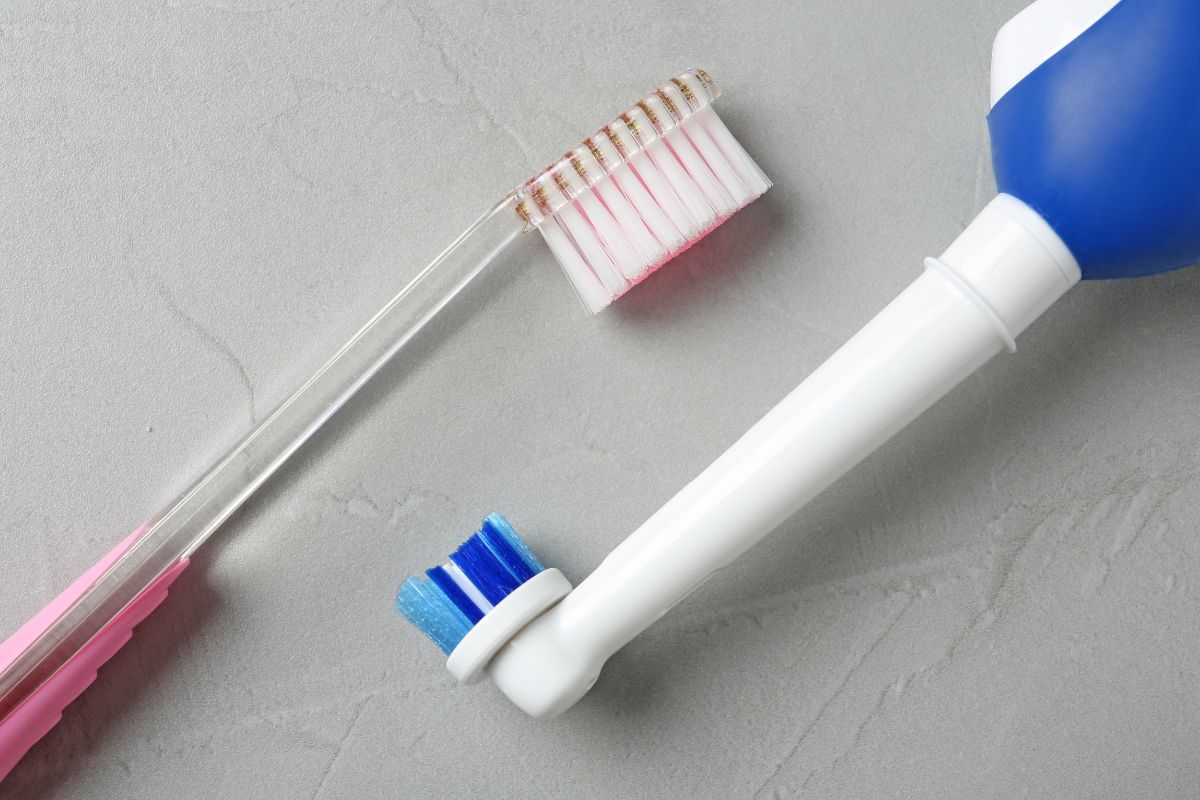
Electric vs. manual toothbrush is a common comparison for anyone looking to improve their oral health. Both options can keep your teeth clean, but the right choice depends on your brushing habits and dental needs. At Affinity Dental Queen Creek, Dr. Kelly B. Wettstein helps patients understand that a healthy smile comes from using the right technique along with regular preventive care. Before choosing your next toothbrush, it helps to understand how each type works and what benefits it offers.
Many people assume that an expensive toothbrush automatically provides better results. However, brushing twice a day, flossing daily, and visiting your dentist regularly are just as important. By comparing both types, you can choose the one that fits your lifestyle and supports long-term oral health.
Why Your Toothbrush Choice Matters
Your toothbrush removes plaque, food particles, and bacteria before they cause cavities or gum disease. When plaque remains on your teeth, it can harden into tartar, making it more difficult to maintain good oral health.
A quality toothbrush helps you:
- Remove plaque effectively
- Keep your gums healthy
- Reduce the risk of cavities
- Freshen your breath
- Protect tooth enamel
Choosing the right toothbrush can make daily brushing easier and more effective.
How Plaque Removal Affects Your Smile
Plaque is a sticky layer of bacteria that forms on your teeth every day. If you do not remove it regularly, it can lead to tooth decay, gum inflammation, and bad breath. Whether you choose a manual or powered toothbrush, brushing for two full minutes with proper technique is the key to keeping plaque under control.
Electric vs. Manual Toothbrush: Understanding the Differences
A trusted Queen Creek dentist can help you decide whether an electric vs. manual toothbrush is the better option for your smile. At Affinity Dental Queen Creek, Dr. Kelly B. Wettstein recommends selecting a toothbrush that matches your oral health needs and encourages consistent brushing every day.
Manual Toothbrush
A manual toothbrush relies on your hand movements to clean your teeth. It remains one of the most popular choices because it is simple, affordable, and easy to carry.
Benefits include:
- Lower cost
- Easy to replace
- Available in many sizes
- No charging required
- Convenient for travel
To achieve the best results, use a soft-bristled toothbrush and brush gently along the gumline.
Electric Toothbrush
An electric toothbrush uses a motor to move the brush head rapidly. Many models include helpful features that improve brushing habits.
Common features include:
- Built-in two-minute timer
- Pressure sensor
- Rechargeable battery
- Multiple cleaning modes
- Small brush head for better access
These features can make brushing easier, especially for people who struggle with proper technique.
Which Cleans Better?
Many studies suggest that an electric toothbrush removes slightly more plaque than a manual toothbrush. However, that advantage becomes meaningful only when you brush consistently and correctly.
Plaque Removal
Electric toothbrushes create thousands of brush movements every minute, allowing them to clean around teeth more efficiently. They can also reach difficult areas with less effort.
A manual toothbrush can provide excellent cleaning when you:
- Brush twice each day
- Spend at least two minutes brushing
- Reach every tooth surface
- Replace the toothbrush every three to four months
In many cases, brushing habits matter more than the toothbrush itself.
Gum Health
Healthy gums depend on gentle brushing. Many people apply too much pressure when using a manual toothbrush, which may lead to gum irritation or enamel wear.
Many electric toothbrushes include pressure sensors that alert you when you brush too hard. This feature encourages healthier brushing habits and helps protect gum tissue over time.
Ease of Use
Electric toothbrushes require less hand movement, making them a great option for:
- Children
- Older adults
- People with braces
- Individuals with arthritis or limited hand mobility
Manual toothbrushes work just as well for people who already have good brushing technique and enjoy complete control over their brushing routine.
How to Choose the Right Toothbrush
There is no single toothbrush that works best for everyone. Instead, choose one that helps you brush comfortably and consistently every day.
Choose a Manual Toothbrush If You:
- Prefer a budget-friendly option
- Travel often
- Have good brushing technique
- Want a simple daily routine
Choose an Electric Toothbrush If You:
- Need help improving plaque removal
- Wear braces or other orthodontic appliances
- Tend to brush too hard
- Want features like timers and pressure sensors
- Have limited hand movement
If you remain unsure, ask your dentist for a personalized recommendation during your next dental visit.
Tips for Better Brushing Results
Good oral hygiene depends on daily habits more than the type of toothbrush you own.
Build a Healthy Routine
For the best results:
- Brush twice each day using fluoride toothpaste.
- Brush for at least two minutes.
- Floss once every day.
- Replace your toothbrush or brush head every three to four months.
- Limit sugary snacks and drinks.
- Schedule routine dental checkups and professional cleanings.
Following these habits consistently helps protect your teeth and gums for years to come.
Frequently Asked Questions
Is an electric toothbrush better than a manual toothbrush?
Many studies suggest that electric toothbrushes remove slightly more plaque, especially when used correctly. However, both options can provide excellent cleaning when paired with proper brushing techniques.
Can children use electric toothbrushes?
Yes. Many electric toothbrushes are designed specifically for children. They often include smaller brush heads and built-in timers that encourage better brushing habits.
Do electric toothbrushes damage teeth?
No. When used correctly, electric toothbrushes are safe. Many models even include pressure sensors that help prevent brushing too hard.
How often should I replace my toothbrush?
Replace a manual toothbrush or an electric toothbrush head every three to four months. Replace it sooner if the bristles become frayed.
The electric vs. manual toothbrush comparison does not have a one-size-fits-all answer. Both options can clean your teeth effectively when you use them correctly and maintain a consistent oral hygiene routine. The best toothbrush is the one that encourages you to brush thoroughly every day while supporting your unique dental needs. If you would like personalized guidance on choosing the right toothbrush or improving your oral health routine, schedule your appointment with Dr. Kelly B. Wettstein at Affinity Dental Queen Creek in Queen Creek today to learn more about our preventive dental services.