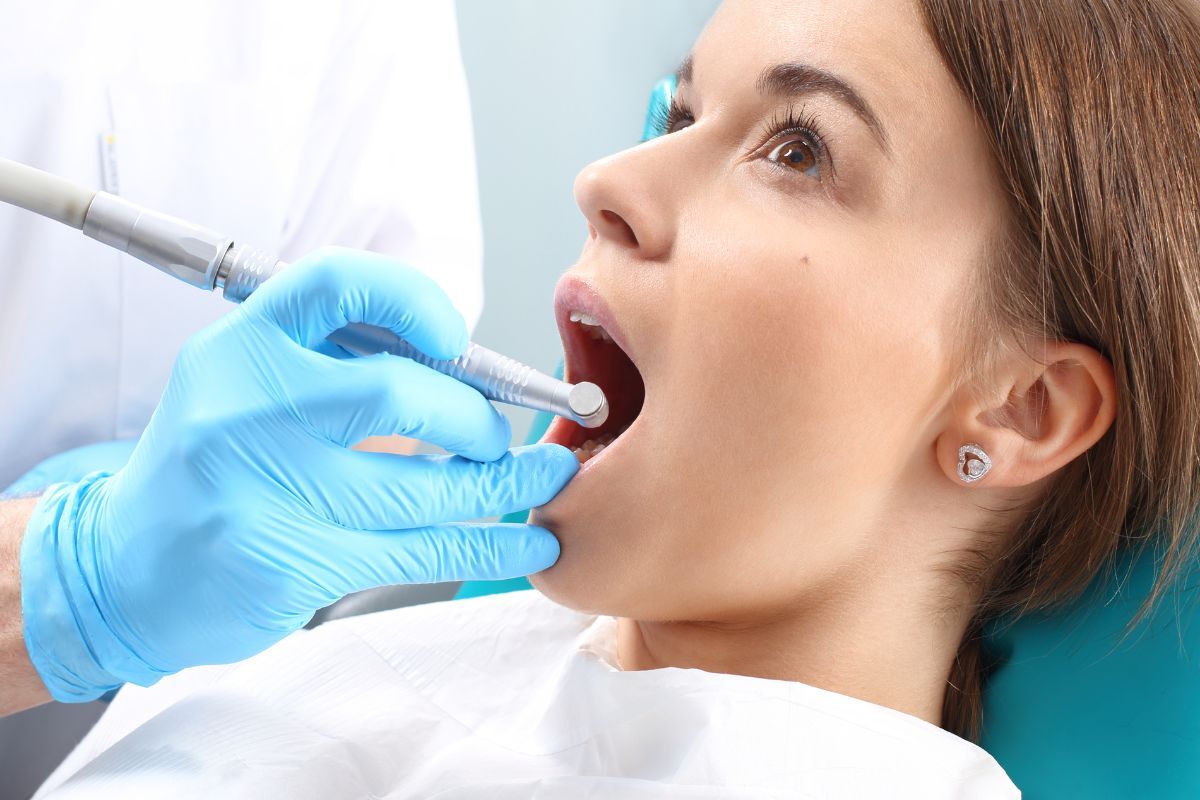

If you skip routine dental cleanings for too long, small oral health problems can gradually become harder and more expensive to manage. Even if your teeth look clean and feel fine, plaque and tartar can build up in areas that brushing and flossing cannot fully reach. At Affinity Dental, patients in Queen Creek receive personalized preventive care designed to help identify concerns early and maintain healthier smiles.
Regular dental care is not only about having clean-looking teeth. It also gives your dental team an opportunity to monitor your gums, check for cavities, identify changes in your mouth, and recommend treatment before a minor concern becomes a larger problem.
Why Regular Dental Cleanings Matter
When you skip routine dental cleanings for too long, plaque can remain on your teeth and eventually harden into tartar. Unlike soft plaque, tartar cannot be removed effectively with a toothbrush at home. A professional cleaning helps remove this buildup from areas that are difficult to clean on your own.
Affinity Dental focuses on prevention and conservative dental care. The practice also uses modern technology to provide comprehensive care while helping patients make informed decisions about their oral health.
An experienced dentist of Queen Creek at Affinity Dental can also evaluate your teeth and gums during regular visits. Dr. Kelly B. Wettstein and Dr. Payton Harker provide preventive, restorative, and cosmetic dental care, with an emphasis on personalized patient care.
Regular appointments can help with:
- Removing plaque and tartar buildup
- Monitoring gum health
- Finding early signs of tooth decay
- Checking existing dental work
- Identifying changes that may require treatment
- Maintaining better oral hygiene
- Building consistent dental habits
Plaque and Tartar Can Build Up
One of the first problems that can develop when you skip routine dental cleanings for too long is increased plaque and tartar buildup.
Plaque forms naturally throughout the day. It contains bacteria, food particles, and other substances that stick to your teeth. Brushing twice a day and flossing can remove much of it. However, some plaque can remain around the gumline, between teeth, and in other difficult-to-reach areas.
Over time, that plaque can harden into tartar.
Once tartar develops, regular brushing will not remove it completely. A dental professional needs to use specialized instruments to safely remove the hardened deposits.
That is why professional cleanings remain an important part of preventive dental care, even for people who maintain good brushing and flossing habits at home.
Your Gums May Become More Vulnerable
When tartar stays near the gumline, it can irritate the surrounding tissue. This may contribute to gum inflammation and symptoms such as redness, tenderness, swelling, or bleeding.
If you skip routine dental cleanings for too long, you may give plaque and tartar more time to affect your gums.
Early gum problems can sometimes seem minor. You might notice a little blood when brushing and assume that it is not serious. However, bleeding gums can indicate inflammation and deserve attention.
As gum problems progress, the tissues supporting your teeth can become affected. Advanced gum disease can lead to gum recession, bone loss, loose teeth, and tooth loss.
The good news is that early detection makes it easier to address many oral health concerns before they become more complicated.
Cavities May Go Undetected
Another concern with missed preventive appointments is that early cavities may not cause noticeable symptoms.
A tooth can develop decay without causing pain. You might continue eating, drinking, brushing, and going about your normal routine without realizing that a problem is developing.
When you skip routine dental cleanings for too long, you also miss opportunities for your dental team to monitor changes in your teeth.
During an examination, a dentist can look for signs of decay and determine whether additional evaluation or treatment is necessary. Affinity Dental’s new patient exams can include a full-mouth examination, X-rays, periodontal charting, and an oral cancer screening.
Finding a problem early can often mean a simpler treatment plan than waiting until the tooth becomes painful or damaged.
Why Early Detection Matters
Consider the difference between these situations:
- Early decay: Your dentist identifies a small area that needs attention.
- Moderate decay: The damaged area may require a larger restoration.
- Advanced decay: The tooth may need more extensive treatment if the damage reaches deeper structures.
Not every cavity follows the same progression. However, regular dental visits give your dentist more opportunities to identify changes before they become urgent.
Bad Breath Can Become More Noticeable
Persistent bad breath can have many causes, including food, dry mouth, certain medications, and oral bacteria.
However, plaque and tartar buildup can also contribute to unpleasant breath.
If you skip routine dental cleanings for too long, bacteria can accumulate around the teeth and gums. Brushing your tongue, flossing, and drinking water can help, but these habits may not fully address hardened deposits.
A professional cleaning can help remove buildup that contributes to oral odor.
If bad breath continues despite good oral hygiene, talk with your dentist. Persistent halitosis may point to an underlying oral health concern that deserves evaluation.
Stains Can Become More Difficult to Remove
Coffee, tea, red wine, tobacco, and certain foods can leave stains on the surface of your teeth.
Some surface discoloration can improve with professional cleaning. However, deeper discoloration may require other cosmetic treatments depending on its cause.
When you skip routine dental cleanings for too long, surface deposits may accumulate and make your smile appear duller or less polished.
Professional cleaning is not the same as professional teeth whitening. Cleaning focuses on removing plaque, tartar, and certain surface stains, while whitening treatments target tooth color.
Keeping up with preventive care can therefore support both oral health and the appearance of your smile.
You May Need More Extensive Treatment Later
Perhaps the biggest reason not to delay preventive care is that small dental concerns can become more complicated when they go unnoticed.
When you skip routine dental cleanings for too long, your dentist may have fewer opportunities to identify changes at an early stage.
For example, untreated gum inflammation can progress. A small cavity can become larger. An old restoration can develop a problem around its edges. A cracked or damaged tooth may become increasingly vulnerable.
This does not mean that every missed cleaning will lead to major dental treatment. Your risk depends on factors such as your oral hygiene, diet, medical history, medications, tobacco use, gum health, previous dental problems, and genetics.
Your dentist can help determine how often you need preventive appointments based on your individual needs.
How Often Should You Have a Dental Cleaning?
There is no single schedule that works perfectly for everyone.
Affinity Dental notes that many patients benefit from dental checkups about every six months, while some people may need appointments every three to four months depending on their periodontal health.
Your recommended schedule may depend on:
- Your history of cavities
- Your gum health
- Your oral hygiene habits
- Previous dental treatment
- Your age
- Certain medical conditions
- Medications that affect your mouth
- Smoking or tobacco use
- Your risk of developing dental problems
Therefore, if you skip routine dental cleanings for too long, do not assume that you can simply wait until something hurts. Pain often appears after a problem has already progressed.
What If You Have Already Missed Several Appointments?
If it has been a year or longer since your last cleaning, do not feel embarrassed.
Many people delay dental care because of busy schedules, anxiety, financial concerns, changes in insurance, or previous uncomfortable experiences. The important thing is to restart your preventive care instead of continuing to postpone it.
Your dentist can evaluate your current oral health and determine what you need next.
Depending on your situation, your appointment may involve an examination, X-rays, periodontal evaluation, and professional cleaning. If your gums have significant buildup or periodontal concerns, your dentist may recommend a deeper cleaning rather than a standard preventive cleaning.
The goal is not to judge how long it has been. The goal is to understand your current oral health and create an appropriate plan.
Prevention Can Help You Avoid Dental Emergencies
Preventive dental care can also reduce the chance of allowing certain problems to develop unnoticed.
For example, regular examinations may help identify:
- Early tooth decay
- Gum inflammation
- Damaged fillings
- Cracks or weakened teeth
- Changes around existing crowns
- Signs that additional treatment may be needed
This does not guarantee that you will never experience a dental emergency. Accidents and sudden dental problems can happen to anyone.
However, consistent preventive care gives your dental team more opportunities to identify developing concerns before they become urgent.
Good Home Care Still Matters
Professional dental care works best when you combine it with good daily habits.
Even if you keep your appointments, continue to:
- Brush twice daily with fluoride toothpaste.
- Clean between your teeth every day.
- Limit frequent sugary snacks and drinks.
- Drink plenty of water.
- Avoid tobacco products.
- Replace your toothbrush or brush head regularly.
- Pay attention to changes in your gums or teeth.
- Contact your dentist when you notice unusual symptoms.
Home care and professional care work together. One cannot completely replace the other.
The Bottom Line on Missed Cleanings
When you skip routine dental cleanings for too long, plaque and tartar can accumulate, gum inflammation may develop, stains can become more noticeable, and early dental problems may go undetected. In some cases, delayed care can allow minor concerns to become more complicated.
However, missing appointments does not mean you have permanently damaged your smile. The best step is to get back on track.
Affinity Dental takes a prevention-focused approach and provides general dental care for children, teens, adults, and seniors. The practice offers professional cleanings, examinations, restorative care, cosmetic dentistry, and other services based on each patient’s needs.
If you have been putting off your next cleaning, now is a good time to restart your preventive care. Schedule your appointment with Affinity Dental in Queen Creek, AZ, and meet with Dr. Kelly B. Wettstein or Dr. Payton Harker to discuss your current oral health and determine the right cleaning and examination schedule for your smile.