
If you’re trying to remove tartar from your teeth, you’re not alone. Many people notice a rough, yellowish buildup near the gumline and wonder if brushing harder or using home remedies will solve the problem. Unfortunately, not all methods are effective, and some can even harm your oral health. Understanding what truly works—and what doesn’t—can save you pain, time, and money.
In this guide, you will learn how tartar forms, which removal methods are safe, and when professional care becomes necessary. Most importantly, you will discover how to prevent it from coming back.
What Is Tartar and Why Does It Form?
Tartar develops when plaque stays on the mouth surfaces for too long. Plaque is a sticky film made of bacteria, food particles, and saliva. If you do not clean it properly, minerals in saliva harden it within 24 to 72 hours.
Once plaque hardens, regular brushing can no longer remove it. At this stage, the buildup becomes firmly attached and starts irritating the gums. Over time, this can lead to bleeding, bad breath, and even gum disease.
Common reasons tartar builds up include:
- Skipping daily brushing and flossing
- Poor brushing technique
- Smoking or tobacco use
- Frequent sugary or starchy snacks
- Irregular professional cleanings
Because of these factors, prevention matters just as much as removal.
Can You Remove Tartar at Home?
Many people look for DIY ways to clean hardened buildup at home. While some habits can help reduce plaque, true tartar removal at home is very limited. Let’s separate the methods that help from the ones that don’t.
What Actually Helps at Home
These methods do not remove hardened deposits, but they help slow new buildup and improve overall hygiene:
- Brushing twice daily with fluoride toothpaste: This removes plaque before it hardens. Focus on gentle circular motions along the gumline.
- Daily flossing: Flossing removes plaque between surfaces where a brush cannot reach.
- Use an anti-tartar mouthwash: Mouthwash helps control bacteria and supports daily care.
- Electric toothbrushes: These brushes remove plaque more effectively than manual ones when used correctly.
Patients in Arizona often ask us about safe options. As your trusted Queen Creek dentist, we see firsthand that consistent home care can delay buildup, but professional cleaning remains essential for complete removal.
What Does NOT Work (and Can Be Risky)
Some online tips claim to break tartar naturally. However, these methods often cause more harm than good:
- Scraping with sharp tools: This can damage the enamel and injure the gums.
- Baking soda and salt scrubs: These abrasives wear down protective surfaces over time.
- Lemon or vinegar rinses: Acid weakens enamel and increases sensitivity.
- Hydrogen peroxide overuse: Excessive use irritates soft tissue and disrupts oral balance.
Although these methods sound appealing, they do not safely remove hardened buildup.
Professional Ways to Remove Tartar From Teeth
When tartar forms, only professional dental tools can remove it completely. Dentists and hygienists use specialized instruments designed to clean without damaging surrounding tissue.
Here are the most effective professional options:
1. Scaling and Polishing
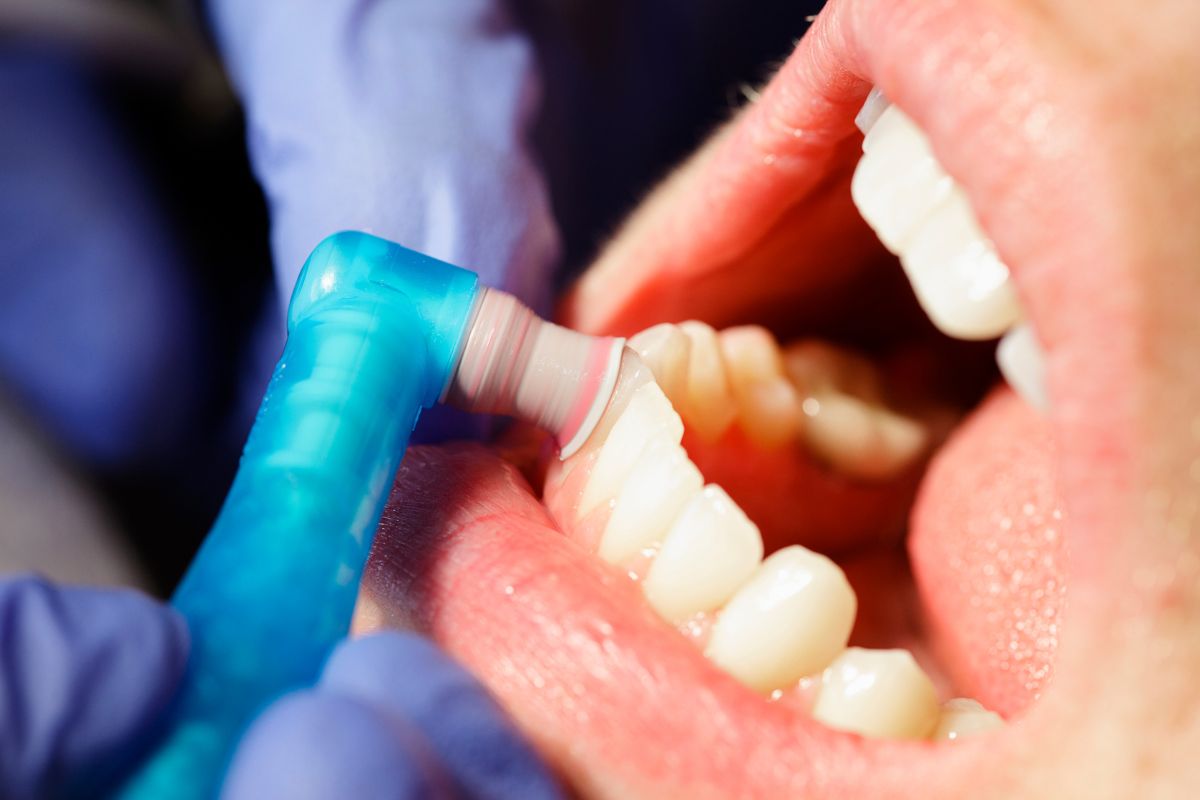
Scaling removes hardened deposits from above and below the gumline. After that, polishing smooths the surface, making it harder for plaque to stick again.
2. Ultrasonic Cleaning
This method uses vibrations and water to break apart the buildup. It works well for heavier deposits and reduces discomfort.
3. Deep Cleaning (If Needed)
If the buildup extends below the gum line, a deep cleaning may be recommended. This treatment helps prevent infection and supports gum healing.
Professional cleanings are painless for most patients and provide immediate results that home care cannot achieve.
Why Ignoring Tartar Is a Bad Idea
Leaving tartar untreated can cause serious problems over time. It creates a rough surface that attracts more bacteria, making the issue worse.
Possible complications include:
- Persistent bad breath
- Bleeding or swollen gums
- Gum recession
- Tooth mobility
- Increased risk of tooth loss
Therefore, early action protects both comfort and long-term oral health.
How to Prevent Tartar From Coming Back
After professional removal, prevention becomes the priority. Thankfully, small daily habits make a big difference.
Follow these simple steps:
- Brush twice a day for two minutes
- Floss once daily without skipping
- Use fluoride toothpaste consistently
- Drink water after meals
- Limit sugary snacks and drinks
- Schedule cleanings every six months
By staying consistent, you reduce the chances of buildup returning quickly.
What Truly Works for a Healthier Smile
Trying to remove tartar from teeth at home has clear limits. Daily care helps prevent plaque, but once it hardens, professional treatment is the only safe and effective solution. Home remedies often fail and may damage enamel or gums.
If you notice buildup or feel rough areas near the gumline, do not wait. Early care prevents bigger problems later. For expert support, visit our dental office or schedule an appointment with Affinity Dental Queen Creek today. Our team offers gentle, thorough cleanings designed to protect your smile and your overall health.