
Caring for your smile is about more than just brushing and flossing at home. It’s about maintaining healthy, beautiful teeth through consistent and gentle care. While these daily habits are essential, routine clean-up is vital for maintaining optimal oral health. These routine cleanings help prevent the buildup of plaque and tartar, which can lead to serious dental issues like cavities and gum disease. Maintaining regular cleanings is especially important here, considering the heat and dry climate. It can increase the risk of dry mouth and plaque buildup.
At Affinity Dental Queen Creek, our dental professionals provide thorough cleanings to help protect your long-term oral health, while an experienced Queen Creek dentist carefully examines your teeth and gums for any underlying concerns.
What Are Professional Teeth Cleanings?
Professional dental cleanings are one of the most important steps in maintaining a healthy smile. They are different from the brushing and flossing you do at home. A dental professional uses specialized tools to remove plaque and tartar from areas that are difficult to reach with regular brushing. These cleanings are typically done by a dental hygienist, who has the knowledge and skills to thoroughly clean all surfaces of your teeth.
After the cleaning process, your oral practitioner will assess the health of your gums and teeth to ensure there are no underlying issues. This proactive approach not only removes harmful plaque but also prevents the development of gum disease. It can lead to tooth loss if untreated.
The Benefits of Regular Cleanings
Here are some key benefits of regular clean-ups:
Preventing Tooth Decay
Regular cleanings help keep your teeth healthy by removing plaque, a sticky substance that can harbor harmful bacteria. If not cleaned, plaque can turn into tartar, which only a dental practitioner can remove. Tartar buildup can cause issues like tooth decay, cavities, and gum disease. By scheduling routine cleanings with a dentist, you’re taking a great step towards maintaining your oral health.
Keep Gum Disease at Bay
Gum disease is one of the main reasons many adults lose their teeth. It starts with gingivitis, which is an early stage of gum trouble involving swelling and irritation of the gums. If not treated, it can develop into more serious issues like periodontitis. During a professional cleaning, the hygienist will carefully remove plaque and tartar from along the gum line. This simple step can make a big difference in preventing gum disease and keeping your teeth healthy and bright.
Freshen Your Breath
Bad breath, or halitosis, can be a result of plaque and bacterial buildup on your teeth and gums. In Queen Creek’s hot climate, food particles and bacteria thrive in the mouth, increasing the risk of bad breath. It can lead to reduced saliva production, which plays a key role in neutralizing acids and protecting your teeth. Without enough saliva, plaque and bacteria can build up more quickly, increasing the risk of tooth decay and gum disease. A professional cleaning removes these particles, leaving your mouth feeling fresh and clean.
Improve Overall Health
Taking good care of your oral hygiene isn’t just about your teeth and gums; it’s also a wonderful way to support your overall health. Research has shown that oral health is connected to conditions like heart disease, diabetes, and respiratory issues. By keeping up with regular cleanings, you can help lower your risk of these health problems and enjoy healthier, brighter teeth.
What Happens During a Professional Dental Cleaning?
Here is a step-by-step look:
1. Initial Examination
Before the cleaning process begins, your dental professional will perform a quick examination to check for signs of decay, gum disease, or any other potential concerns. This ensures that the cleaning process is tailored to your specific needs.
2. Plaque and Tartar Removal
Using specialized tools, the dental hygienist will remove plaque and tartar buildup from your teeth and gums. This is the most critical step in the process, as it prevents cavities, gum disease, and other oral health issues.
3. Tooth Polishing
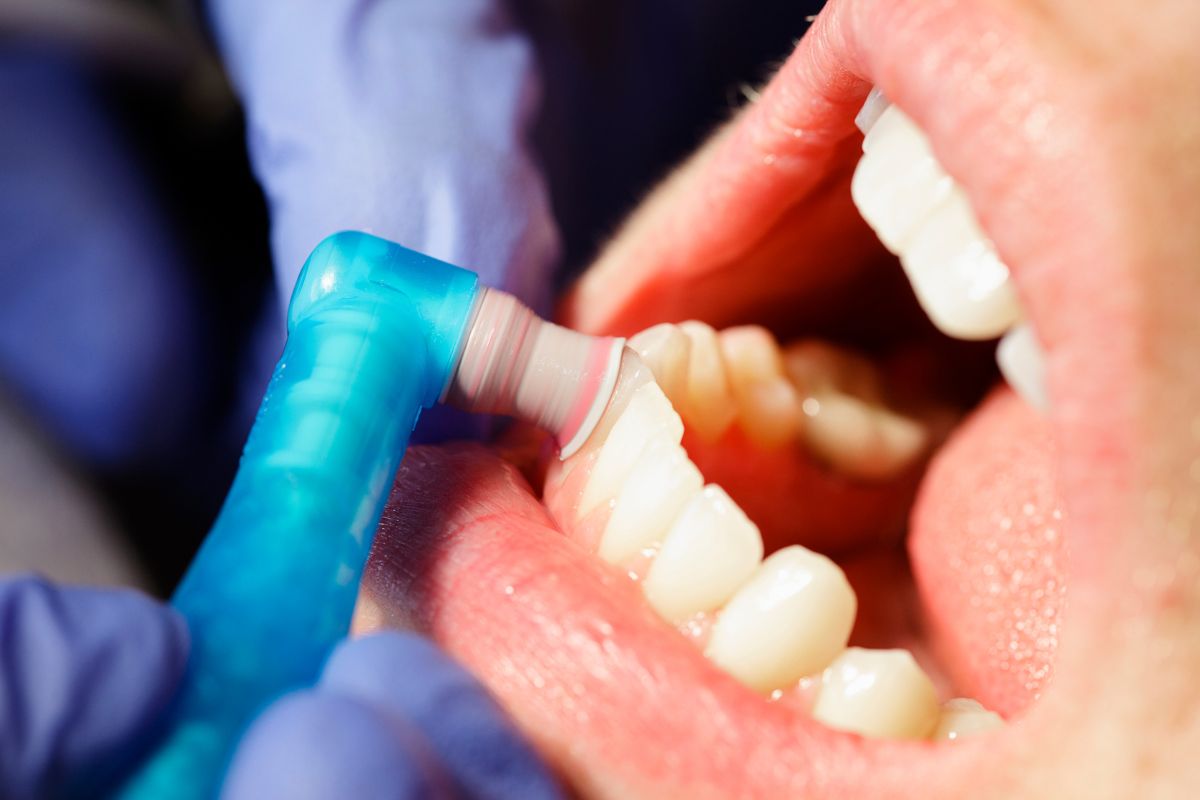
After the plaque and tartar are removed, your teeth are polished to remove any remaining debris. This step also helps smooth the tooth surfaces, making it more difficult for plaque to stick in the future.
4. Flossing and Rinsing
The final step is to gently floss between your teeth and give your mouth a refreshing rinse with an antibacterial solution. This helps clear away any remaining particles and supports your gum health.
Protect Your Laugh with Our Professional Cleanings
Routine clean-ups are more than just an aesthetic procedure; they are a preventive measure to safeguard your overall health by making professional cleanings a routine part of your dental care. You are not only preserving your teeth and gums but also helping to prevent more serious health concerns. It’s essential to take the local climate’s impact on your oral health into account and to maintain regular visits for cleanings and checkups.
Take Control of Your Oral Health Today
Regular cleaning sessions are one of the simplest and most effective ways to protect your teeth and overall health. Whether you’re concerned about plaque, gum disease, or want to keep your teeth looking their best, professional cleanings are key.
If you are looking for trusted preventive dental care, Affinity Dental Queen Creek offers professional cleaning services to help protect your smile for years to come. Schedule your appointment today and take the first step toward better oral health.
Frequently Asked Questions
How often should you schedule a professional dental cleaning?
It’s a good idea to get a dental cleaning every six months to keep your teeth healthy and bright! However, some individuals may need more frequent cleanings depending on their oral health condition.
Can a dental cleaning reverse gum disease?
Dental cleaning sessions can remove plaque and tartar that cause gingivitis, the early stage of gum disease. However, as conditions become more advanced, you might need some extra treatments.
What should you expect after a dental cleaning?
After a dental cleaning, you may experience some mild sensitivity or discomfort, but this should subside within a day. It’s important to follow any post-care instructions provided by your dental professional.
Are routine cleanups covered by insurance?
Many dental insurance plans often include coverage for regular cleanings to help maintain your oral health. It’s a good idea to check in with your provider for the detailed specifics.
Can you get professional dental cleanings with braces?
Yes, individuals with braces can still get a dental cleaning. Special tools and techniques are used to ensure that all areas around the braces are cleaned effectively.