
For many Queen Creek residents, coffee is part of the morning routine. However, coffee stains teeth prevention can help you enjoy your daily cup while protecting the appearance of your smile. Simple habits, consistent oral care, and professional dental guidance can make a noticeable difference over time.
Why Daily Coffee Habits Can Affect Your Smile
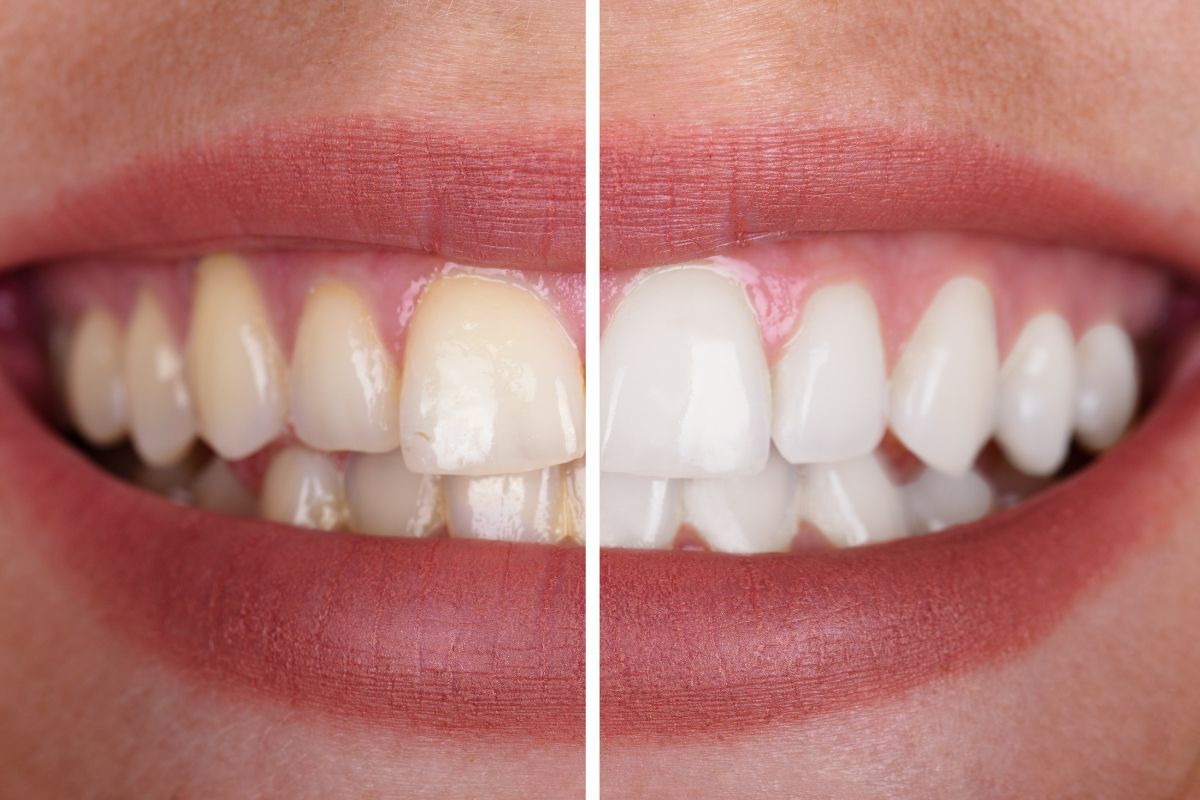
Coffee contains compounds called tannins and pigments that can attach to the outer surface of teeth. With frequent exposure, these substances can contribute to yellow or brown discoloration. The effect may become more noticeable when you sip your drink slowly throughout the morning.
At Affinity Dental Queen Creek, the focus stays on prevention and personalized care. If you are looking for a Queen Creek dentist who can help you understand your options for maintaining a bright, healthy smile, the team can discuss your individual concerns. Affinity Dental Queen Creek provides general, cosmetic, and restorative dental services, including professional teeth whitening.
The good news is that you do not necessarily need to give up your favorite morning routine. Instead, small changes can reduce the amount of time staining substances remain on your teeth.
How Stains Develop Over Time
Pigments Can Stick to Enamel
Tooth enamel is strong, but its surface contains microscopic irregularities. Dark pigments can settle into these areas, especially when you repeatedly consume drinks that contain staining compounds.
The frequency of exposure matters. Having one drink and finishing it within a reasonable period is different from taking small sips for several hours. Longer contact gives pigments more opportunities to remain on the tooth surface.
Acidity Can Also Matter
Coffee has some acidity, which may temporarily affect the enamel surface. When enamel becomes more vulnerable, brushing immediately after an acidic drink may cause unnecessary wear.
Therefore, rinsing with plain water can be a better first step. If the beverage is acidic, waiting around 30 minutes before brushing can help protect the enamel while still supporting good oral hygiene.
Sugar Changes the Equation
Staining is not the only concern. Sugar, flavored syrups, and sweetened creamers can increase the amount of sugar that comes into contact with your teeth.
Instead of focusing only on color, think about the entire drink. Choosing less added sugar can support both the appearance of your smile and your overall oral health.
7 Simple Ways to Reduce Daily Stains
You can make your routine more smile-friendly without making major lifestyle changes.
1. Drink Water Afterward
Water helps rinse away leftover pigments and food particles. Take a few sips after finishing your drink, especially when you cannot brush right away.
This simple habit also helps maintain hydration and can reduce the amount of residue that stays around your teeth.
2. Avoid Sipping for Hours
One of the easiest changes is to shorten the amount of time your teeth remain exposed to the drink.
Instead of carrying the same cup around all morning, finish it within a reasonable time. Then rinse your mouth with water.
3. Use a Straw for Iced Drinks
For iced beverages, a straw can reduce direct contact between the drink and your front teeth. Positioning the straw toward the back of your mouth may help limit contact with visible tooth surfaces.
However, a straw does not replace brushing, flossing, or regular professional cleanings.
4. Maintain a Consistent Brushing Routine
Brush twice a day with fluoride toothpaste and use a soft-bristled toothbrush. Gentle, thorough brushing helps remove plaque and surface buildup without putting unnecessary pressure on your enamel.
Avoid aggressive scrubbing. More pressure does not automatically mean cleaner teeth.
5. Floss Every Day
A toothbrush cannot clean every area between your teeth. Flossing helps remove plaque and debris from spaces that are difficult to reach with brushing alone.
Clean spaces between the teeth can also make your smile look fresher and healthier.
6. Rinse Before You Brush
If you have just finished an acidic drink, rinse with water first. Then give your enamel some time before brushing.
This approach can be especially useful for people who regularly consume acidic beverages and want to protect their enamel while maintaining their daily oral care routine.
7. Keep Up With Professional Cleanings
Even a careful home routine cannot remove every type of buildup. Professional cleanings can help remove surface deposits and allow your dental team to monitor changes in your teeth and gums.
Affinity Dental Queen Creek offers routine cleanings as part of its general dentistry services. The practice states that regular appointments help patients maintain oral hygiene and identify potential dental problems early.
Can Whitening Help With Stains?
Sometimes, yes. The right whitening option depends on the type and depth of discoloration.
Surface stains may respond well to professional cleaning or whitening. However, not every type of discoloration comes from food or beverages. Age-related changes, certain medications, trauma, enamel changes, and other factors can affect tooth color.
That is why it is helpful to understand the cause before choosing a whitening treatment.
Affinity Dental Queen Creek offers teeth whitening as part of its cosmetic dentistry services. Its website also lists an ongoing teeth-whitening program, so patients can discuss available options with the dental team.
Professional Whitening vs. Home Products
Over-the-counter whitening products may help with certain surface stains. However, they may not provide the same level of customization as professional treatment.
A dentist can evaluate your teeth, gums, existing restorations, and overall oral health before recommending a whitening approach. This can be particularly important if you have sensitivity, fillings, crowns, veneers, or other dental work.
What About Whitening Toothpaste?
Whitening toothpaste can help remove some surface discoloration. However, it does not work like professional whitening and cannot change the natural color of your teeth dramatically.
Use it according to the product instructions and avoid aggressive brushing. If your teeth become sensitive or the discoloration continues despite good oral care, talk with your dentist rather than repeatedly using stronger products.
Daily Habits That Support a Brighter Smile
Protecting your smile involves more than one drink. Your overall routine matters.
Try building these habits into your day:
- Brush twice daily with fluoride toothpaste.
- Floss once each day.
- Drink water regularly.
- Limit added sugar in beverages.
- Avoid slowly sipping staining drinks for several hours.
- Rinse with water after drinking.
- Wait before brushing after acidic drinks.
- Keep routine dental cleanings.
- Ask your dentist about whitening if stains become noticeable.
- Follow personalized recommendations based on your oral health.
These habits do not require a major change in your lifestyle. Instead, they create a routine that supports healthier teeth over the long term.
When Should You Talk With Your Dentist About Discoloration?
Not every change in tooth color requires treatment. Still, sudden or unusual discoloration deserves professional attention, especially when it affects one tooth or appears alongside pain, sensitivity, swelling, or other symptoms.
A dental professional can determine whether the change relates to surface staining or another dental concern.
You should also discuss whitening before starting treatment if you have:
- Tooth sensitivity
- Gum irritation
- Dental crowns or veneers
- Tooth-colored fillings
- Deep discoloration
- Cracked or damaged teeth
- A history of enamel problems
A personalized evaluation can help you choose an approach that fits your smile rather than relying on a one-size-fits-all product.
Why Consistent Prevention Matters in Queen Creek
Life in Queen Creek can be busy. Work, school, family activities, errands, and outdoor plans can make it easy to overlook small oral care habits.
That is why simple routines matter. Rinsing with water takes seconds. Flossing takes only a few minutes. Brushing twice daily can become automatic when you connect it to your morning and bedtime routines.
Affinity Dental Queen Creek serves families in Queen Creek and nearby communities and provides comprehensive care in one location. The practice offers preventive, cosmetic, restorative, emergency, and family dentistry services.
Dr. Kelly B. Wettstein and Dr. Payton Harker are the dentists at the practice. The practice describes its approach as personalized and prevention-focused, with an emphasis on helping patients understand their treatment options.
A Brighter Smile Starts With Small Choices
Daily staining does not have to mean giving up the beverages you enjoy. Instead, focus on how you consume them and how consistently you care for your teeth afterward.
Water, good brushing and flossing habits, shorter exposure times, and professional cleanings can all help reduce surface discoloration. When stains remain, professional whitening may offer another option after your dentist evaluates your smile.
The goal is not perfection. It is consistency. A few practical changes can help you maintain a cleaner, healthier-looking smile while still enjoying your everyday routine.
Conclusion
Your morning routine and your oral health can work together. By limiting prolonged exposure, rinsing with water, maintaining daily brushing and flossing, and keeping regular dental cleanings, you can take practical steps toward managing everyday stains.
If you want personalized guidance about discoloration or professional teeth whitening, schedule an appointment with Affinity Dental Queen Creek. Dr. Kelly B. Wettstein, Dr. Payton Harker, and the dental team can evaluate your smile and discuss whitening options that fit your needs.