
At-home teeth whitening kits have become a popular way to brighten a smile without spending much time in a dental office. At Affinity Dental Queen Creek, patients in Queen Creek often ask whether these products can deliver safe, noticeable results or whether professional care offers a better approach.
A brighter smile can make you feel more confident, especially when you are preparing for a special event, meeting new people, or simply want to feel better about your appearance. However, not every whitening product works the same way. Some products use different ingredients, strengths, and application methods. As a result, the experience and results can vary from one person to another.
Before you choose a whitening product, it helps to understand what causes stains, how whitening works, what these products can and cannot change, and when professional guidance makes more sense.
How Do At-Home Whitening Products Work?
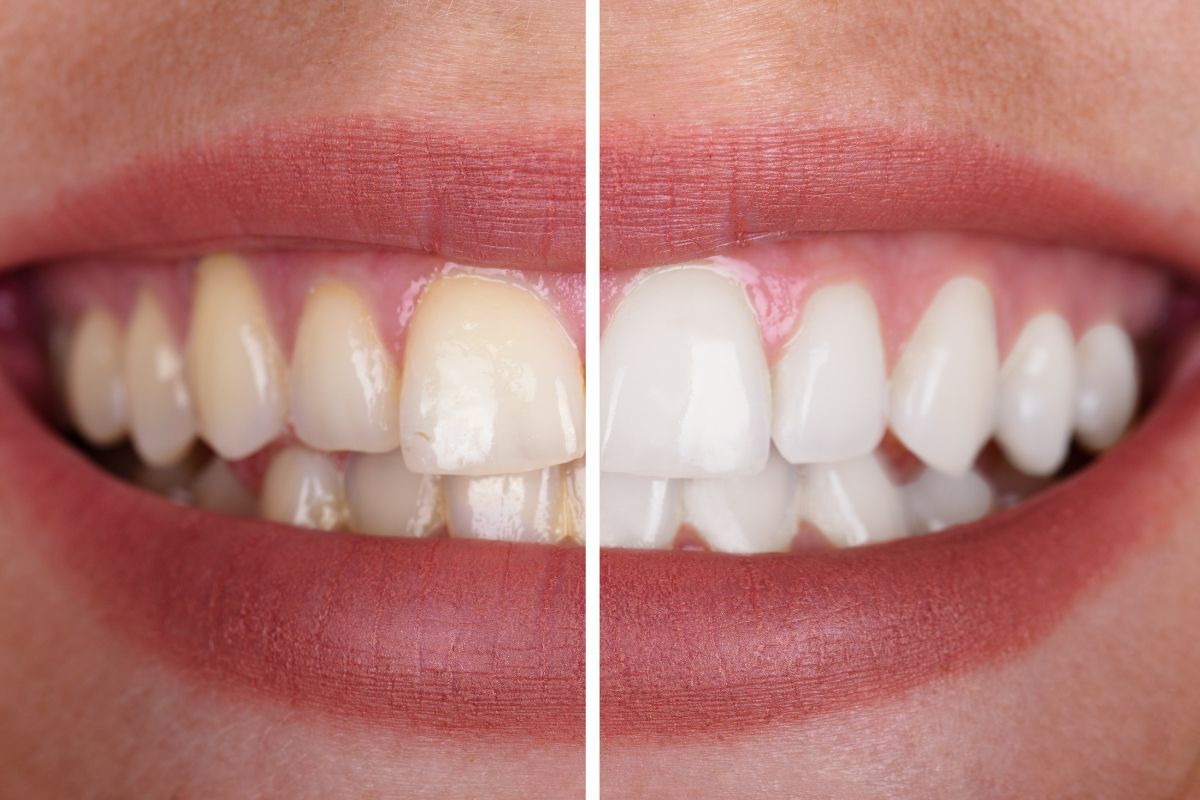
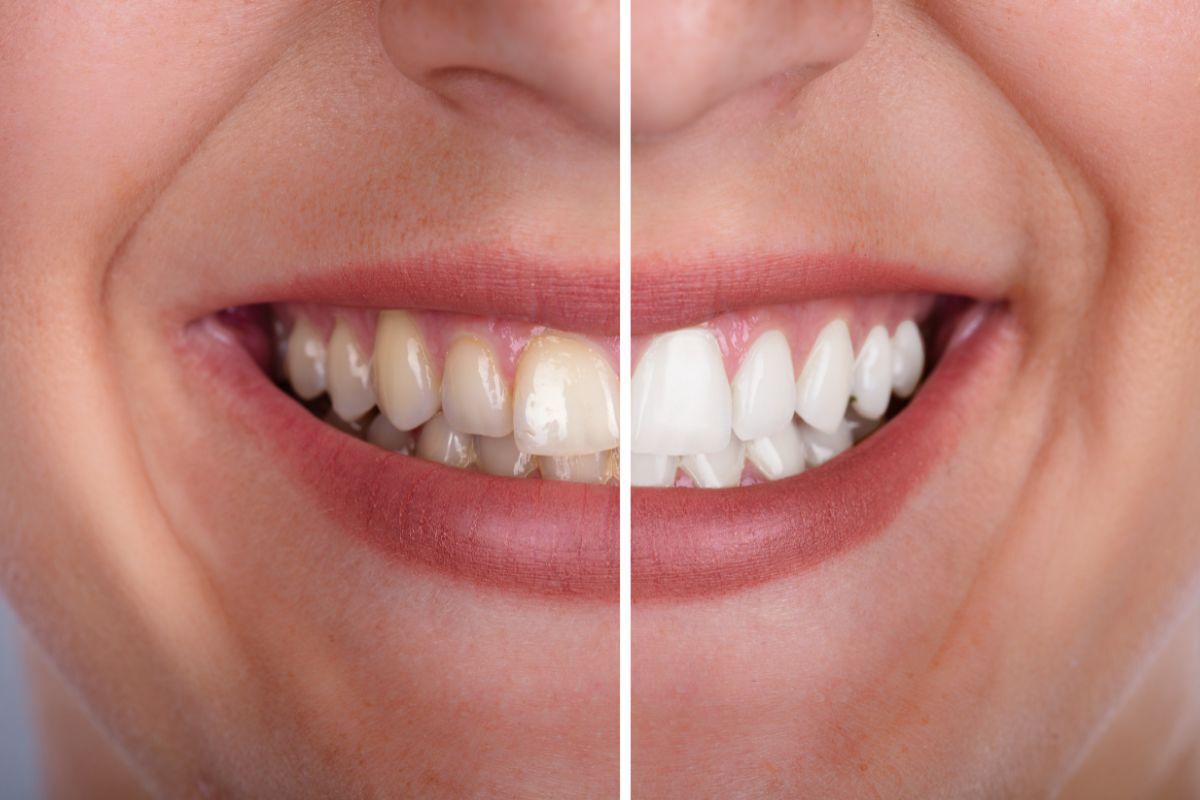
Most whitening products rely on bleaching ingredients that help break down certain stains on the tooth surface or within the tooth structure. The active ingredients can gradually change the appearance of discoloration and make natural teeth look lighter.
However, whitening does not work like a paint that simply covers the tooth. The result depends on the type of stain, the condition of your teeth, the product you use, and how consistently you follow the directions.
At Affinity Dental Queen Creek, professional teeth whitening includes both take-home options and in-office whitening. The practice offers custom take-home trays designed to fit the patient’s teeth, along with an in-office one-hour whitening option.
Not Every Stain Responds the Same Way
Before whitening, it helps to understand that discoloration can occur for different reasons.
Common causes include:
- Coffee and tea
- Red wine
- Tobacco use
- Certain foods and drinks
- Natural aging
- Enamel changes
- Certain medications
- Childhood antibiotic exposure
- Tooth trauma
Surface stains may respond well to whitening. However, deeper discoloration may require a different cosmetic approach.
What Makes At-Home Whitening Appealing?
One reason people choose home whitening is convenience. You can complete the process according to the product instructions without spending a long period in a dental chair.
For busy adults, that flexibility can sound attractive. You may also like the ability to incorporate whitening into your regular routine.
Potential Benefits
Depending on the product and your dental condition, home whitening may offer:
- Convenience
- Flexible use
- Gradual brightening
- Easy maintenance
- A less time-intensive approach
- The ability to touch up your smile when appropriate
However, convenience does not automatically mean that every product is appropriate for every person.
Your teeth and gums should remain the priority.
Are All At-Home Teeth Whitening Kits the Same?
No. Products can differ significantly.
Some use strips, while others use trays, gels, pens, or other application methods. The concentration of the whitening ingredient can also vary.
That difference matters because stronger does not always mean better.
Using too much whitening material or leaving a product on longer than instructed can increase the chance of unwanted effects. Therefore, always follow the manufacturer’s directions or your dentist’s recommendations.
Read the Instructions Carefully
Avoid assuming that you can improve results by using a product more frequently.
Do not:
- Leave whitening products on longer than directed.
- Use more gel than recommended.
- Combine several whitening products without professional advice.
- Whiten continuously without giving your teeth a break.
- Ignore pain or significant irritation.
- Use a product on unhealthy teeth without professional guidance.
A careful approach can help reduce unnecessary problems.
Can Whitening Cause Tooth Sensitivity?
Sensitivity is one of the most common concerns associated with whitening.
You may notice a brief sharp sensation when drinking something cold or eating something hot. Some people experience sensitivity during treatment, while others notice it afterward.
The level of sensitivity can vary based on your teeth, the whitening method, the strength of the product, and your existing oral health.
Affinity Dental Queen Creek notes that sensitivity can occur after whitening and emphasizes evaluating enamel health and using protective measures to reduce the risk of discomfort.
What Can You Do About Sensitivity?
If your teeth become sensitive, talk with your dentist about the best approach.
Depending on the cause and severity, your dental professional may recommend:
- Taking a break from whitening
- Using products designed for sensitive teeth
- Adjusting the frequency of whitening
- Checking for cavities or enamel problems
- Using a different whitening method
- Receiving professional guidance before continuing treatment
Do not assume that severe or persistent pain is simply part of the whitening process.
Can Whitening Damage Your Enamel?
Many people worry that whitening automatically damages enamel. The answer depends on the product, how you use it, and the health of your teeth.
Using a reputable product according to its directions is different from repeatedly applying excessive amounts or leaving whitening agents on your teeth for too long.
However, whitening cannot repair damaged enamel. If your enamel has already worn down, your teeth may react more strongly to whitening.
Your Existing Oral Health Matters
Before whitening, consider whether you have:
- Cavities
- Cracked teeth
- Significant sensitivity
- Gum irritation
- Worn enamel
- Exposed roots
- Damaged fillings
- Other untreated dental concerns
If you have any of these problems, whitening may not be the first step.
A dental evaluation can help identify issues that should receive attention before cosmetic treatment.
Why a Dental Cleaning Can Matter Before Whitening
Plaque and surface buildup can affect how your teeth look and may interfere with achieving an even result.
Affinity Dental recommends completing a cleaning before whitening treatment for the best results.
A professional cleaning can remove buildup and surface deposits that regular brushing may not completely eliminate.
Cleaning and Whitening Are Different
It is important to understand the difference.
A dental cleaning focuses on removing plaque, tartar, and surface buildup. Whitening focuses on changing the color of natural tooth structure.
Therefore, if your smile looks dull because of surface buildup, a cleaning alone may make a noticeable difference. If deeper staining remains, your dentist can discuss appropriate whitening options.
What About Whitening Strips?
Whitening strips are widely available and easy to use. They contain whitening ingredients that come into contact with your teeth for a specific period.
They may help reduce certain types of discoloration. However, the results can vary.
One challenge involves fit. A strip may not cover every tooth surface evenly, especially if your teeth have unusual shapes, spacing, or alignment.
Affinity Dental’s patient education explains that improper use of whitening strips can contribute to sensitivity, gum irritation, and other concerns.
Follow the Recommended Wear Time
Do not assume that leaving strips on longer will produce faster results.
More exposure does not necessarily equal a better smile. Instead, follow the instructions and stop if you experience significant discomfort.
If sensitivity continues after you stop whitening, speak with your dentist.
What About Whitening Pens?
Whitening pens appeal to people who want a quick and portable option. They allow you to apply whitening material directly to selected areas.
However, the application can be inconsistent. You may apply more product to some teeth than others, which can contribute to uneven results.
Pens can also make it tempting to repeatedly touch up your smile without considering your overall oral health.
If you want long-term whitening, ask your dental team which method fits your teeth and goals.
Custom Take-Home Trays Are Different
Professional take-home whitening trays differ from many over-the-counter products.
Affinity Dental Queen Creek offers custom-made trays that fit the patient’s teeth. The practice states that its take-home option combines custom trays with prescription-strength whitening gel.
A custom tray can help keep whitening material in closer contact with the intended tooth surfaces.
The practice’s whitening program also provides ongoing maintenance options for eligible patients who meet its program guidelines, including regular hygiene visits and completion of necessary dental treatment.
Why Custom Fit Matters
A customized tray can offer advantages such as:
- Better fit around the teeth
- More consistent contact
- Easier application
- A personalized whitening approach
- Convenient use at home
Your dentist can explain how to use the trays and how often to whiten based on your smile.
Can Whitening Change Crowns, Veneers, or Fillings?
This is one of the most important facts to understand before whitening.
Whitening products primarily affect natural tooth structure. They do not necessarily change the color of existing dental restorations in the same way.
If you have crowns, veneers, fillings, or other dental work, whitening your natural teeth may create a color difference between your teeth and restorations.
Why You Should Plan Ahead
Suppose you want a brighter smile but already have visible dental work on your front teeth. Whitening first and choosing a new restoration later may produce a more coordinated result than completing cosmetic work first and whitening afterward.
Your dentist can help you consider the order of treatment based on your smile goals.
Can Whitening Remove Every Type of Discoloration?
No.
Whitening works best on certain types of discoloration, especially many stains caused by foods, drinks, tobacco, and normal aging.
However, some deeper stains may not respond as expected.
Affinity Dental explains that extrinsic stains on the tooth surface can respond well to cleaning and whitening, while intrinsic discoloration deeper within the tooth may require cosmetic options such as veneers or bonding.
When Whitening May Not Be Enough
You may need another cosmetic approach if discoloration comes from:
- Significant internal tooth changes
- Certain medication-related staining
- Trauma
- Severe enamel changes
- Existing restorations that no longer match
- Uneven discoloration
That does not mean you cannot improve your smile. It simply means whitening may not provide the result you expect.
Is Professional Whitening Better Than Store-Bought Products?
The answer depends on your goals and oral health.
Store-bought products can offer convenience and may work for certain surface stains. Professional whitening gives you access to a dental evaluation, personalized recommendations, and options designed around your specific teeth.
At Affinity Dental Queen Creek, patients can choose between custom take-home whitening trays and an in-office one-hour whitening option. The practice states that its in-office treatment can brighten teeth by up to eight shades and provides take-home trays for future touch-ups for patients who complete the in-office treatment.
A Professional Evaluation Adds an Important Step
Before whitening, your dentist can look for concerns such as:
- Cavities
- Cracks
- Gum problems
- Enamel wear
- Existing restorations
- Areas of sensitivity
This evaluation helps you avoid treating a cosmetic concern while overlooking a dental problem.
How to Keep Your Smile Bright After Whitening
Whitening does not permanently stop new stains from forming. Your daily habits can affect how long your results last.
Helpful Habits for a Brighter Smile
Try to:
- Brush twice daily.
- Clean between your teeth every day.
- Drink plenty of water.
- Limit frequent consumption of staining beverages.
- Rinse your mouth with water after coffee or tea.
- Avoid tobacco products.
- Maintain regular professional cleanings.
- Follow your dentist’s whitening recommendations.
- Use touch-up treatment only as directed.
You do not have to avoid every food or drink that can stain your teeth. Instead, focus on moderation and consistent oral hygiene.
When Should You Talk to a Dentist Before Whitening?
Consider a dental evaluation before whitening if you have:
- Persistent tooth sensitivity
- Tooth pain
- Cavities
- Bleeding or irritated gums
- Cracked teeth
- Worn enamel
- Large fillings or crowns
- Veneers
- Uneven discoloration
- A history of strong reactions to whitening products
A dentist can help determine whether whitening makes sense for you and which option may provide the best balance between results and comfort.
A Personalized Approach to Whitening in Queen Creek
At Affinity Dental Queen Creek, whitening is part of the practice’s cosmetic dentistry services. The practice offers both in-office whitening and custom take-home trays, giving patients different ways to brighten their smiles.
Dr. Kelly B. Wettstein has experience with cosmetic dental care, while Dr. Payton Harker provides preventive, restorative, and cosmetic services with an emphasis on patient comfort and individual needs.
This personalized approach can be especially helpful if you are unsure whether an over-the-counter product is right for you.
Rather than choosing a whitening method based only on advertising, consider your tooth color, existing dental work, sensitivity, oral health, and desired result.
Final Thoughts on At-Home Teeth Whitening Kits
The truth about at-home teeth whitening kits is that they can be useful for some people, but they are not a universal solution for every type of discoloration. Results depend on the cause of the stains, the health of your teeth, the product you use, and how closely you follow the instructions.
Sensitivity and gum irritation can occur, especially when whitening products are misused. In addition, whitening does not change the color of every dental restoration, and deeper discoloration may require a different cosmetic treatment.
If you want to brighten your smile, start with your oral health. A professional evaluation can help determine whether whitening is appropriate and whether custom take-home trays or in-office treatment better fits your goals.
If you are interested in a personalized whitening plan, schedule your appointment at Affinity Dental Queen Creek with Dr. Kelly B. Wettstein or Dr. Payton Harker to discuss your smile goals and whitening options.