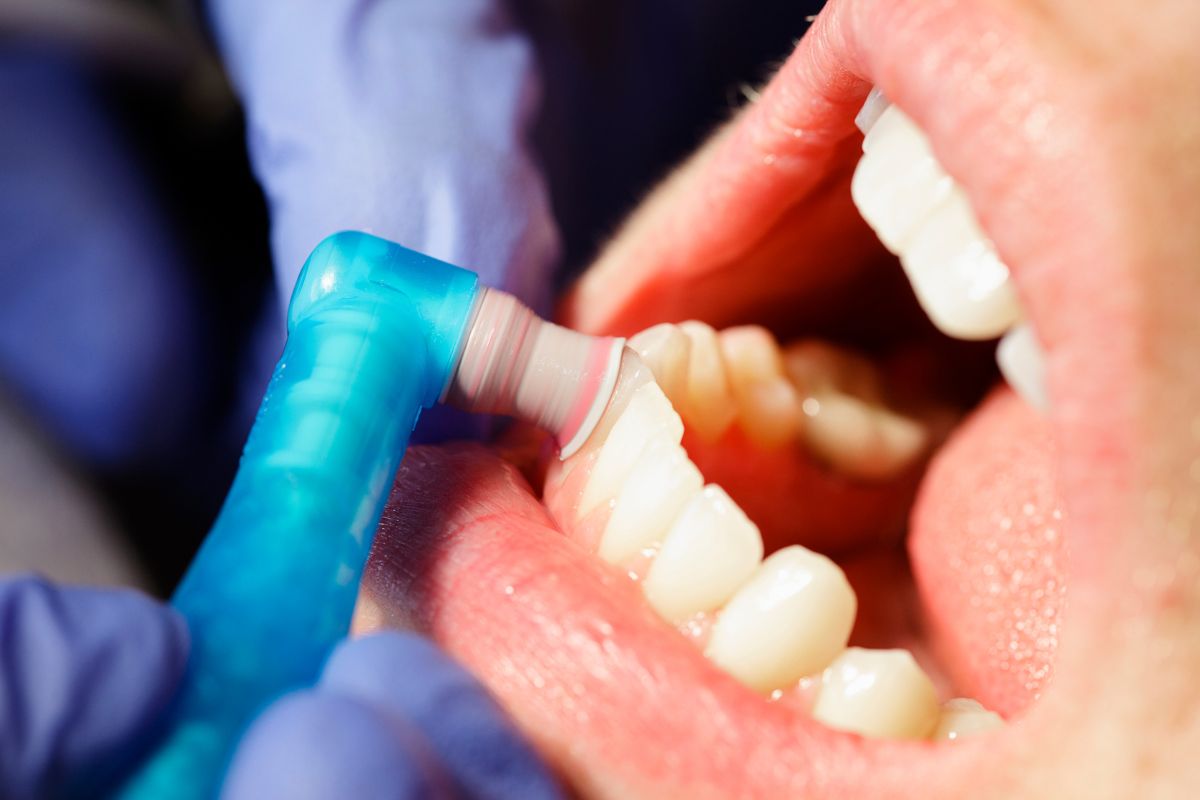

Tooth decay at the gum line is a common dental issue that can lead to serious oral health problems if left untreated. This condition occurs when plaque builds up near the gums, eroding the tooth enamel and exposing sensitive areas. At Affinity Dental Queen Creek, led by Dr. Kelly B. Wettstein, patients receive thorough evaluations and personalized treatment to stop gum line decay before it progresses. Understanding the causes, symptoms, and treatment options can help you maintain a healthy, confident smile with the right professional care.
Causes and Symptoms of Tooth Decay at the Gum Line
What Causes Decay at the Gum Line?
Several factors contribute to tooth decay near the gums, including:
- Poor oral hygiene – Inadequate brushing and flossing allow plaque and bacteria to accumulate.
- High sugar intake – Consuming sugary foods and drinks increases acid production, which weakens tooth enamel.
- Dry mouth – Reduced saliva flow fails to neutralize harmful acids and wash away bacteria.
- Gum recession – Exposed tooth roots are more susceptible to decay due to the lack of protective enamel.
- Smoking and tobacco use – These habits can lead to plaque buildup and gum disease.
Recognizing the Symptoms
- Tooth sensitivity – Discomfort when consuming hot, cold, or sweet foods.
- Visible discoloration – Brown or black spots near the gum line.
- Gum inflammation – Swelling, redness, or bleeding gums.
- Bad breath – Persistent foul odor due to bacterial infection.
Treatment Options for Tooth Decay at the Gum Line
1. Fluoride Treatment for Early Decay
When caught in the early stages, fluoride treatments can help remineralize the enamel and stop decay from progressing. Dentists may apply a fluoride gel or varnish, or recommend a fluoride toothpaste to strengthen the affected area.
2. Dental Fillings for Cavities
If decay has created a cavity, a filling is necessary to restore the tooth structure. The dentist will remove the decayed portion and fill it with composite resin, amalgam, or glass ionomer, depending on the location and severity of the cavity.
3. Dental Bonding for Minor Damage
For minor decay or erosion, bonding can be an effective solution. A tooth-colored resin is applied to the damaged area and hardened with a special light. This treatment restores both function and aesthetics.
4. Gum Grafting for Receding Gums
Receding gums expose the roots of teeth, increasing the risk of decay. A gum graft procedure involves taking tissue from another part of the mouth and attaching it to the affected area to protect the tooth root.
5. Root Canal Therapy for Severe Cases
When decay reaches the inner pulp of the tooth, a root canal treatment may be required. The infected tissue is removed, and the tooth is sealed to prevent further infection. This procedure helps save the natural tooth.
Our dentists can assess your condition and recommend the most suitable treatment for your specific needs.
6. Preventive Measures to Avoid Decay
Prevention is always better than treatment. To keep your teeth and gums healthy:
- Brush twice daily with fluoride toothpaste.
- Floss regularly to remove plaque between teeth.
- Visit the dentist every six months for professional cleanings and checkups.
- Limit sugary and acidic foods.
- Stay hydrated to prevent dry mouth.
Tooth decay at the gum line is a common dental concern that can quickly progress into sensitivity, gum recession, and even tooth loss if ignored. It develops when plaque accumulates along the gum line, gradually wearing down enamel and exposing vulnerable areas of the tooth. At Affinity Dental Queen Creek, patients receive detailed evaluations and personalized treatment plans designed to stop gum line decay early and restore long-term oral health.
Don’t wait for discomfort to worsen—schedule your appointment today, or visit our clinic to protect your smile and receive the expert care you deserve.