When people consider tooth replacement, one of the first questions they ask is about durability. How long do dental implants last compared to other options? Understanding dental implants will help you make a confident, informed decision. In simple terms, implants are designed to be a long-term solution, but their success depends on several important factors. This guide explains everything in clear, easy-to-understand language so you know what to expect.
Understanding Dental Implants and Their Purpose
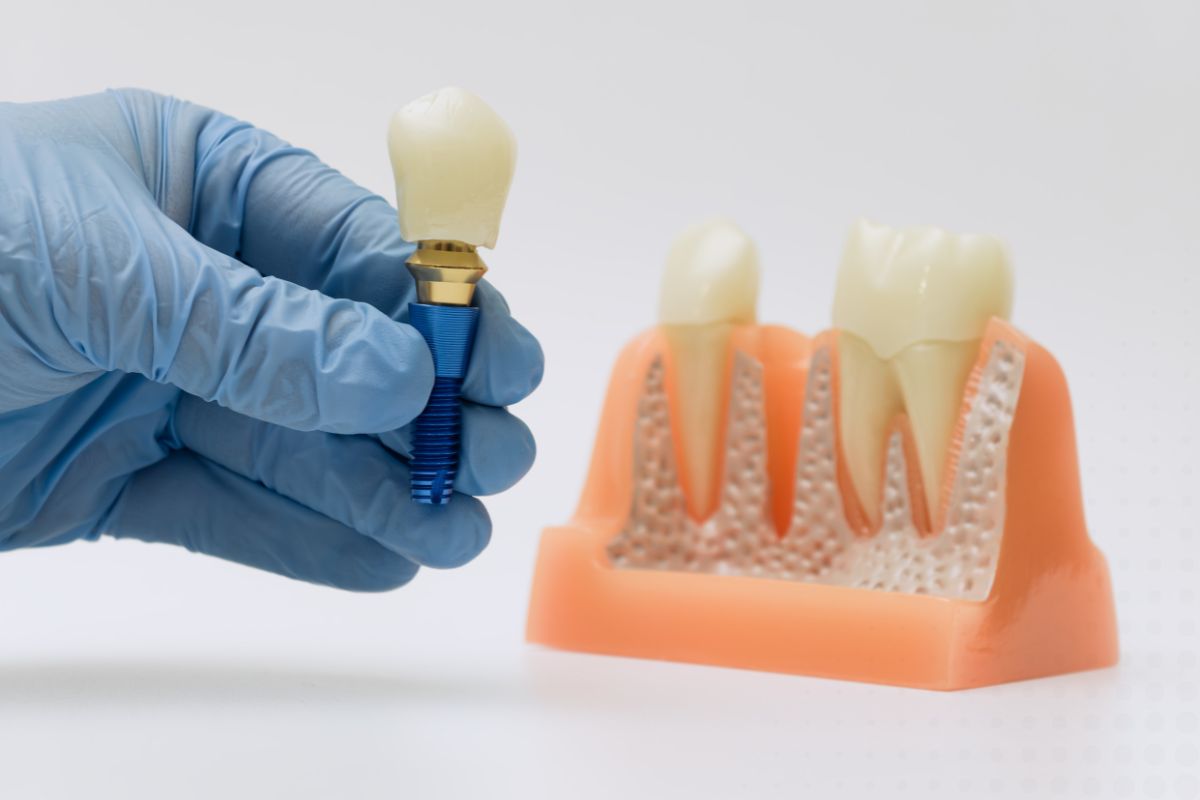
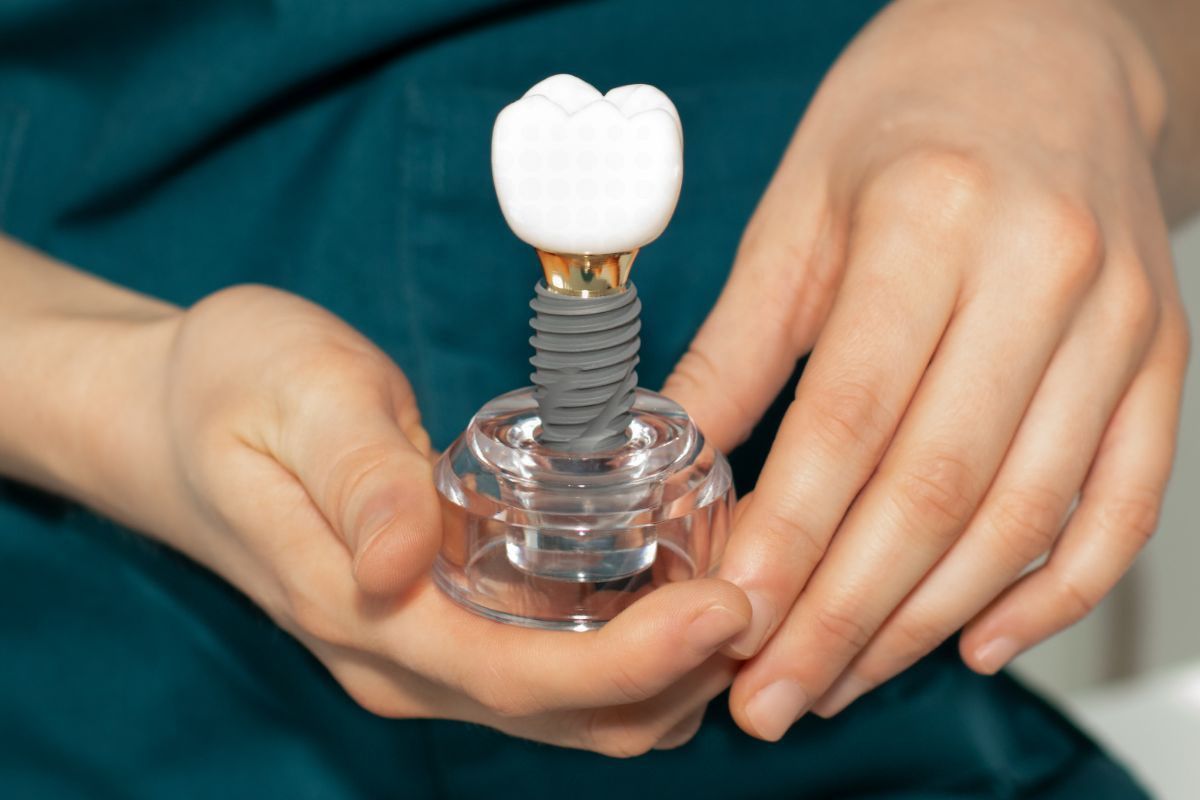
Dental implants replace missing teeth by acting as artificial tooth roots. Dentists place a small titanium post into the jawbone, where it bonds naturally with the bone. After healing, a crown is attached to the post, restoring both function and appearance.
Unlike removable dentures, implants stay fixed in place. As a result, they feel more natural and allow you to eat and speak comfortably. Because of this strong foundation, many patients enjoy them for decades.
Average Dental Implants Life Span
On average, an implant post can last 20 years or even a lifetime with proper care. The crown on top may need replacement after 10–15 years due to normal wear. However, the overall dental implant life span depends heavily on daily habits, oral health, and professional care.
At this stage, it helps to understand that longevity does not rely on one single factor. Instead, multiple elements work together to determine how long dental implants will last for each person.
After evaluating these factors with patients at Affinity Dental Queen Creek, we often personalize treatment plans. We explain how dental implants can perform long-term when patients follow the right care routine and attend regular checkups.
Key Factors That Affect How Long Dental Implants Last
Several factors influence the durability of implants. Let’s explore them one by one.
1. Oral Hygiene Habits
Good oral hygiene plays a major role in implant success. Plaque buildup around implants can lead to gum inflammation and bone loss.
Healthy habits include:
- Brushing twice daily with a soft toothbrush
- Floss carefully around the implant area
- Using antibacterial mouthwash
When you maintain clean gums, you significantly improve the dental implants life span.
2. Quality of Jawbone and Bone Health
A strong jawbone supports the implant securely. Dentists evaluate bone density before treatment to ensure proper support.
Bone health depends on:
- Overall nutrition
- Calcium and vitamin D intake
- Absence of advanced bone loss
If bone density is low, bone grafting can improve implant stability and long-term success.
3. Lifestyle Choices
Your lifestyle directly affects how long dental implants will last. Smoking, for example, reduces blood flow to the gums and slows healing.
Factors that may reduce longevity include:
- Smoking or tobacco use
- Excessive alcohol consumption
- Poor diet
On the other hand, a balanced lifestyle supports healing and long-term strength.
4. Bite Force and Teeth Grinding
Excessive pressure can damage both implants and crowns. Teeth grinding, also known as bruxism, places stress on the implant structure.
Dentists often recommend:
- Night guards for grinders
- Bite adjustments if needed
These steps protect the implant and extend its usable life.
5. Implant Placement and Dentist Expertise
Proper placement ensures long-term stability. An experienced dentist plans the angle, depth, and position carefully.
Accurate placement:
- Reduces stress on surrounding bone
- Improves chewing efficiency
- Prevents future complications
This professional precision strongly impacts how long dental implants last.
6. Regular Dental Checkups
Routine visits allow early detection of minor issues before they become serious.
During checkups, dentists:
- Monitor gum health
- Check bone stability
- Clean hard-to-reach areas
Consistent care helps protect your investment and maximize the dental implants life span.
How Dental Implants Compare to Other Tooth Replacement Options
Compared to bridges or dentures, implants offer superior durability.
Dental bridges often last 10–15 years and rely on nearby teeth for support.
Dentures may need frequent adjustments and replacements.
In contrast, implants stand independently and preserve jawbone structure. This advantage explains why many patients choose them as a long-term solution.
Signs That an Implant Needs Attention
Although implants last a long time, problems can occur if warning signs appear.
Watch for:
- Gum swelling or bleeding
- Persistent discomfort
- Loosening of the crown
Early treatment prevents further damage and protects overall oral health.
Tips to Extend the Life of Your Dental Implants
You can actively increase your longevity by following these simple steps:
- Maintain daily oral hygiene
- Avoid chewing on ice or hard objects
- Wear protective appliances if recommended
- Attend regular dental visits
These habits support both comfort and durability.
Frequently Asked Questions
1. How long do dental implants usually last?
Dental implants can last 20 years or longer, and in many cases, they last a lifetime. The implant post placed in the jawbone is designed for long-term use. However, the crown on top may need replacement after 10–15 years due to normal wear.
2. What factors can shorten the life span of dental implants?
Several factors can reduce the life span of dental implants, including poor oral hygiene, smoking, untreated gum disease, teeth grinding, and irregular dental checkups. Maintaining healthy habits significantly improves long-term success.
3. Do dental implants require special care to last longer?
Dental implants do not require special care, but they do need consistent oral hygiene. Brushing, flossing, and routine dental visits help prevent infection around the implant and support long-lasting results.
4. Can dental implants fail after many years?
Yes, dental implants can fail if bone loss, infection, or excessive bite pressure occurs over time. However, regular monitoring by a dentist helps detect early signs and prevent serious complications.
5. Are dental implants more durable than bridges or dentures?
Yes, dental implants are more durable than bridges or dentures because they fuse with the jawbone. This strong foundation allows them to last longer and function more like natural teeth when properly maintained.
So, how long do dental implants last? With proper care, healthy bone support, and regular professional maintenance, they can serve you reliably for decades. Dental implants life span often surpasses other tooth replacement options, which makes them a trusted long-term solution for many patients in Queen Creek.
At Affinity Dental Queen Creek, we take a personalized approach to implant care by focusing on your comfort, oral health, and long-term results. If you’re considering implants or want to protect an existing one, visit our dental office or schedule an appointment and take the next step toward a confident, healthy smile.