Dental implants have changed the way missing teeth are replaced. They offer a stable, natural-looking solution that restores both function and appearance. Despite their success, many people still hesitate to consider them. The hesitation often comes from common myths that create unnecessary fear or confusion.
Understanding what is true and what is not can make a significant difference in how you approach your dental health decisions. When you rely on accurate information, it becomes easier to choose a treatment that supports your long-term oral health and daily comfort.
At Affinity Dental Queen Creek, we believe clear and accurate information helps you make confident decisions about your smile. Dr. Kelly B. Wettstein and Dr. Payton Harker focus on restoring both function and appearance with solutions that blend naturally with your teeth. If you are exploring long-term tooth replacement options, understanding the facts about implants is the first step.
Debunking the Most Common Myths About the Implant Treatment
Many patients considering dental implants, delaying treatment because of outdated assumptions or misinformation. Let’s address the most common myths so you can make an informed decision about your oral health.
Myth 1: The Procedure Is Painful
Pain is one of the biggest concerns people have when thinking about implants. It is natural to feel cautious about any procedure involving the jaw. However, the actual experience is far more manageable than most people expect.
Implant placement is performed under local anesthesia. This means the area is completely numbed, and you remain comfortable throughout the procedure. Many patients compare the experience to having a routine filling or extraction.
After the procedure, mild soreness or swelling may occur. This is a normal part of healing and usually lasts only a few days. Over-the-counter medication is often enough to manage this discomfort.
Modern dental techniques also play a major role in reducing discomfort. With improved planning tools and precise placement methods, the procedure is more efficient and less invasive than it was in the past.
Myth 2: Implants are Often Assumed to be Only for Older Adults.
Another common misunderstanding is that implants are only suitable for older individuals. In reality, age is not the deciding factor.
Implants are a solution for any adult who has missing teeth and meets the necessary oral health conditions. Tooth loss can happen at any stage of life due to injury, decay, or other dental concerns.
What matters more than age is the condition of your gums and jawbone. Healthy gum tissue and sufficient bone support are essential for successful implant placement.
Younger adults who have experienced tooth loss can benefit from implants just as much as older patients. At the same time, older adults often choose implants to restore chewing ability and improve their quality of life.
A proper consultation helps determine whether implants are a suitable option based on your individual needs.
Myth 3: Implants Require Special Care
Some people assume that implants require complicated maintenance routines. This belief often discourages them from considering the treatment.
In reality, implants are designed to function like natural teeth. The care routine is simple and familiar.
You should:
- Brush your teeth twice a day
- Floss daily
- Visit your dental office regularly for cleanings and exams
These basic habits help maintain both your natural teeth and implants.
While implants do not develop cavities, the surrounding gum tissue still needs attention. Regular check-ups allow your dental provider to monitor your oral health and ensure everything remains stable.
When maintained properly, implants can continue to function effectively for many years without requiring special care products or complex routines.
Myth 4: Implants Aren’t as Strong as Natural Teeth
Some patients believe implants are fragile or less reliable than natural teeth. This is not accurate.
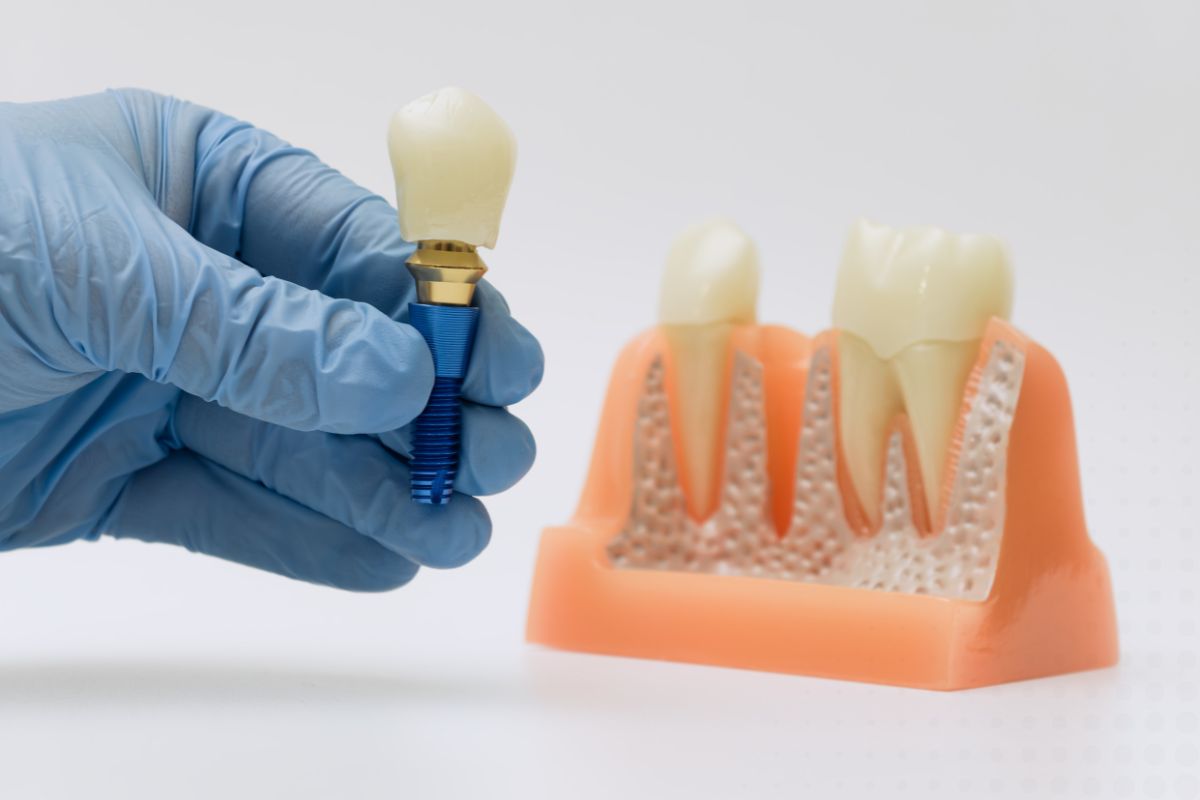
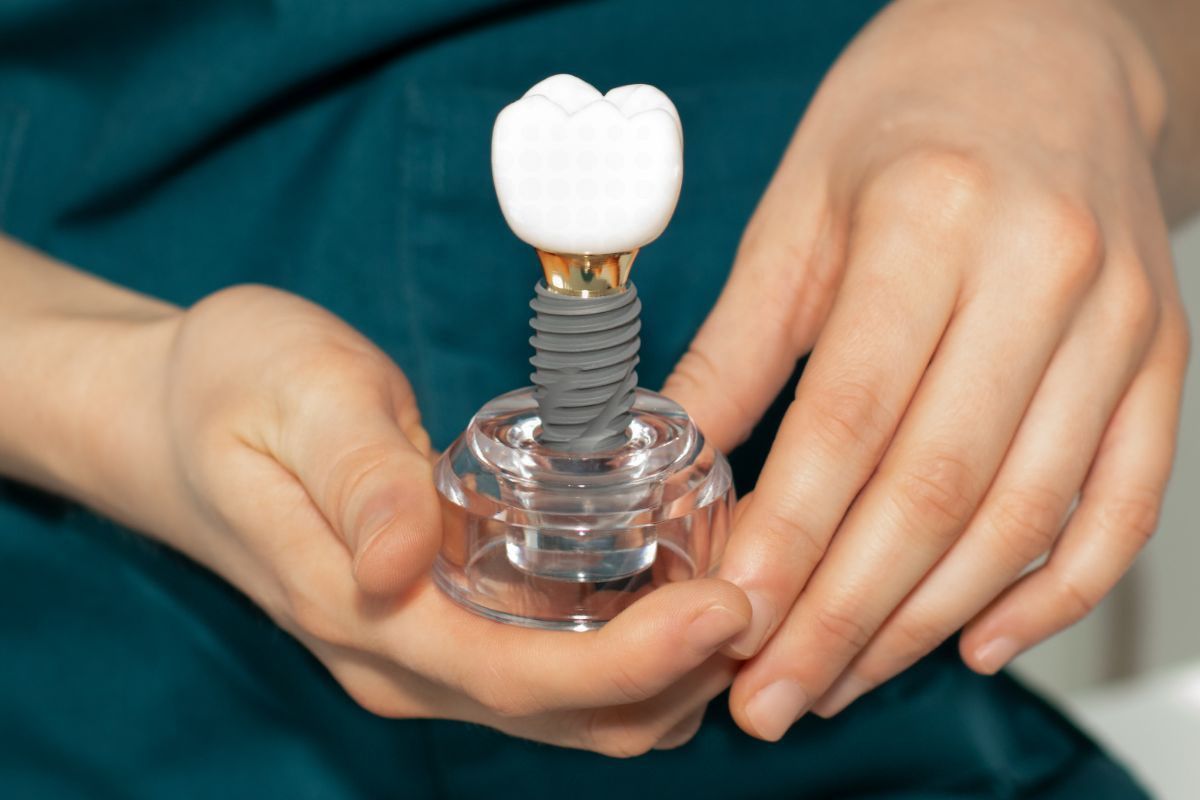
Dental implants are made from titanium, a material known for its strength and durability. Titanium is widely used in medical procedures because it integrates well with the human body.
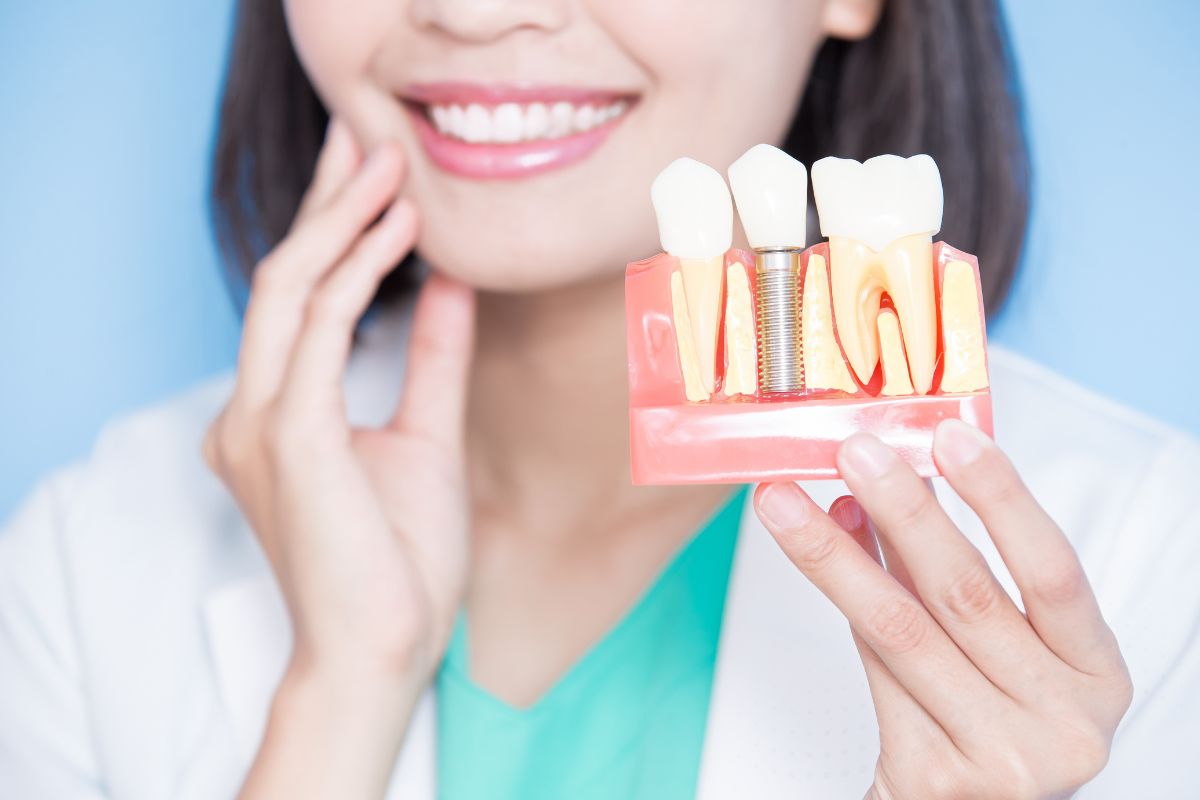
Once placed, the implant bonds with your jawbone through a process called osseointegration. This creates a strong and stable foundation that supports daily functions such as chewing and speaking.
Unlike removable dentures, implants remain fixed in place. This stability allows you to eat comfortably and speak with confidence.
In many situations, implants provide more consistent support than traditional tooth replacement options. They do not shift or rely on adjacent teeth for support, which helps maintain overall oral structure.
Myth 5: The Procedure Takes Too Long
Time is another factor that often discourages patients from choosing implants. While it is true that the full treatment process includes healing time, it is important to understand why this timeline exists.
The implant placement itself is usually completed in a single visit. After placement, your jawbone needs time to integrate with the implant. This healing phase is essential for long-term stability.
Although this process may take a few months, it ensures that the final result is secure and durable. Rushing this step could compromise the success of the treatment.
Follow-up visits are scheduled to monitor healing and prepare for the final restoration. Once complete, the result is a fully functional tooth replacement that blends naturally with your smile.
When viewed from a long-term perspective, the time invested in the process supports a more reliable outcome.
Myth 6: Dental Implants Can Be Rejected by the Body
Many people worry that their body might reject an implant. This concern often comes from confusion with organ transplant procedures.
Implants are made from biocompatible titanium, which is widely accepted by the body. Instead of being rejected, the implant typically integrates with the bone.
In rare cases, complications can occur. These are usually linked to factors such as infection, smoking, or insufficient bone support. With proper planning and care, these risks can be minimized.
Dental professionals evaluate your oral health before starting treatment to reduce the chances of complications. If additional support is needed, procedures such as bone grafting can help create a suitable foundation.
Overall, this treatment has a high success rate when placed under the right conditions.
Think Implants Aren’t for You? Book a Consultation
Choosing the right solution for missing teeth requires clear information and professional guidance. Implants continue to be one of the most effective options for restoring both function and appearance.
Patients in Queen Creek looking for a lasting solution often find that implants provide the stability and confidence they need in daily life. With proper care, they can support your oral health for many years.
Ready to restore your smile? Schedule a consultation today at Affinity Dental Queen Creek to find out how dental implants can improve your smile and quality of life.