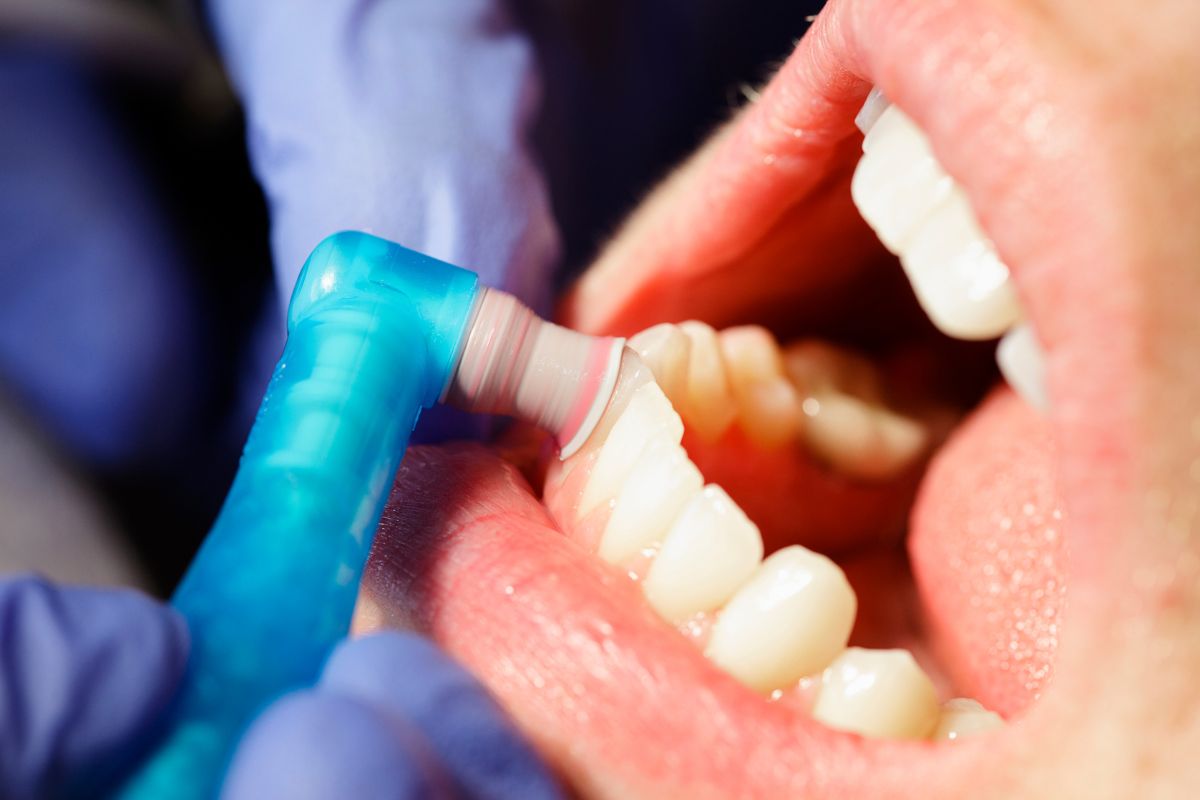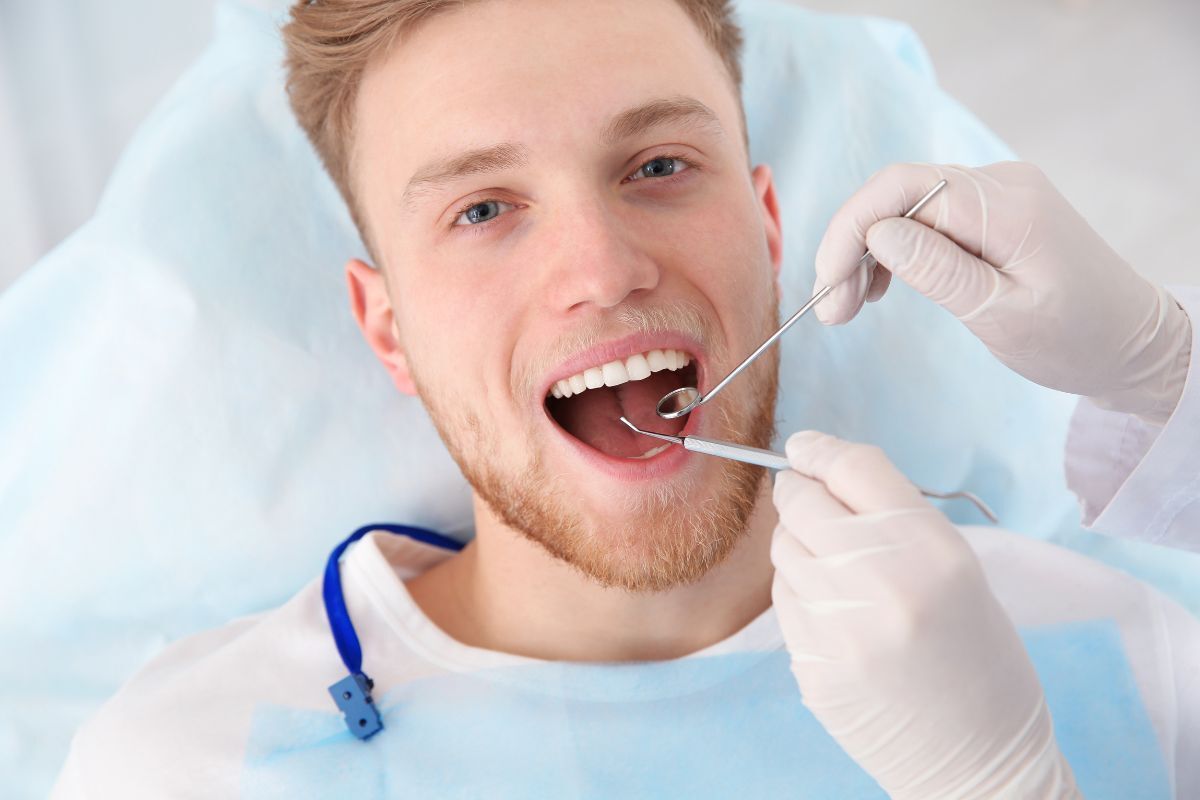

When someone thinks of bad teeth, images of severe discoloration, crooked smiles, or even broken or missing teeth might come to mind. Unfortunately, many people struggle with dental problems that impact not only their appearance but also their confidence and overall health. The good news is that modern dentistry has made remarkable advances, and what might have been considered “unfixable” can now be treated effectively, restoring functionality and aesthetics.
Whether your concerns are purely cosmetic or linked to more serious issues like decay or trauma, a range of solutions is available. Let’s explore what options exist for those with severe dental problems and how modern cosmetic and restorative dentistry can transform smiles.
Common Causes of Severe Dental Problems
There are various reasons why teeth may become severely damaged, discolored, or misshapen. Some of the most common include:
1. Tooth Decay: The most frequent culprit behind tooth damage. Left untreated, cavities can grow larger, leading to infection, root canal issues, or even tooth loss.
2. Trauma: Accidents, sports injuries, or falls can result in chipped, broken, or missing teeth.
3. Genetics: Some individuals are predisposed to issues such as crooked teeth, enamel defects, or discoloration.
4. Poor Oral Hygiene: Inconsistent brushing and flossing, combined with a lack of professional dental care, can lead to plaque buildup, gum disease, and eventual tooth loss.
5. Diet: Consuming sugary foods, acidic drinks, or tobacco can lead to tooth decay, erosion, and staining.
6. Aging: As we age, teeth naturally wear down and can become discolored or brittle, especially without regular care.
Solutions for Damaged Teeth
1. Tooth Decay and Cavities: Cavities are one of the most common dental problems, and they can range from minor enamel damage to deep decay that threatens the entire tooth. Thankfully, cavities are easily treated when caught early.
- Fillings: If decay is minor, a filling can restore the tooth by removing the decayed portion and filling the cavity with composite material that matches the natural tooth color.
- Root Canals: When decay reaches the pulp (the innermost part of the tooth), a root canal may be necessary. This procedure removes the infected tissue, and the tooth is sealed to prevent further infection.
- Crowns: For teeth that are too damaged for a simple filling, crowns can be used to restore their strength and appearance. A crown is a cap placed over the damaged tooth to protect it and restore its function.
2. Broken or Chipped Teeth: Broken or chipped teeth are often the result of trauma or biting into something hard. These imperfections can range from minor cosmetic issues to serious structural damage. Depending on the severity, several treatments can help:
- Dental Bonding: For minor chips or cracks, dental bonding is an affordable and quick solution. A tooth-colored resin is applied to the damaged area and shaped to blend seamlessly with the rest of the tooth.
- Veneers: For more significant cosmetic issues, veneers can cover the front surface of the tooth, providing a smooth, white finish. Veneers are custom-made shells that are bonded to the front of teeth to improve their appearance.
- Crowns: When a large part of the tooth is missing, a crown may be needed to restore the tooth’s integrity.
3. Misaligned or Crooked Teeth: Misaligned teeth can make you self-conscious about your smile, but they can also lead to problems with chewing, speech, and cleaning. Over time, misalignment can even contribute to gum disease or TMJ issues.
- Braces or Invisalign: Traditional metal braces or clear aligners like Invisalign are excellent options for correcting crooked or crowded teeth. These orthodontic treatments gradually shift teeth into the correct position, improving both function and appearance.
- Veneers: In some cases, veneers can be used to cover minor alignment issues without the need for orthodontic treatment.
4. Discolored Teeth: Stained or discolored teeth can make even the healthiest smiles look dull and unappealing. Several options can help brighten your teeth:
- Professional Teeth Whitening: A dentist can use professional-grade whitening agents to significantly lighten tooth discoloration. This is often a better and faster solution than over-the-counter options.
- Veneers: If stains are resistant to whitening or if discoloration is due to internal damage, veneers can be placed to give teeth a fresh, white appearance.
5. Missing Teeth: Missing teeth can cause a host of issues, from difficulty chewing to bone loss in the jaw. Luckily, several options exist for replacing missing teeth.
- Dental Implants: One of the most popular and durable options, dental implants involve inserting a titanium post into the jawbone, which acts as a replacement root. Once healed, a crown is placed on top of the post, restoring both function and appearance.
- Bridges: If implants aren’t an option, dental bridges can be used to fill the gap left by missing teeth. A bridge uses adjacent teeth as anchors to support a false tooth, or pontic.
- Dentures: For patients missing many or all of their teeth, full or partial dentures can restore the smile. Modern dentures are more comfortable and natural-looking than ever before.
Cosmetic Dentistry for Transforming Smiles
For those seeking to not just repair function but also enhance the aesthetics of their smile, cosmetic dentistry offers a variety of procedures. Whether it’s to correct discoloration, minor misalignments, or simply create a more attractive appearance, cosmetic procedures can have a significant impact.
Veneers and Bonding: These procedures are ideal for those who want a more uniform, polished smile without undergoing extensive orthodontic work or surgery.
Teeth Whitening: Professional whitening treatments can dramatically improve the appearance of stained or yellowed teeth, giving patients a brighter smile.
Gum Contouring: In cases where a “gummy smile” is the issue, gum contouring can reshape the gum line to create a more balanced appearance.
If you’re dealing with severe dental problems, it’s important to consult with a qualified professional who can assess your unique situation and recommend the best course of treatment, whether restorative, cosmetic, or a combination of both. The right care can make a real difference to both your smile and your confidence.
At Affinity Dental in Queen Creek, our team takes a conservative, prevention-focused approach using the latest technology for comfortable, comprehensive care. Schedule your appointment today or call us at (480) 882-2300.