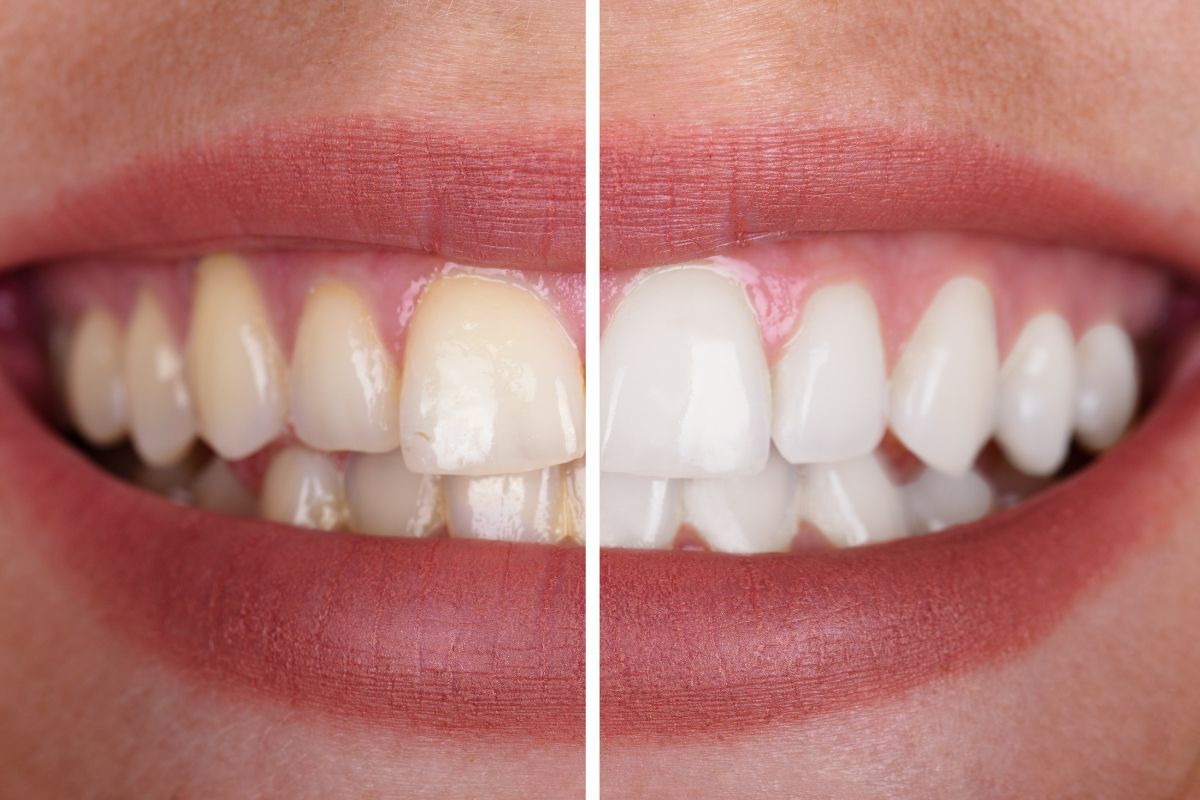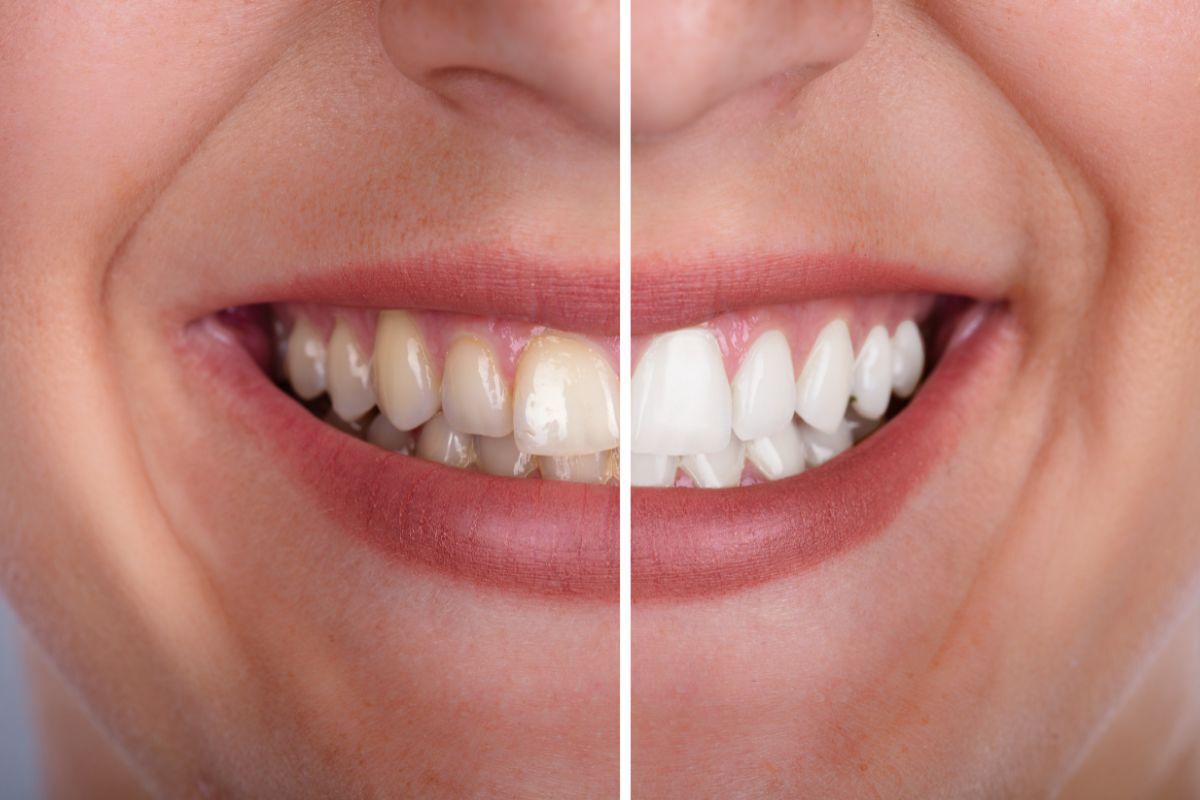

A bright smile can make a lasting impression, but many people wonder — is teeth whitening safe? With countless over-the-counter products and professional treatments available, it’s natural to question whether whitening your teeth could harm your enamel or gums. In this article, our dentist from Affinity Dental Queen Creek explains everything you need to know about the safety of teeth whitening, so you can make an informed choice with confidence.
Understanding How Teeth Whitening Works
Before we discuss whether teeth whitening is safe, let’s understand how it works. Whitening treatments use active ingredients like hydrogen peroxide or carbamide peroxide. These agents break down stains on the tooth surface, helping reveal a brighter, cleaner layer beneath.
There are two main types of whitening:
- Professional Whitening: Done under dental supervision using controlled levels of bleaching agents.
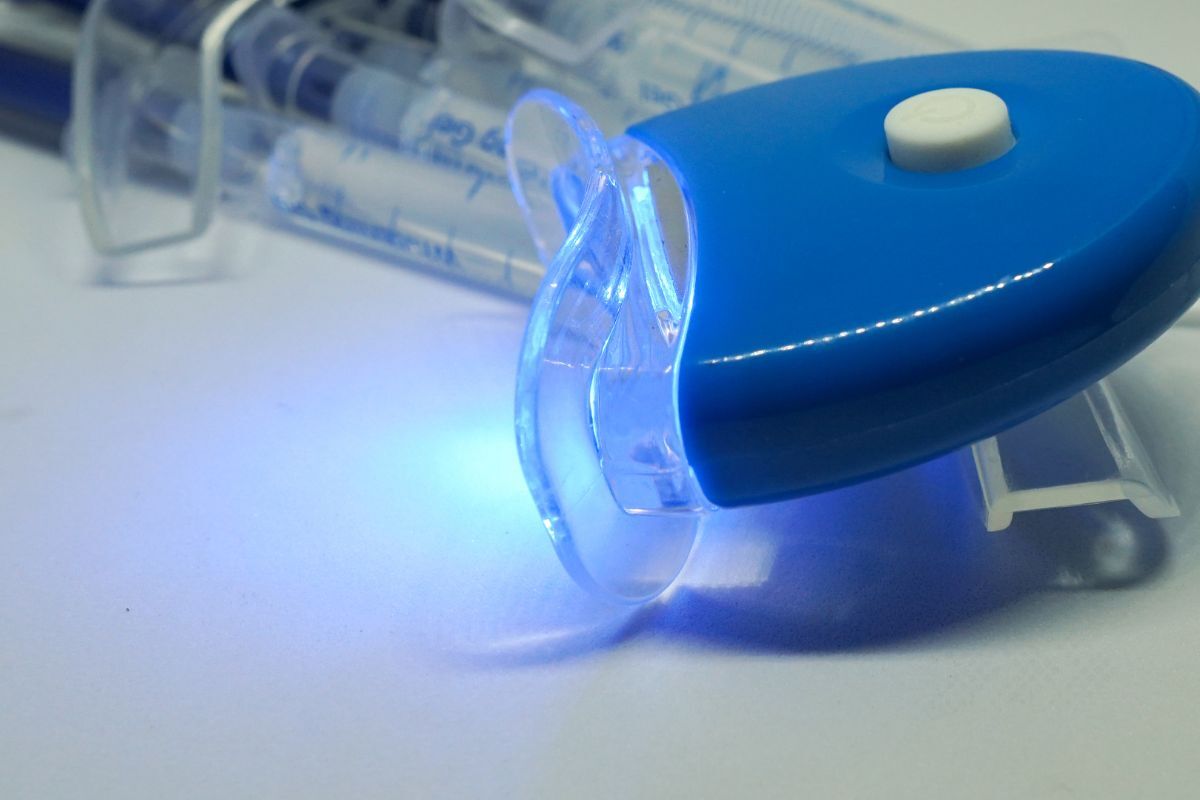
- At-Home Whitening: Includes whitening strips, gels, or toothpaste with lower concentrations of active ingredients.
While both can help lighten teeth, safety and effectiveness depend greatly on how and where the procedure is performed.
Is Teeth Whitening Safe? The Dentist’s Honest Answer
So, is teeth whitening safe for everyone? According to dental professionals, yes — when done correctly and under supervision. Most modern whitening treatments are designed to be gentle on enamel and gums. However, improper or excessive use can lead to temporary sensitivity or irritation.
Here’s what makes whitening safe when done the right way:
- Treatment is tailored to your dental condition.
- Dentists use high-quality, tested materials.
- Protective measures prevent gum irritation.
- The whitening agent is applied for a controlled duration.
On the other hand, misuse of DIY whitening kits can increase the risk of enamel erosion or gum sensitivity. That’s why it’s always best to seek professional guidance before starting any whitening procedure.
What Dentists Check Before Whitening Your Teeth
Before recommending a teeth whitening treatment, dentists perform a complete oral evaluation. At Affinity Dental Queen Creek, we carefully assess your tooth structure, enamel health, and previous dental work such as fillings or crowns.
Here’s what a dentist typically looks for:
- Existing Cavities or Gum Disease: Whitening over decay or infection can worsen the condition.
- Tooth Sensitivity: People with thin enamel may need a gentler formula.
- Dental Restorations: Crowns and veneers do not respond to whitening agents.
This personalized approach ensures your whitening experience is both effective and safe. Professional monitoring minimizes risks and provides long-lasting results that over-the-counter kits often fail to deliver.
Common Myths About Teeth Whitening
There’s no shortage of misinformation about whitening. Let’s debunk some of the most common myths:
Myth 1: Whitening damages enamel.
Truth: Professional whitening does not damage enamel when performed correctly. The peroxide-based gel only targets surface stains, not the tooth structure.
Myth 2: You can use whitening toothpaste daily for faster results.
Truth: Overusing whitening toothpaste can cause sensitivity. Dentists recommend alternating with regular toothpaste.
Myth 3: Natural remedies like lemon or baking soda are safer.
Truth: These can be highly abrasive and may wear down enamel, making teeth more prone to discoloration and sensitivity.
Myth 4: Whitening results last forever.
Truth: Whitening results can fade over time due to lifestyle habits like coffee, tea, or tobacco use. Maintenance sessions help preserve brightness.
Side Effects and How to Avoid Them
Although teeth whitening is safe, mild side effects can occur, especially if the treatment isn’t customized. These usually include:
- Tooth Sensitivity: Temporary discomfort that fades within days.
- Gum Irritation: Minor redness caused by gel contact.
- Uneven Whitening: Often seen if you have dental restorations or unclean plaque.
To prevent these issues:
- Use only dentist-recommended products.
- Avoid eating or drinking staining foods for 24 hours after whitening.
- Follow post-whitening care instructions carefully.
Your dentist may also suggest using a fluoride or desensitizing toothpaste to help strengthen enamel and reduce any temporary sensitivity.
Professional Whitening vs. At-Home Kits
When comparing in-office whitening to over-the-counter kits, the main differences lie in safety, precision, and longevity of results.
| Aspect | Professional Whitening | At-Home Kits |
|---|---|---|
| Supervision | Performed by a dentist | Self-applied |
| Strength | High concentration, controlled use | Low concentration |
| Safety | Monitored to avoid irritation | Risk of overuse or uneven application |
| Results | Immediate, long-lasting | Slower and less predictable |
Professional whitening offers faster, safer, and more uniform results. It’s especially beneficial if you’re preparing for a special event or have sensitive teeth.
How to Maintain Your Bright Smile
Once you’ve achieved your desired brightness, maintaining it is essential. Here are a few dentist-approved tips:
- Brush twice daily with a soft-bristled brush.
- Rinse after consuming coffee, tea, or red wine.
- Quit smoking or tobacco use.
- Schedule regular cleanings and checkups.
- Use touch-up whitening treatments once or twice a year under supervision.
These habits not only keep your smile white but also support long-term oral health.
So, is teeth whitening safe? Absolutely — as long as it’s done by professionals using approved materials. Whitening can be a safe, effective way to enhance your confidence and appearance when guided by your dentist.
If you’re ready to enjoy a brighter, more radiant smile, visit our dental office at Affinity Dental Queen Creek for a personalized consultation. Our experienced team provides gentle, effective teeth whitening treatments tailored to your unique needs.
Schedule your appointment today and let us help you achieve the confident, glowing smile you deserve!