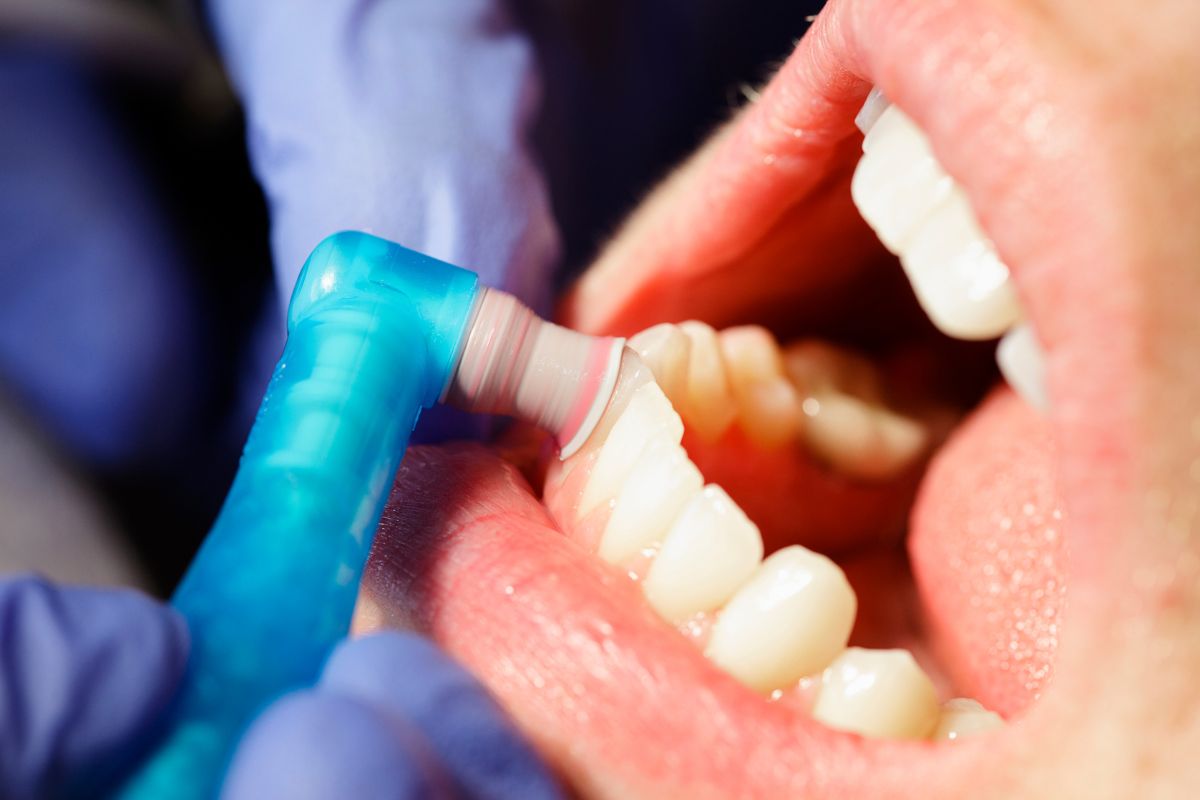

A toothache from a cavity can be more than just an annoyance—it may signal a deeper dental issue. Ignoring the pain can lead to severe complications, including infections or tooth loss. If you’re experiencing discomfort, it’s essential to recognize the signs and seek help from a dentist before the condition worsens.
Common Signs That Your Toothache is from a Cavity
Toothaches can have several causes, but cavities are one of the most common. Here are some symptoms that indicate a cavity might be the culprit:
1. Persistent Tooth Pain
- A cavity often starts as a mild discomfort and gradually worsens.
- Pain may come and go, but it usually intensifies when chewing or biting down.
- If left untreated, the pain can become constant and unbearable.
2. Sensitivity to Hot, Cold, or Sweet Foods
- If your tooth aches when you consume hot coffee, ice cream, or sugary snacks, it could be due to enamel erosion caused by a cavity.
- The sensitivity may feel like a sudden, sharp pain or a lingering ache.
3. Visible Holes or Dark Spots on Your Teeth
- Cavities cause decay, leading to small pits or holes in the teeth.
- You may also notice brown, black, or white spots on the affected area.
- If you can see or feel a hole, it’s time to visit a dentist in Queen Creek for an evaluation.
4. Bad Breath or a Bad Taste in Your Mouth
- Bacteria buildup in cavities can lead to persistent bad breath.
- A lingering unpleasant taste, even after brushing, could indicate decay.
Why You Shouldn’t Ignore a Toothache from a Cavity
Ignoring a cavity-related toothache can have serious consequences. Delaying treatment might lead to:
- Tooth Infections: Bacteria can reach the tooth’s inner pulp, causing severe pain and requiring a root canal.
- Gum Disease: Untreated cavities can affect gum health, leading to swelling, bleeding, and possible tooth loss.
- Spreading Decay: A cavity left unchecked can spread to neighboring teeth, causing more damage and requiring extensive treatment.
When to See a Dentist
If you experience any of the above symptoms, it’s essential to see a dentist as soon as possible. Early intervention can prevent more serious dental problems and help save your tooth. Here are some signs that require immediate attention:
- Severe, throbbing pain that doesn’t go away
- Swelling in the gums or face
- Difficulty eating or speaking due to pain
- Pus or discharge around a tooth
How Cavities Are Treated
Dentists offer various treatment options depending on the severity of the cavity:
- Fluoride Treatment: Helps reverse early-stage cavities.
- Dental Fillings: Used for small to moderate cavities.
- Root Canal Therapy: Necessary when decay reaches the tooth’s nerve.
- Tooth Extraction: Performed if the tooth is too damaged to be saved.
Preventing Cavities and Toothaches
To keep your teeth healthy and avoid painful cavities:
- Brush twice daily with fluoride toothpaste.
- Floss regularly to remove plaque between teeth.
- Limit sugary and acidic foods.
- Visit your dentist for regular checkups and cleanings.
- Drink plenty of water to maintain good oral health.
Final Thoughts
A toothache from a cavity should never be ignored. Recognizing the warning signs early and seeking prompt care from a dentist can prevent complications and keep your smile healthy. If you’re experiencing any of these symptoms, don’t wait—schedule an appointment with our Queen Creek based dental office today. At Affinity Dental Queen Creek, we are dedicated to providing top-quality dental care to help you maintain a pain-free and healthy smile.