Dental implants are a dependable and long-lasting solution for missing teeth, but being aware of the signs of dental implant failure is crucial for protecting your investment and your oral health. Catching these signs early allows you to take action before the problem worsens. Whether you’re planning to get implants or have already had them placed, this guide will help you know what to look out for.
Why Monitoring Your Implants Matters
At Affinity Dental Queen Creek, we believe patient education is a key part of long-term dental success. While implants have a high success rate, some patients may experience early signs of trouble. Knowing what those signs are can help you respond quickly and avoid more serious issues.
1. Persistent Pain or Discomfort
Some discomfort is normal after surgery, but if the pain lasts for several weeks or suddenly gets worse, it may signal a problem. Ongoing pain could point to infection, nerve damage, or improper healing. It’s important to let your dentist know if the pain becomes sharp, throbbing, or spreads to other areas.
2. Swelling and Inflammation
Swelling is common right after implant placement but should go down within a few days. If it continues or worsens, it could be a sign of infection or tissue irritation. Patients at Affinity Dental Queen Creek, seeking dental implants in Queen Creek, should be extra cautious of unusual swelling and always follow their post-surgery care instructions for the best results.
3. Loose or Shifting Implant
A well-placed dental implant should feel just like a natural tooth. If your implant feels loose or moves when you eat or talk, it could mean the implant is not fusing properly with the jawbone. This can lead to dental implant failure if not addressed promptly.
4. Difficulty Chewing
Chewing should become easier after healing, not more difficult. If you’re struggling to chew or feel discomfort when biting down, something may be wrong with the implant’s placement or the surrounding bone support.
5. Gum Recession Around the Implant
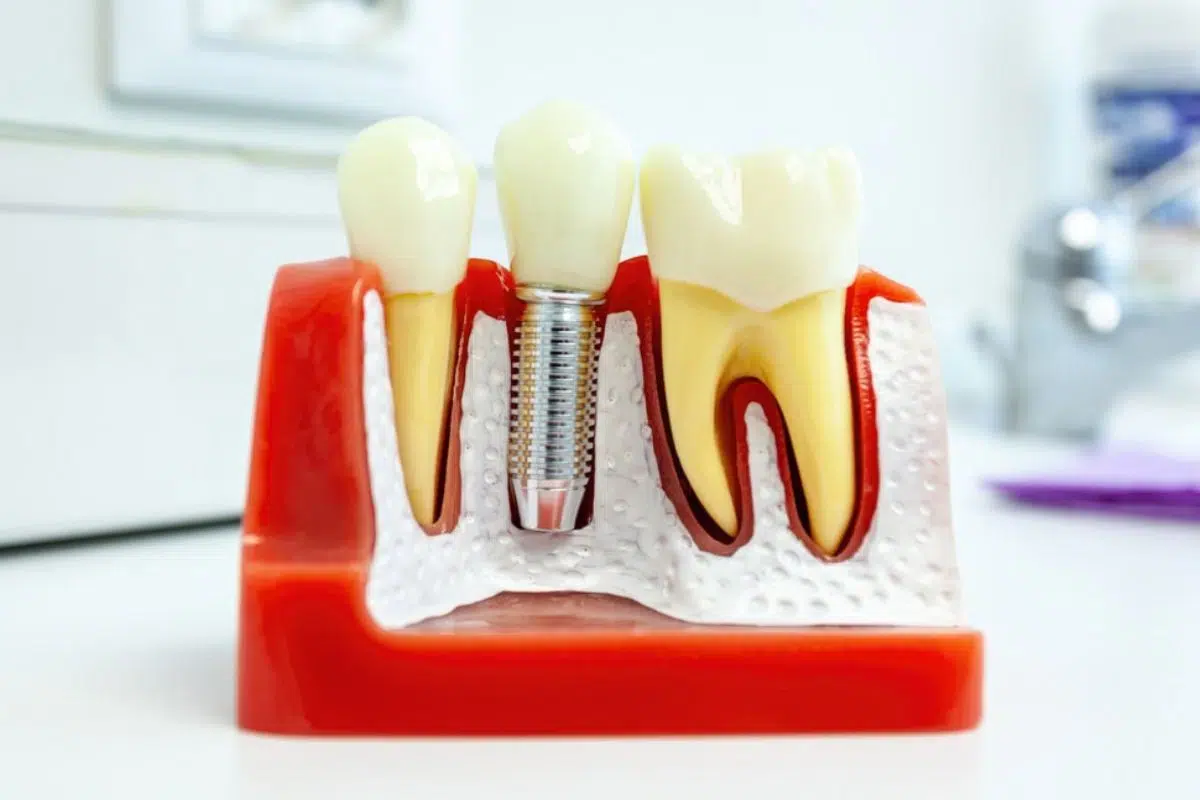
Gums should stay tight around the implant post. If your gums begin pulling back and you notice the metal post becoming visible, this may indicate gum recession. This can expose the implant to bacteria and increase the risk of failure.
6. Signs of Infection (Peri-Implantitis)
Peri-implantitis is a condition similar to gum disease that affects the tissues around an implant. Warning signs include bleeding, pus, bad breath, or a persistent bad taste. If left untreated, this condition can cause bone loss and eventual implant failure.
7. Allergic Reaction or Numbness
Although rare, allergic reactions to titanium (used in many implants) or numbness near the implant site can suggest complications. If you experience tingling or numbness in your gums, lips, or chin, contact your dentist right away.
Conclusion
Being aware of the signs of dental implant failure can save you time, discomfort, and additional procedures. If you notice any unusual symptoms, don’t wait—reach out to your dentist. At Affinity Dental Queen Creek, we’re proud to be a trusted Queen Creek-based dental office for dental implants, offering expert care and long-term support for your smile. Our team is here to help you enjoy lasting results with confidence and peace of mind.