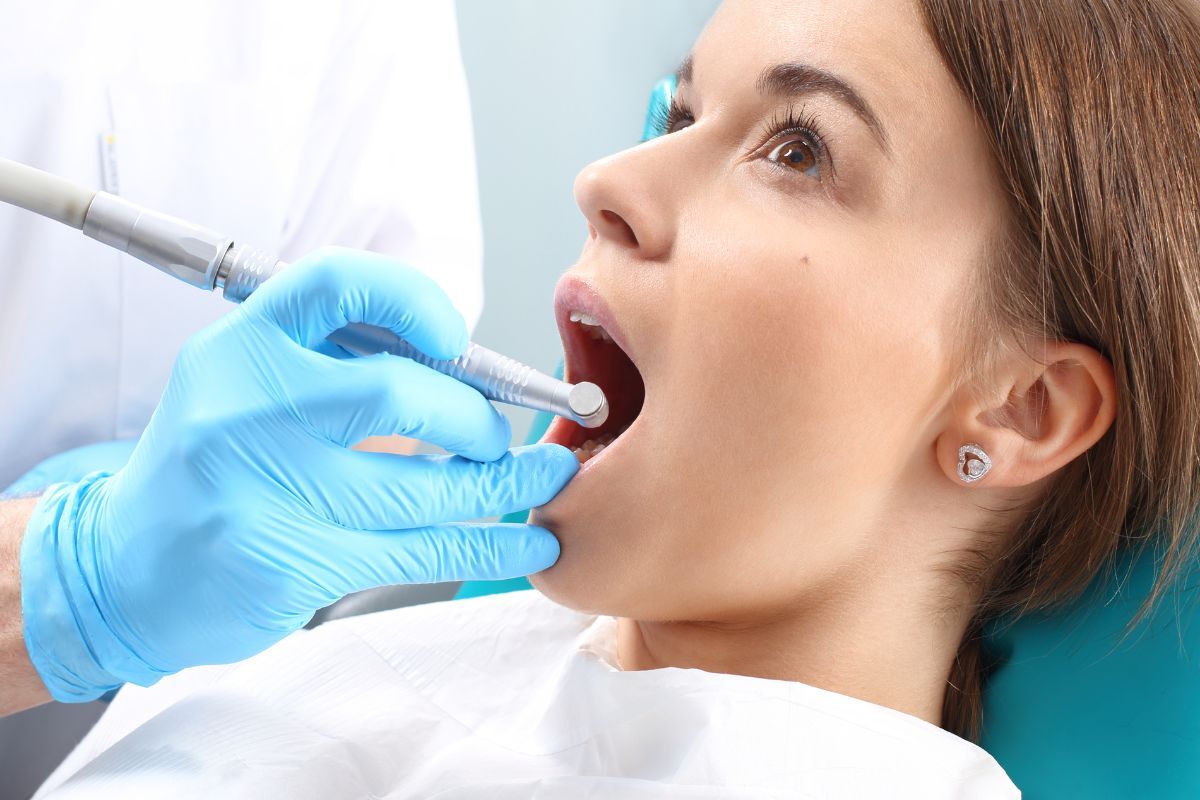

Signs of gum disease can start quietly. You may notice a little blood when brushing, mild swelling around your teeth, or a change in your breath and assume it is nothing serious. At Affinity Dental Queen Creek, patients can receive personalized care designed to identify these changes early and help protect their teeth and gums.
Your gums do more than surround your teeth. They help support and protect the structures that keep your smile healthy. When inflammation or infection develops around the gums, the problem can gradually affect the tissues and bone that support your teeth.
The good news is that early attention can make a meaningful difference. Learning the warning signs and knowing when to seek professional care can help you take action before the problem becomes more difficult to manage.
Why Healthy Gums Matter
Healthy gums typically look firm and fit closely around the teeth. They should not regularly bleed during brushing or flossing, and they should not remain swollen or tender without a clear reason.
Your gums form an important part of your overall oral health. When harmful bacteria and plaque build up along the gumline, they can irritate the surrounding tissues. Without proper care, that irritation may progress and affect deeper supporting structures.
At Affinity Dental Queen Creek, a trusted dentist at the practice can evaluate your gums and help identify concerns before they become more advanced. Dr. Kelly B. Wettstein and Dr. Payton Harker take a personalized approach to patient care, with a focus on prevention, comfort, and informed treatment decisions.
What Can Put Your Gums at Risk?
Several factors can increase the likelihood of developing gum problems, including:
- Inconsistent brushing and flossing
- Plaque buildup
- Tobacco use
- Certain health conditions
- Hormonal changes
- Poor nutrition
- Stress
- Some medications
- Family history
- Skipping routine dental appointments
Having a risk factor does not mean you will develop a serious condition. However, it makes consistent oral care and regular professional evaluations even more important.
Bleeding Gums Are a Warning Sign
One of the most common signs of gum disease is bleeding during brushing or flossing.
You might see a small amount of blood on your toothbrush or notice pink or red saliva when you rinse. Some people ignore this because they think brushing too hard caused it. While aggressive brushing can irritate gum tissue, repeated bleeding deserves attention.
Healthy gums generally should not bleed regularly during routine cleaning.
What Should You Do About Bleeding?
Do not automatically stop brushing or flossing because you see blood. Instead, use a gentle technique and pay attention to whether the bleeding continues.
You should also tell your dental team about recurring bleeding. A professional evaluation can help determine whether plaque buildup, inflammation, brushing technique, or another issue may contribute to the problem.
Red, Swollen, or Tender Gums
Healthy gum tissue usually feels comfortable during normal brushing and eating. If your gums look red, swollen, or puffy, your mouth may be showing an early warning sign.
You might notice swelling:
- Around one tooth
- Along several areas of the gumline
- Between your teeth
- Near existing dental work
- Throughout your mouth
Occasional irritation can happen for different reasons. However, swelling that persists or repeatedly returns deserves professional attention.
Why Swelling Matters
Inflammation develops when the body’s tissues respond to irritation. Plaque and bacteria around the gumline can trigger this response.
If you leave the underlying cause untreated, inflammation may continue and become harder to control. Therefore, do not rely on waiting for the swelling to disappear if it keeps coming back.
Persistent Bad Breath or a Bad Taste
Everyone experiences temporary bad breath from time to time. Certain foods, dry mouth, and other everyday factors can cause unpleasant breath.
However, persistent bad breath or a bad taste in your mouth may sometimes point to an oral health concern.
Bacteria can collect around the gumline and contribute to unpleasant odors. If brushing, flossing, drinking water, and cleaning your tongue do not improve the problem, talk with your dental team.
When Bad Breath Needs Attention
Consider an evaluation if:
- Bad breath continues despite regular oral hygiene.
- You frequently notice a bad taste.
- Other gum symptoms occur at the same time.
- Your gums bleed when you clean your teeth.
- Your mouth feels sore or swollen.
- You have not had a recent dental checkup.
The goal is not simply to cover up the odor. Your dentist can help identify what may be causing it.
Gums That Pull Away From Your Teeth
Another warning sign involves changes in how your gums look around your teeth.
When gum tissue recedes, more of the tooth can become visible. You may feel that your teeth look longer than before or notice exposed areas near the gumline.
Receding gums can occur for several reasons. Gum inflammation, aggressive brushing, tobacco use, and other factors may contribute.
Why Gum Recession Matters
The roots of your teeth do not have the same thick enamel covering found on the visible crowns. As a result, exposed root surfaces can become more vulnerable to sensitivity and other concerns.
If you notice changes around your gumline, do not try to correct the problem by brushing harder. Instead, discuss the change with your dentist.
Tooth Sensitivity
Sensitivity to hot or cold foods and drinks can have several causes. However, gum recession can expose areas of the tooth that normally remain protected.
You may experience:
- A sharp sensation when drinking cold water
- Discomfort while eating ice cream
- Sensitivity to hot coffee or tea
- Discomfort near the gumline
- Sensitivity that affects one or more teeth
Sensitivity does not automatically mean you have a gum problem. Cavities, enamel wear, cracks, and other dental concerns can cause similar symptoms.
That is why a professional evaluation matters.
Pain While Chewing
Pain or discomfort while chewing should not become something you simply accept.
Gum problems can sometimes cause tenderness around the teeth, but chewing pain can also result from cavities, cracked teeth, bite problems, or other conditions.
If you experience recurring discomfort when eating, tell your dentist exactly where the pain occurs and what triggers it.
Pay Attention to Changes
Try to notice:
- Which tooth or area hurts
- Whether the pain occurs with hard or soft foods
- Whether pressure causes discomfort
- Whether the pain continues after eating
- Whether swelling or bleeding occurs with it
These details can help your dental team understand your symptoms.
Loose or Shifting Teeth
Adult teeth should not suddenly become loose without a reason.
Advanced problems affecting the structures around the teeth can compromise the support that keeps teeth stable. You might notice movement when eating, brushing, or touching a tooth with your tongue.
You may also notice that your teeth seem to have shifted or that the way your upper and lower teeth meet feels different.
If you notice movement or unexpected changes in your bite, seek professional evaluation promptly.
Changes in the Way Your Teeth Fit Together
Your bite can change gradually, so you may not notice the difference immediately.
However, if your teeth suddenly feel different when you close your mouth, or if certain teeth make contact differently than before, mention it to your dentist.
Changes in tooth position can have several possible causes. Your dental team can evaluate your bite and supporting tissues to determine what may be happening.
Pus, Persistent Swelling, or Gum Abscesses
Pus around the gums is not a normal finding. It can indicate an infection that needs professional attention.
You may notice:
- A pimple-like bump near a tooth
- Pus around the gumline
- Swelling in one area
- Bad taste
- Persistent tenderness
- Facial swelling
Do not squeeze or attempt to drain an area yourself. Contact your dental team so they can evaluate the problem and recommend appropriate care.
If you develop significant facial swelling, difficulty breathing or swallowing, or other severe symptoms, seek urgent medical attention.
What Causes Gum Problems?
Plaque plays an important role in many gum concerns. This sticky bacterial film can develop on teeth throughout the day.
When you brush and floss, you remove plaque from areas you can reach. However, missed areas can allow buildup to remain along the gumline.
Over time, plaque can contribute to inflammation. If buildup hardens into tartar, regular brushing cannot remove it completely. Professional dental cleaning can help remove deposits that remain after home care.
Daily Habits Matter
Your everyday routine can support healthier gums.
Focus on:
- Brushing twice a day
- Cleaning between your teeth daily
- Using fluoride toothpaste
- Cleaning along the gumline gently
- Limiting tobacco exposure
- Eating a balanced diet
- Drinking enough water
- Keeping regular dental appointments
Small habits can make a big difference when you follow them consistently.
How Your Dentist Can Check Your Gums
A dental evaluation can help identify changes that you may not notice at home.
Your dentist can examine your gums, teeth, and surrounding tissues while considering your symptoms and dental history. Depending on your needs, your dental team may also use diagnostic tools to gain a clearer view of your oral health.
Affinity Dental Queen Creek offers general dentistry services that include gum infection therapy, digital dental X-rays, and intraoral cameras. The practice also emphasizes prevention and a conservative approach to treatment.
Dr. Kelly B. Wettstein brings experience in general dental care and areas including implant dentistry and Invisalign. Dr. Payton Harker provides preventive, restorative, and cosmetic dental care and is known for his calm manner and attention to detail.
This personalized approach helps your dental team consider your specific symptoms instead of assuming that every patient needs the same type of care.
Can Gum Problems Be Prevented?
You cannot control every factor that affects your oral health, but you can reduce your risk with consistent care.
Build a Simple Gum Care Routine
Try to make these steps part of your daily routine:
- Brush your teeth twice a day.
- Clean between your teeth every day.
- Use gentle pressure while brushing.
- Replace your toothbrush when the bristles become worn.
- Avoid tobacco products.
- Drink water regularly.
- Maintain a balanced diet.
- Attend regular dental checkups and cleanings.
- Tell your dentist about unusual changes.
- Follow recommended treatment plans.
Prevention becomes much easier when you make these habits part of your normal day.
When Should You See a Dentist?
You do not need to wait until your gums hurt before seeking care. In fact, early evaluation can help identify problems while they remain easier to manage.
Schedule an evaluation if you notice:
- Repeated bleeding during brushing or flossing
- Red or swollen gums
- Persistent bad breath
- Gum recession
- Tooth sensitivity
- Pain while chewing
- Loose or shifting teeth
- Changes in your bite
- Pus around the gums
- Persistent soreness or swelling
Even if you are unsure whether a symptom matters, it is reasonable to ask your dental team.
Why Regular Dental Visits Matter
Your home routine forms the foundation of good oral hygiene, but professional care adds another layer of protection.
During regular appointments, your dental team can monitor your teeth and gums, identify changes, provide professional cleanings, and recommend treatment when necessary.
Affinity Dental Queen Creek states that many patients benefit from checkups every six months, while some patients with specific periodontal needs may need visits every three to four months. Your recommended schedule should reflect your individual oral health needs.
Regular care also gives you a chance to discuss changes before they become major concerns.
Final Thoughts on Signs of Gum Disease
Knowing the signs of gum disease can help you recognize changes that deserve attention. Bleeding, swelling, redness, persistent bad breath, gum recession, sensitivity, chewing discomfort, loose teeth, and unusual changes around your gums should not become symptoms you simply ignore.
At the same time, these signs can have different causes. Only a professional evaluation can determine what is happening in your mouth and what treatment, if any, you may need.
Taking action early can help protect your gums, teeth, and overall oral health. If you are noticing changes in your gums or have concerns about your oral health, schedule your appointment with Affinity Dental Queen Creek to receive personalized care from Dr. Kelly B. Wettstein or Dr. Payton Harker.