
Teeth grinding, or bruxism can have various causes, from stress to misaligned teeth. Seeking guidance from a dentist is crucial, but there are strategies you can adopt to manage and alleviate this common issue. In this comprehensive guide, we explore nine super strategies to help you overcome teeth grinding and promote better oral health.
1. Identify and Manage Stress
Stress is a significant contributor to teeth grinding. Recognizing stress triggers and adopting stress-management techniques, such as meditation or yoga, can reduce the likelihood of grinding your teeth unconsciously.
2. Establish a Relaxing Bedtime Routine
Creating a calming bedtime routine can signal your body that it’s time to unwind. Incorporate activities like reading or listening to soothing music to relax your mind and minimize the likelihood of teeth grinding during sleep.
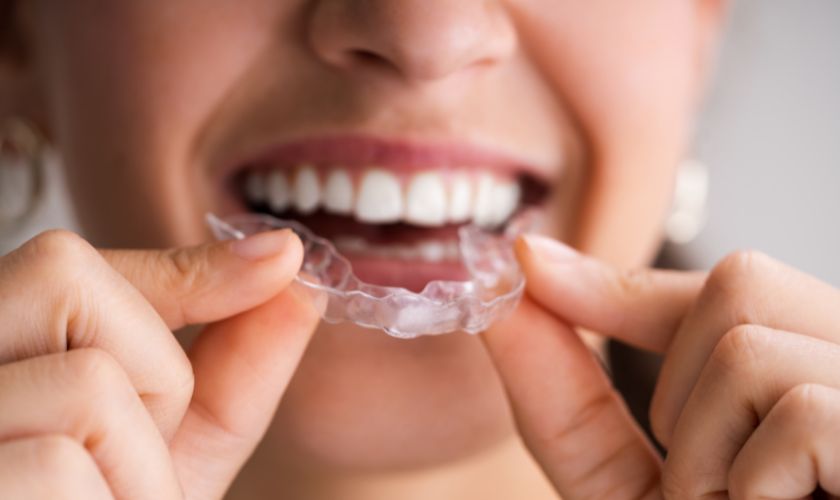
3. Invest in a Night Guard
A nightguard, custom-fitted by your dentist in Queen Creek, serves as a protective barrier between your upper and lower teeth. Wearing a nightguard can prevent the damaging effects of grinding and alleviate associated jaw pain.
4. Limit Stimulants Before Bed
Avoiding stimulants like caffeine and nicotine in the hours leading up to bedtime can contribute to better sleep quality and reduce the likelihood of teeth grinding during the night.
5. Stay Hydrated
Dehydration can exacerbate teeth grinding. Ensure you stay adequately hydrated throughout the day to support overall oral health and minimize the effects of grinding.
6. Practice Jaw-Relaxation Exercises
Engage in simple jaw-relaxation exercises to alleviate tension. Massaging your jaw muscles and incorporating stretching exercises can promote relaxation and reduce the tendency to grind your teeth.
7. Adjust Your Sleep Position
Sleeping on your back can help align your jaw and reduce the pressure on your teeth, potentially minimizing the impact of grinding. Experiment with different sleep positions to find what works best for you.
8. Evaluate and Adjust Your Diet
Certain foods and beverages, such as alcohol and foods high in sugar, can contribute to teeth grinding. Evaluate your diet and adjust it to include nutrient-rich foods supporting overall dental health.
9. Regular Dental Check-ups
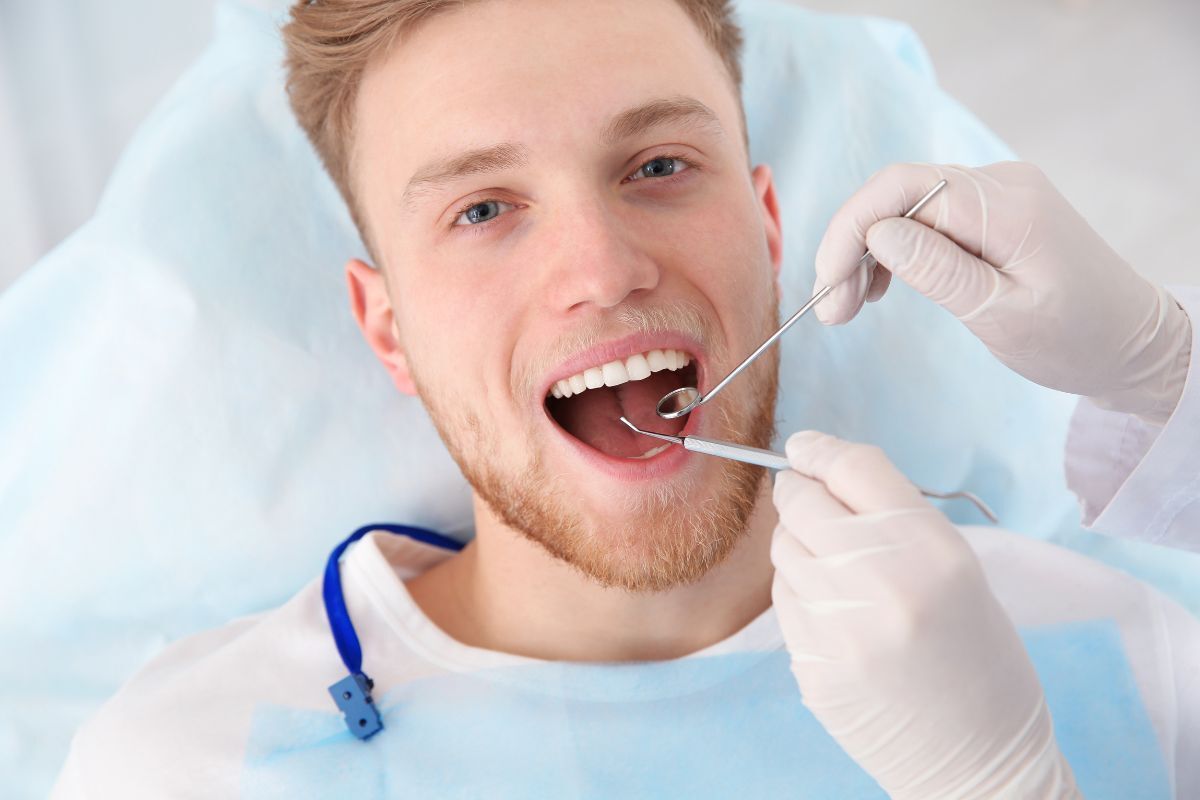
Schedule regular check-ups with your dentist to monitor the effects of teeth grinding on your oral health. Your dentist can provide insights, recommend treatments, and assess the need for interventions such as orthodontic adjustments.
In conclusion, overcoming teeth grinding involves a combination of lifestyle adjustments, relaxation techniques, and professional guidance from your dentist in Queen Creek. By incorporating these super strategies into your routine, you can take proactive steps to manage teeth grinding and promote optimal oral health. If you’re experiencing persistent issues, consult with your dentist for personalized advice and a comprehensive approach to address the underlying causes of bruxism.