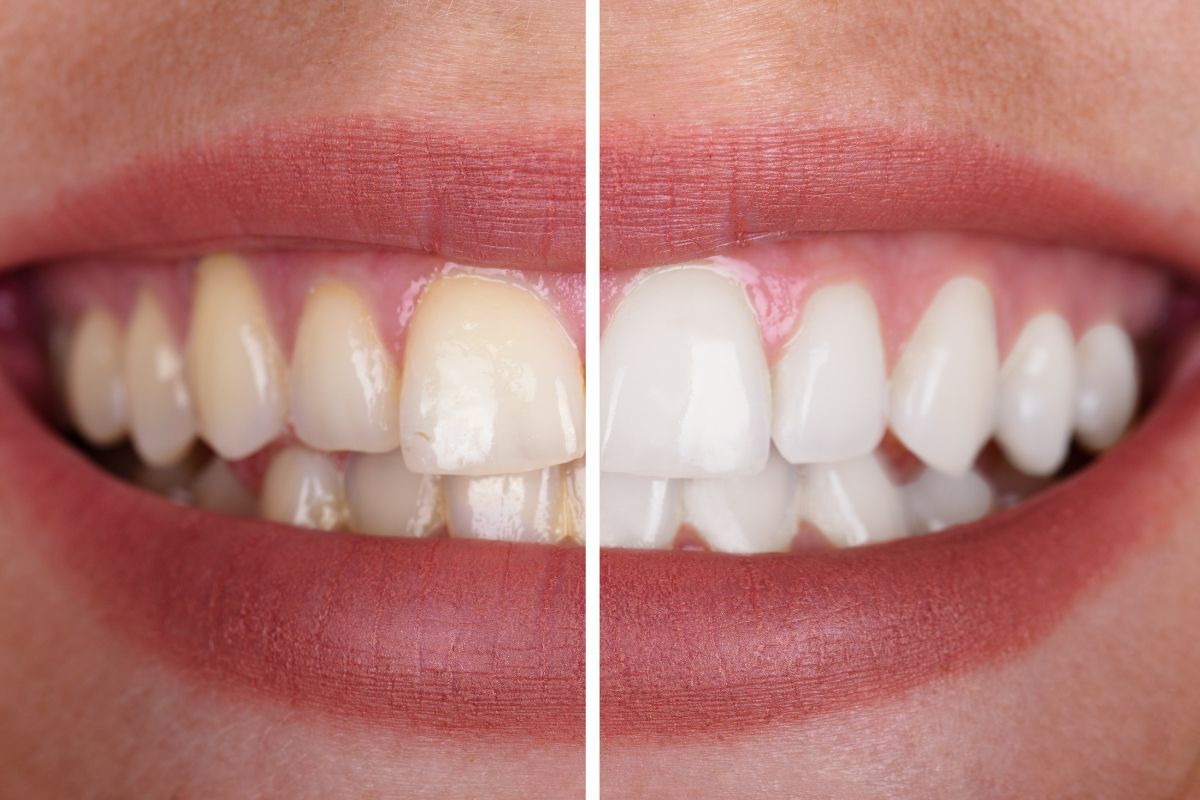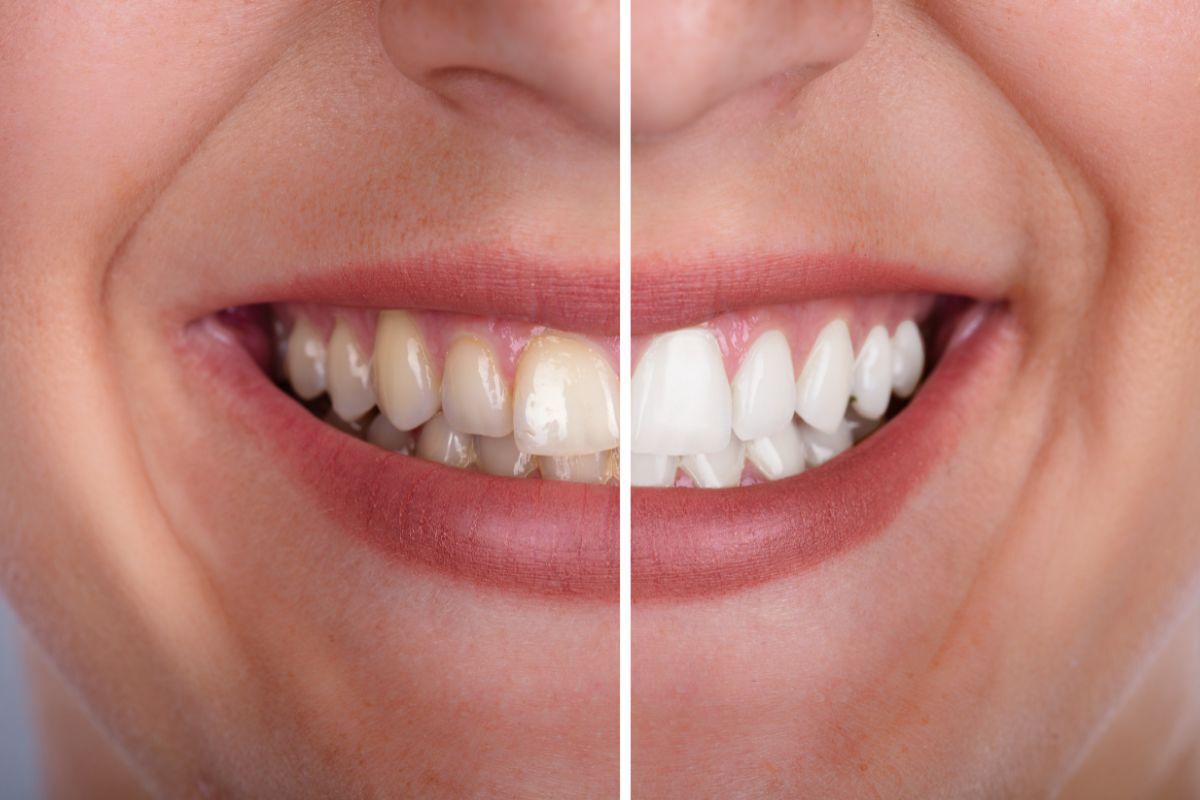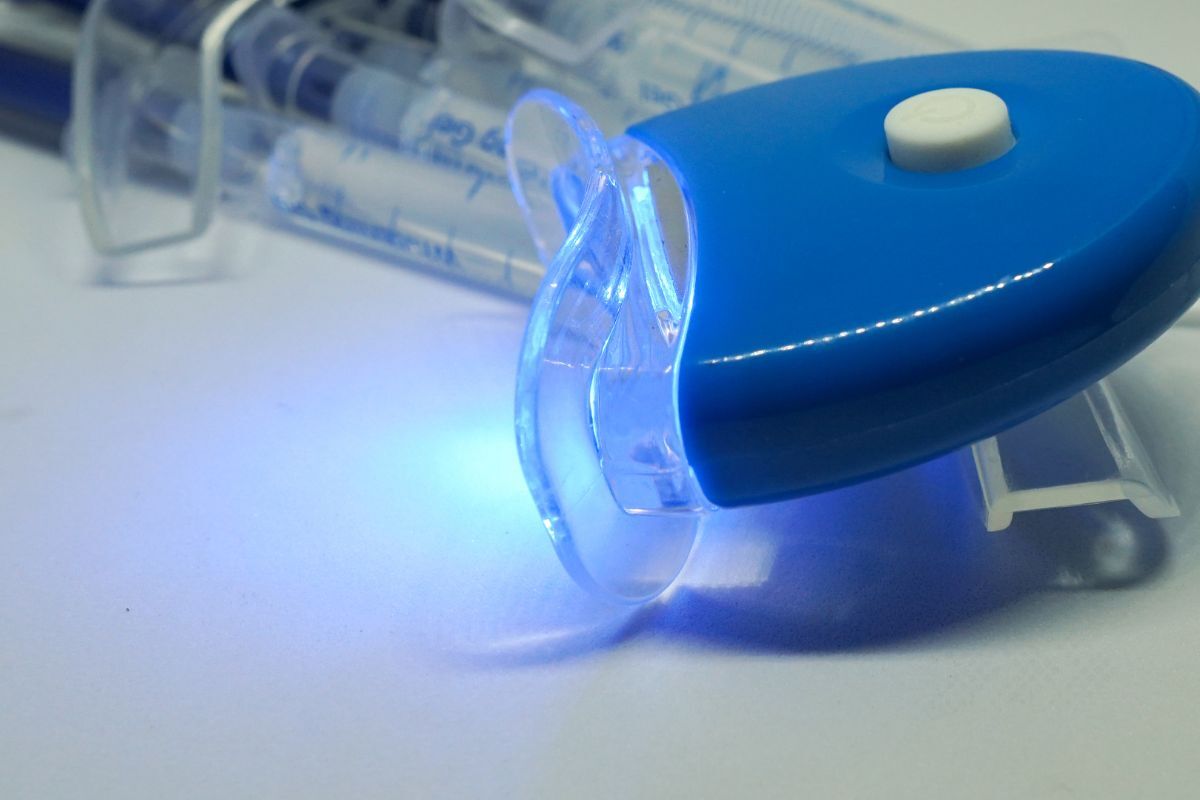

Did your teeth start aching right after your whitening session? You are not alone, and the good news is that this reaction is completely normal for most people.
Queen Creek is a fast-growing community in the East Valley of Arizona. Life here moves quickly. Between the desert sun, weekend events at Mansel Carter Oasis Park, and busy school drop-offs on Ocotillo Road, locals want a bright, confident smile that keeps up with their active lifestyle.
When people look for teeth whitening in Queen Creek, they sometimes proceed with a procedure at a nearby office and later experience sharp, shooting pain in their teeth. That discomfort can be alarming, especially when you were not warned about it beforehand. So, what causes it? What can you do about it?
At Affinity Dental Queen Creek, Dr. Wettstein and the team understand this concern. Whether you have had a brightening treatment elsewhere and now need relief, or you are considering whitening for the first time, our dental practice is here to help you feel comfortable and make the right decision for your smile.
Meet Your Dentist – Dr. Wettstein

Dr. Kelly B. Wettstein earned his Doctor of Dental Medicine degree from Case Western Reserve University School of Dental Medicine, graduating in the top 10% of his class. He holds certifications in implant dentistry, Invisalign technology, and 6 Month Braces techniques. He has also received recognition from the American Equilibration Society for Outstanding Performance in Occlusion and TMJ Function. Dr. Wettstein is a member of the American Dental Association and the Arizona Dental Association. He is deeply rooted in the Queen Creek community, a neighbor, a familiar face, and a dentist who takes time to listen to every patient.
Is It Normal to Feel Pain After a Whitening Procedure?
Yes, sensitivity after a whitening procedure is a very common side effect. Research suggests it affects up to 70% of patients who receive professional bleaching treatments. The discomfort usually feels like a sharp, shooting pain, especially when teeth come into contact with something cold, hot, or sweet, or when there is a rush of air.
The important thing to understand is that this sensitivity is almost always temporary. For most people, discomfort peaks in the first 24 to 48 hours after the procedure and fades within a few days. However, if sensitivity continues beyond a week or becomes severe, it is worth seeing a dentist.
Why Does Sensitivity Happen After Whitening?
1. Peroxide Reaches the Inner Tooth Layer
Whitening agents, both in-office and at-home, work through hydrogen peroxide or carbamide peroxide. These ingredients penetrate the enamel to break apart stain molecules deep in the tooth. The problem is, these molecules move fast. Studies show that peroxide can reach the pulp (the innermost part of the tooth that contains nerves and blood vessels) within 5 to 15 minutes of application.
Once the peroxide reaches the pulp, it triggers a temporary inflammation called reversible pulpitis. This is what causes that sharp, zingy sensation. The pain goes away as the inflammation settles, but while it lasts, it can be quite uncomfortable.
2. Exposed Dentinal Tubules
Another key factor behind tooth sensitivity after whitening is the temporary exposure of dentinal tubules. These are microscopic channels that run from the outer surface of the tooth to the nerves at its center. When the peroxide causes slight demineralization of the enamel, these channels become more open and porous.
Any outside stimulus, such as cold water, warm coffee, air, or pressure, can travel through these channels and trigger a nerve response. This is the hydrodynamic theory of sensitivity, the most widely accepted explanation in dentistry. The good news: once your enamel remineralizes, those channels close back up, and the sensitivity goes away.
3. High Concentration of Bleaching Agents
In-office treatments typically use hydrogen peroxide concentrations between 25% and 40%. While these stronger solutions deliver faster, more visible results, they also increase the chance of sensitivity. The higher the concentration, the more aggressively the product interacts with your enamel and dentin.
If you whitened at another office and the sensitivity feels intense, it is possible that the treatment used a very high concentration without adequate protective measures.
4. Pre-Existing Thin Enamel or Gum Recession
Some people already have thinner enamel or areas of gum recession before they ever step into a whitening appointment. This makes the dentin more accessible to bleaching agents, significantly amplifying sensitivity.
Queen Creek’s hot, dry climate also means many residents consume more acidic sports drinks and flavored waters to stay hydrated, habits that can slowly erode enamel. If your enamel is already worn, whitening will likely feel more intense.
5. Ill-Fitting Trays and Overuse of At-Home Kits
Poorly fitting bleaching trays can allow the gel to leak onto the gums, causing irritation and sensitivity. Similarly, using at-home whitening kits more often than directed or leaving them on longer than recommended can damage enamel and cause prolonged discomfort.
What You Can Do to Relieve Sensitivity After Whitening
Switch to a Desensitizing Toothpaste
Toothpastes containing potassium nitrate or stannous fluoride work by blocking nerve signal transmission and occluding the open dentinal tubules. Start using a toothpaste for sensitivity two weeks before your whitening appointment, and continue for at least two weeks after. Many dentists recommend brushing with it or applying it inside the whitening tray for 10 to 30 minutes after each session.
Avoid Temperature Extremes for 48 Hours
Right after a whitening procedure, your enamel is temporarily more porous. Stay away from iced drinks, hot coffee, and cold foods like ice cream for at least 48 hours. Drink lukewarm water instead, and use a straw for any cold beverages you cannot avoid.
Skip Acidic and Pigmented Foods Temporarily
Acidic foods and drinks (think citrus, tomatoes, vinegar-based sauces, and soda) irritate the already-porous dentin and extend your sensitivity. Stick to bland, neutral foods like rice, milk, chicken, and bananas for the first two to three days.
Use a Soft-Bristle Toothbrush
Aggressive brushing can further irritate exposed dentinal tubules and worsen pain. Switch to a soft-bristle toothbrush and use gentle strokes. Avoid highly abrasive toothpastes during recovery.
Ask About Fluoride Treatments
Professional fluoride varnish or gel applied by a dentist can accelerate enamel remineralization and seal open tubules. This is one of the most effective professional remedies for post-whitening discomfort. If your sensitivity does not subside within a week, this is a great option to explore.
Space Out Your Whitening Sessions
If you are considering additional whitening touch-ups, wait at least four weeks after your initial treatment. This gives your enamel time to fully remineralize. Cumulative exposure to peroxide compounds sensitivity risk, so spacing out sessions is always the smarter approach.
When Should You See a Dentist About Post-Whitening Pain?
While mild discomfort is expected, there are signs that indicate you should not wait it out:
• Sensitivity that lasts longer than seven to ten days
• Sharp, throbbing pain that does not respond to sensitivity toothpaste
• Pain that wakes you up at night
• Gum irritation or swelling that does not improve within a few days
• Visible white spots or changes in tooth appearance after the procedure
If you experience any of these, it is time to visit a dental office. Your dentist can evaluate what is happening, address any underlying issues, and recommend the right next steps to protect your enamel and restore your comfort.
Ready to Brighten Your Smile Safely? Visit Affinity Dental Queen Creek
Whether you are dealing with lingering sensitivity from a past whitening session done elsewhere, or you are a Queen Creek resident who wants a whiter smile done the right way from the start — Affinity Dental Queen Creek is ready to help.
Dr. Wettstein and the team evaluate your enamel health, customize your whitening plan, and use protective measures that reduce the risk of sensitivity before, during, and after your session. You do not have to choose between a brighter smile and a comfortable one. At our dental office, you can have both.
Book an appointment today at Affinity Dental Queen Creek or visit us at 21321 E Ocotillo Rd Ste 130, Queen Creek, AZ 85142. Your smile deserves care you can trust.
Frequently Asked Questions (FAQs)
1. Is it normal to have pain after a whitening procedure?
Yes, some degree of sensitivity is a very common reaction to peroxide-based whitening agents. Symptoms usually peak within the first 24 to 48 hours and fade on their own within a few days. If the pain persists beyond a week or becomes severe, a dentist can help identify the cause and provide appropriate treatment.
2. How long does sensitivity last after a whitening procedure?
For most people, sensitivity lasts anywhere from a few hours to about three to seven days. The duration depends on factors like enamel thickness, the strength of the bleaching agent used, and how well you care for your teeth in the days following the treatment.
3. Can I whiten my teeth if I already have sensitive teeth?
Yes, but you should always have a dental evaluation first. A dentist can assess your enamel thickness and gum health, recommend a lower-concentration whitening option, and suggest pre-treatment steps like using a desensitizing toothpaste to reduce your risk of discomfort.
4. What toothpaste is good for sensitivity after whitening?
Toothpastes containing potassium nitrate or stannous fluoride are widely recommended for post-whitening sensitivity. They work by blocking nerve transmission and sealing open dentinal tubules. Using them for two weeks before and after your whitening session will make a noticeable difference.
5. What foods should I avoid after whitening to prevent sensitivity?
In the first 48 to 72 hours after a whitening session, avoid hot or cold foods and beverages, acidic items like citrus and soda, and anything that could irritate your already-porous enamel. Stick to mild, neutral foods. Your enamel will remineralize on its own, and your sensitivity will fade.
6. Can sensitivity after whitening cause permanent damage?
In most cases, no. Post-whitening sensitivity is temporary and resolves without lasting damage. However, overusing bleaching products or using a concentration that is too strong for your enamel can cause longer-term issues. This is why having a dentist oversee or evaluate your whitening treatment matters.
7. What can a dentist do to treat sensitivity caused by a whitening procedure?
Dentists have several tools to address post-whitening discomfort, including professional fluoride varnish applications, in-office desensitizing agents like potassium nitrate or silver diamine fluoride, and custom-fitted trays with remineralizing gels. A dental evaluation also helps rule out any underlying issues contributing to the pain.