
Dental care is an essential part of maintaining good oral health, and while brushing and flossing are the first lines of defense against cavities, there are additional preventive measures that can provide extra protection. One such method is dental sealants, a treatment that has proven effective in preventing tooth decay, especially in children. But what exactly are dental sealants, and how do they work?
This blog will explore everything you need to know about dental sealants, from their application and benefits to why you might want to discuss this option with your dentist.
What Are Dental Sealants?
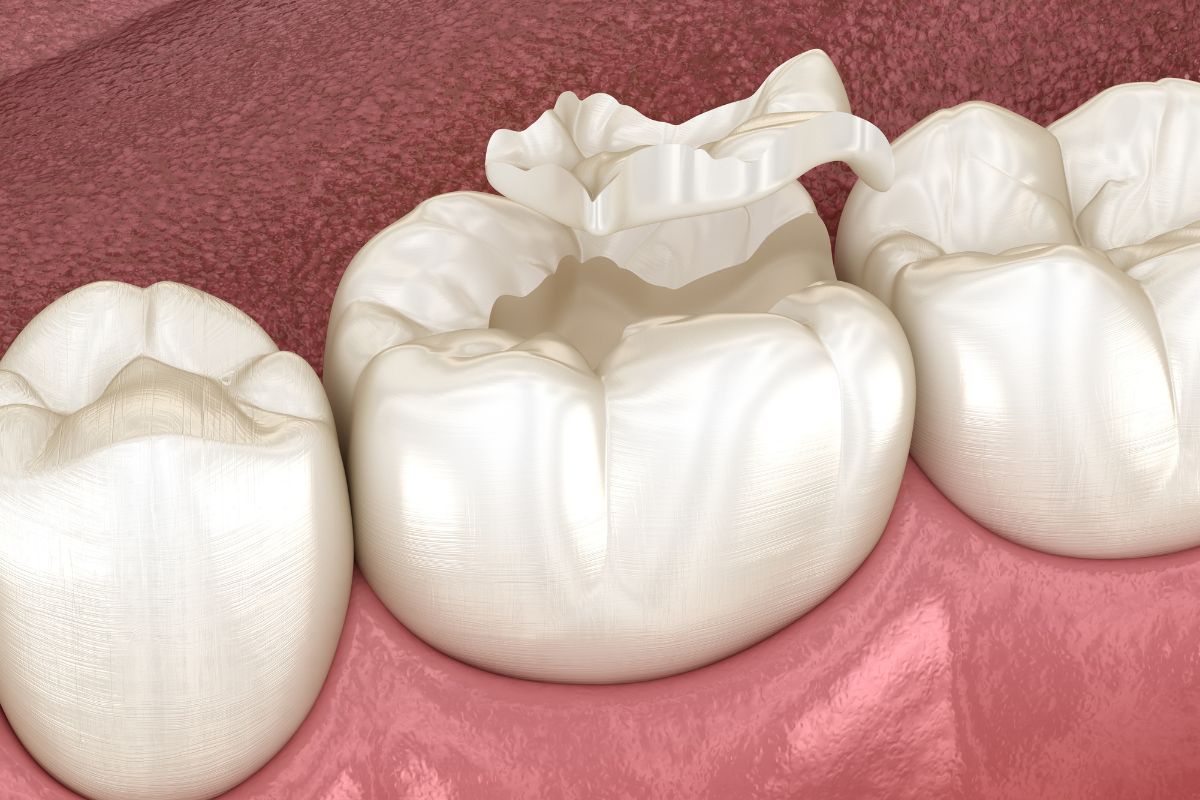
Dental sealants are thin, protective coatings applied to the chewing surfaces of the back teeth, typically the molars and premolars. These teeth have deep grooves and fissures that can trap food particles and bacteria, making them susceptible to cavities. Even with regular brushing, it’s hard to clean the nooks and crannies in the back teeth thoroughly.
Sealants act as a barrier, “sealing” these vulnerable areas and preventing food and bacteria from getting trapped and causing decay. They’re made from plastic or other dental materials and are virtually invisible once applied.
How Are Dental Sealants Applied?
The process of applying dental sealants is quick, easy, and painless. It can typically be completed during a routine dental visit and does not require anesthesia. Here’s a step-by-step guide to how a dentist applies sealants:
Teeth Cleaning: Before applying the sealant, your dentist will thoroughly clean the teeth to remove any plaque or food particles.
Preparation: Once the teeth are clean, a special gel is applied to the chewing surface of the teeth. This gel helps roughen the surface slightly so that the sealant adheres more effectively.
Rinsing and Drying: After a few seconds, the gel is rinsed off, and the teeth are dried.
Sealant Application: The dentist will then paint the sealant material onto the chewing surfaces of the teeth. The sealant flows into the grooves and fissures of the teeth.
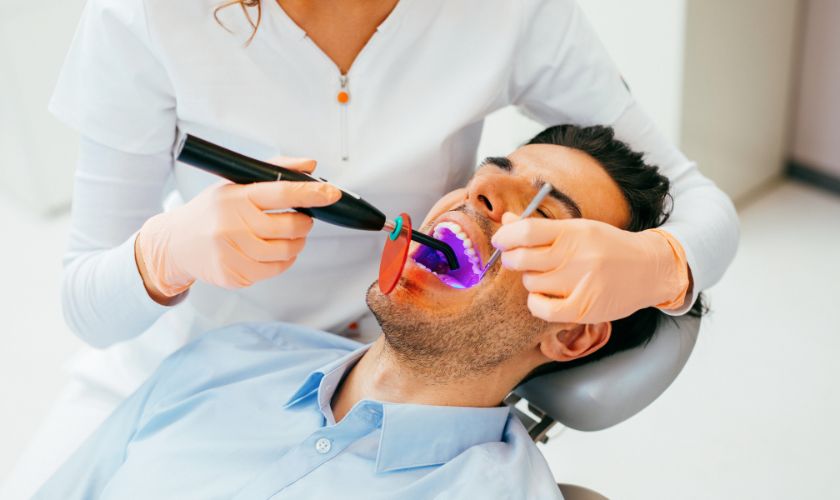
Curing: Finally, a special blue light is used to harden the sealant, forming a protective shield over the teeth.
The entire process takes only a few minutes per tooth, and once the sealant is in place, it can last for several years, offering long-lasting protection.
Who Can Benefit from Dental Sealants?
Dental sealants are often recommended for children and teenagers, as their molars and premolars are particularly vulnerable to cavities. The American Dental Association (ADA) advises applying sealants as soon as the first set of permanent molars comes in, usually around the age of 6. The second set of permanent molars typically appears around age 12, at which point sealants can be applied to them as well.
While children are the most common candidates for sealants, adults can benefit from them too, especially if they have deep grooves or fissures in their teeth or are prone to cavities. A dentist can assess whether sealants are appropriate for you or your child during a routine checkup.
Why Are Dental Sealants Important?
Cavity Prevention: The primary benefit of dental sealants is that they help prevent cavities. Studies have shown that sealants can reduce the risk of decay in molars by up to 80% in the first two years after application, and they continue to protect against cavities for several years after that.
Cost-Effective: Sealants are a preventive measure that can save you money in the long run by reducing the need for more costly treatments like fillings, crowns, or even root canals that may result from untreated cavities.
Painless Protection: The process of applying sealants is quick, painless, and non-invasive, making it an ideal solution for young patients or individuals who may feel anxious about more extensive dental procedures.
Long-Lasting Defense: Once applied, sealants can last for several years before needing reapplication. Your dentist will check the condition of the sealants during routine visits to ensure they are still intact.
Are There Any Risks or Downsides to Dental Sealants?
Dental sealants are generally safe and have been used for decades. However, as with any treatment, there are some considerations to keep in mind:
Limited to Specific Teeth: Sealants are only applied to the chewing surfaces of the back teeth (molars and premolars). They are not suitable for the smooth surfaces of front teeth, so they don’t protect against all cavities.
Temporary: While durable, sealants don’t last forever. They can wear down over time and may need to be reapplied every few years, depending on factors like your eating habits and oral hygiene.
Not a Substitute for Oral Care: Sealants are an excellent preventive tool, but they don’t replace the need for regular brushing, flossing, and dental checkups. It’s important to maintain a strong oral hygiene routine to keep your teeth and gums healthy.
How to Care for Your Teeth After Sealants Are Applied
Once dental sealants are applied, you don’t need to make any significant changes to your oral care routine. Continue brushing your teeth twice a day with fluoride toothpaste and flossing daily to remove plaque and food particles from between your teeth. Regular visits to your dentist will ensure that your sealants remain intact and continue to protect your teeth.
It’s also a good idea to be mindful of the types of foods you eat. While sealants are durable, chewing on hard foods like ice or biting your nails can damage them. If a sealant does wear down or chip, your dentist can quickly repair it.
How Much Do Dental Sealants Cost?
The cost of dental sealants can vary depending on where you live and your dentist’s pricing. In general, sealants are an affordable preventive measure, especially compared to the cost of treating a cavity. Some dental insurance plans may cover the cost of sealants for children, so be sure to check with your provider.
Even without insurance coverage, the cost of sealants is a worthwhile investment in your oral health, particularly when you consider the long-term savings from avoiding cavity-related treatments.
Speak with your dentist to learn more about whether dental sealants are right for you. By taking a proactive approach to your oral health, you can protect your smile and avoid more invasive and costly procedures in the future.
In conclusion, dental sealants are a powerful preventive tool in modern dentistry, offering both children and adults a shield against cavities. Whether you’re looking to protect your child’s new molars or safeguard your teeth, sealants provide a painless and effective way to ensure long-lasting oral health. Talk to your dentist today about how dental sealants can benefit you and keep your smile shining for years to come.