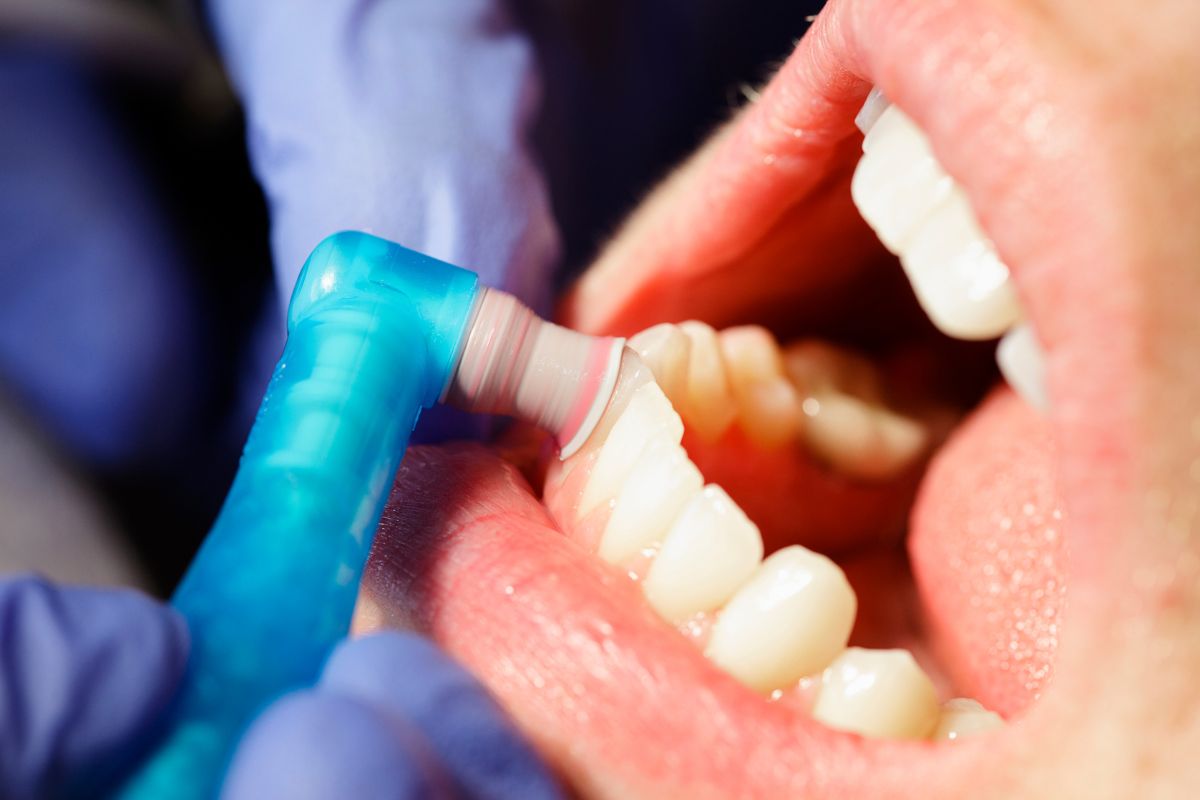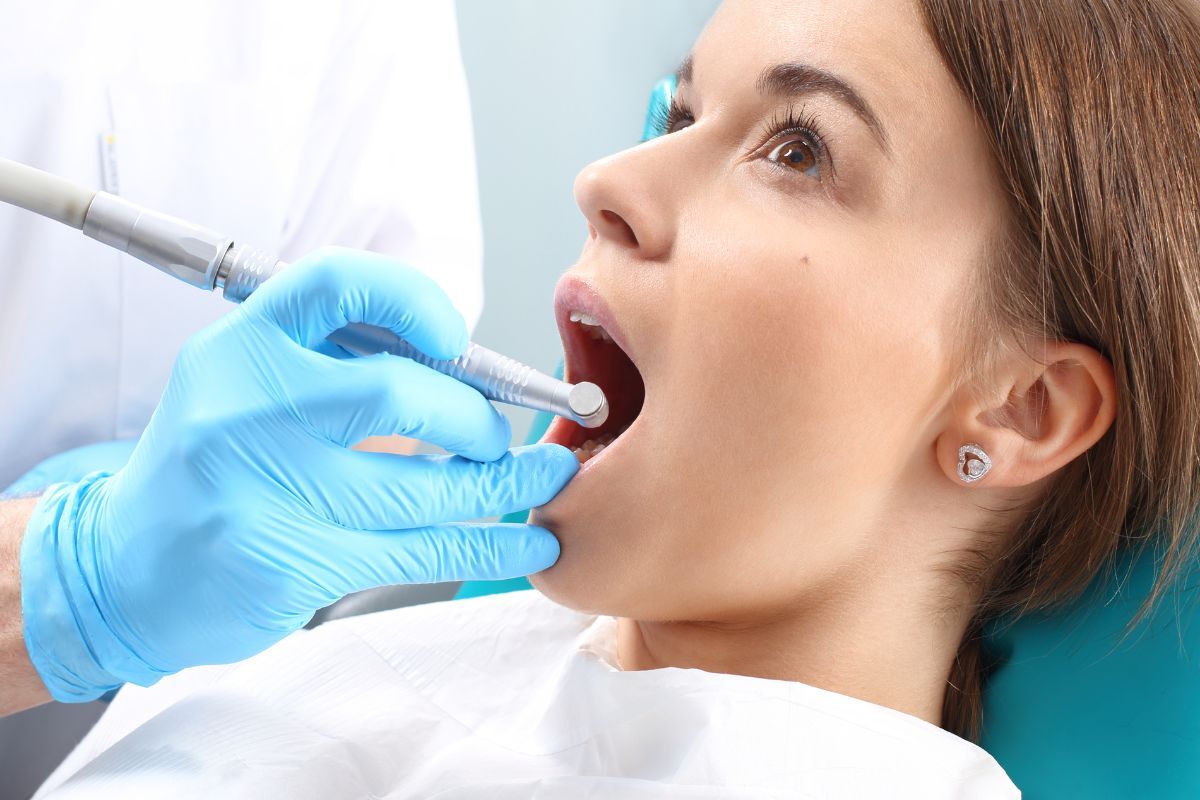

Dental health is an integral aspect of overall well-being, and preventing tooth decay is a critical part of maintaining a healthy smile. One effective preventative measure is the use of dental sealants. This thin, protective coating is applied to the chewing surfaces of the back teeth, creating a barrier against cavities. But how exactly do dental sealants protect teeth from decay? Let’s explore this topic in detail.
What Are Dental Sealants?
Dental sealants are a type of plastic resin material that dentists apply to the grooves and pits of molars and premolars. These surfaces are particularly susceptible to decay because food particles and bacteria can easily get trapped in them, leading to cavities. Dental sealants protect teeth from decay by covering these vulnerable areas, creating a smooth surface that is easier to clean and less likely to harbor harmful bacteria.
How Are Dental Sealants Applied?
The process of applying dental sealants is quick and painless. Here’s a step-by-step overview:
1. Cleaning the Teeth: The dentist will first thoroughly clean the teeth to ensure there is no plaque or food debris present.
2. Preparing the Tooth Surface: The tooth is then dried, and an acidic solution is applied to the chewing surfaces. This etching process helps the sealant bond to the tooth.
3. Applying the Sealant: After rinsing and drying the tooth again, the dentist will paint the sealant onto the tooth enamel.
4. Curing the Sealant: A special light is used to harden the sealant, creating a strong, protective barrier.
The Protective Role of Dental Sealants
1. Barrier Against Bacteria and Food Particles
The primary function of sealants is to act as a physical barrier that prevents bacteria and food particles from settling in the grooves and pits of teeth. Without sealants, these areas are difficult to clean with regular brushing and flossing, making them prime targets for cavities. For additional protection, you can also explore effective treatments for tooth decay at the gum line to maintain optimal oral health.
2. Reducing the Risk of Cavities
Studies have shown that dental sealants can significantly reduce the risk of cavities. According to the Centers for Disease Control and Prevention (CDC), sealants can prevent 80% of cavities in the first two years after application and continue to protect against 50% of cavities for up to four years. This is especially beneficial for children and teenagers, whose newly erupted permanent molars are most at risk.
3. Cost-Effective Preventative Measure
In the long run, sealants are a cost-effective way to maintain oral health. While the initial cost of applying sealants might seem high, it pales in comparison to the expenses associated with treating cavities, such as fillings, crowns, or root canals. By preventing decay, sealants save both money and discomfort.
Who Should Get Dental Sealants?
While dental sealants protect teeth from decay, they are most commonly associated with children and teenagers. However, sealants can be beneficial for people of all ages. Sealants are typically recommended for:
1. Children and Teenagers: As soon as their permanent molars and premolars erupt, usually between the ages of 6 and 14.
2. Adults: Those who do not have decay or fillings in their molars can still benefit from sealants to protect against future cavities.
3. High-Risk Individuals: People who are at a higher risk of dental decay due to factors like deep tooth grooves, poor oral hygiene, or a history of cavities.
Tips for Care After Getting Dental Sealants
1. Regular Dental Check-Ups
Although sealants are durable, they are not permanent. They can wear down over time and may need to be reapplied. Regular dental check-ups allow your dentist to monitor the condition of the sealants and replace them if necessary.
2. Good Oral Hygiene Practices
Sealants are an excellent preventative measure, but they should be complemented with good oral hygiene practices. Brushing twice a day, flossing daily, and maintaining a healthy diet are essential for overall dental health.
3. Avoiding Harmful Habits
Certain habits, such as chewing on ice or hard candies, can damage dental sealants. It’s important to avoid these activities to prolong the life of the sealants and protect your teeth from unnecessary wear and tear.
Dental sealants are a highly effective tool in the fight against tooth decay, as dental sealants protect teeth from decay by creating a protective barrier over the chewing surfaces of the back teeth. They prevent bacteria and food particles from causing cavities, making them valuable for both children and adults. Whether you are a parent looking to safeguard your child’s teeth or an adult seeking to enhance your dental health, schedule a consultation with our team at Affinity Dental Queen Creek to see how dental sealants can help you maintain a healthier smile. Remember, prevention is always better than cure, and dental sealants are a simple yet powerful way to protect your teeth.