
Your first dental exam can feel uncertain if you do not know what will happen once you arrive. At Affinity Dental Queen Creek, patients in Queen Creek can expect a welcoming and personalized experience focused on understanding their oral health, concerns, and goals. Knowing what to expect can make your first appointment feel easier and help you feel more confident about your dental care.
Whether you have recently moved to Queen Creek, have not seen a dentist in a while, or simply want to establish regular care, your first appointment gives your dental team an opportunity to learn about your smile and identify potential concerns early.
A first appointment is about more than looking at your teeth. Your dentist may review your dental history, examine your teeth and gums, take X-rays when appropriate, screen for oral health concerns, and explain what they find. Most importantly, you have an opportunity to ask questions and understand your personalized care plan.
Why Your First Dental Exam Matters
Many dental problems do not cause noticeable symptoms during their early stages. You may feel that your teeth are healthy because you do not have pain, but small cavities, gum problems, enamel wear, or other concerns can develop without obvious warning signs.
A thorough initial evaluation gives your dentist a clearer picture of your current oral health. It also establishes a baseline that the dental team can use during future visits.
At Affinity Dental Queen Creek, the team takes a prevention-focused and conservative approach to dental care while using modern technology to support comprehensive and comfortable treatment.
Your First Visit Is About More Than Teeth
During your appointment, your dental team may consider:
- The health of your teeth and gums
- Your current oral hygiene routine
- Your dental and medical history
- Any discomfort or sensitivity you have noticed
- Previous dental treatments
- Your personal concerns and smile goals
- Potential risks that could affect your oral health
This information helps your dentist understand your needs instead of treating your smile based on a one-size-fits-all approach.
What Happens Before Your Exam?
Your appointment begins before you sit in the dental chair. If you are a new patient, you may need to complete paperwork that provides your dental team with important information about your health and dental history.
Try to provide accurate information. Tell your dental team about previous dental treatments, medications, allergies, dental anxiety, and any current concerns.
Information You May Need to Provide
Depending on your situation, your dental team may ask about:
- Your previous dental experiences
- Your current dental concerns
- Tooth pain or sensitivity
- Gum bleeding or swelling
- Previous extractions, fillings, crowns, or other procedures
- Current medications
- Allergies or medical conditions
- Your dental insurance information
- Your personal goals for your smile
You do not need to memorize everything. However, having important information available can make the process smoother.
Meeting Your Dental Team
One of the most important parts of a first appointment is building a comfortable relationship with your dentist.
At Affinity Dental Queen Creek, Dr. Kelly B. Wettstein and Dr. Payton Harker provide care with attention to patient concerns and individual needs. Dr. Wettstein earned his Doctor of Dental Medicine degree from Case Western Reserve University and has completed additional training and certifications, including Invisalign technology and implant dentistry. Dr. Harker earned his dental degree from Midwestern University in Arizona and provides preventive, restorative, and cosmetic care.
When you meet your trusted dentist, take the opportunity to explain what brought you in. If you feel nervous, let the team know. If you have a specific concern about your teeth, mention it early in the appointment.
Open communication helps your dentist understand what matters most to you.
What Happens During a Dental Exam?
Your dentist will examine your mouth to look for signs of current or developing oral health problems. The exact process can vary based on your age, dental history, symptoms, and individual needs.
A comprehensive new-patient evaluation may include an examination of your teeth and gums along with other diagnostic procedures when appropriate.
Your Teeth Will Be Checked
Your dentist will look for signs of concerns such as:
- Tooth decay
- Cracked or damaged teeth
- Worn enamel
- Broken fillings
- Problems with existing dental work
- Tooth sensitivity
- Changes in tooth structure
- Areas that may require closer monitoring
Finding a concern early can make treatment simpler in many situations.
Your Gums Will Also Be Evaluated
Healthy teeth need healthy supporting tissues. Your dental team may examine your gums for signs of inflammation, bleeding, recession, or other concerns.
Gum health matters because untreated periodontal problems can affect the tissues that support your teeth. Therefore, your dentist may recommend additional periodontal care when necessary.
An Oral Cancer Screening May Be Included
A comprehensive evaluation may also involve checking the mouth and surrounding tissues for unusual changes.
Your dentist may look at areas such as:
- The lips
- Gums
- Cheeks
- Tongue
- Roof of the mouth
- Other tissues inside the mouth
The purpose is to identify unusual changes that may require further evaluation.
Will You Need Dental X-Rays?
Your dentist may recommend dental X-rays when they can provide information that a visual examination cannot.
X-rays can help your dental team examine areas that remain hidden from normal view. Depending on your needs, they may help identify concerns involving the teeth, roots, bone, or areas between teeth.
Affinity Dental Queen Creek lists digital dental X-rays among its general dentistry services and uses modern technology as part of its approach to comprehensive patient care.
Why X-Rays Can Be Helpful
Dental X-rays may help your dentist:
- Detect decay between teeth
- Examine tooth roots
- Evaluate supporting bone
- Identify developing dental concerns
- Review areas that are difficult to see during a visual examination
- Plan certain treatments
Your dentist will determine which images make sense for your situation rather than automatically ordering every available type.
Will You Get a Cleaning During Your First Appointment?
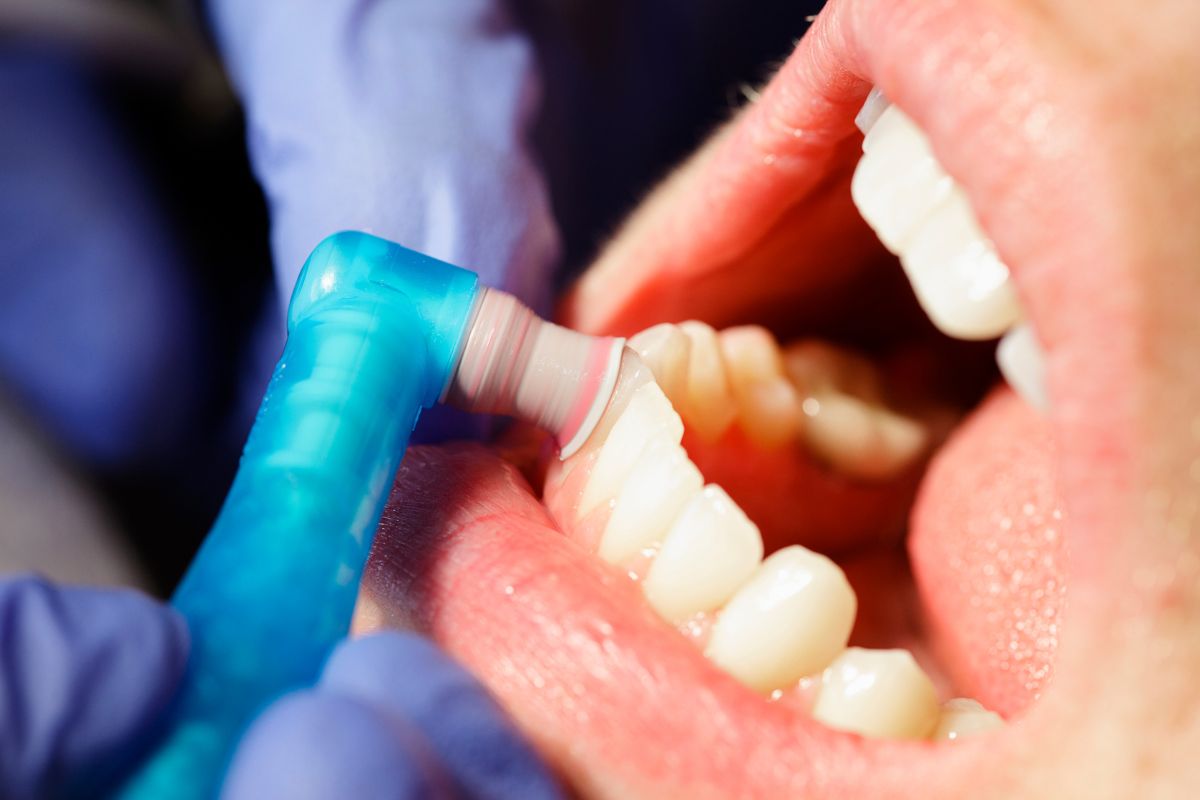
A cleaning may form part of your first visit, depending on your appointment type and individual needs.
Professional cleanings remove plaque and hardened deposits that regular brushing and flossing may not completely eliminate. However, a cleaning and a comprehensive evaluation serve different purposes.
The examination focuses on identifying and assessing oral health concerns, while professional cleaning focuses on removing buildup from your teeth.
Your dental team can explain what you need and when you should return for routine preventive care.
What Happens After the Examination?
After completing the evaluation, your dentist should explain the findings in clear and simple language.
This part of the appointment matters because you should understand your oral health rather than simply leave with a list of procedures.
At Affinity Dental Queen Creek, the practice describes its personalized consultation process as a time when dentists listen to patient concerns and goals, perform a complete exam, explain options, and develop a treatment plan based on individual needs and comfort.
Your Dentist May Discuss
Depending on what the examination shows, your dentist may talk with you about:
- Preventive care
- Professional cleanings
- Improving your brushing or flossing routine
- Gum health
- Cavities or damaged teeth
- Existing dental work
- Cosmetic concerns
- Restorative treatment
- Future monitoring
- Follow-up appointments
You do not have to understand every dental term immediately. Ask your dentist to explain anything that seems confusing.
Questions to Ask During Your First Appointment
A first appointment should be a conversation, not just an examination. Asking questions can help you make informed decisions about your oral health.
Consider asking:
- Are my teeth and gums healthy?
- Did you find anything that needs attention?
- How often should I return for routine care?
- What can I do differently at home?
- Do I need additional testing or X-rays?
- Should I make any changes to my brushing or flossing routine?
- What treatment should I prioritize?
- What can I do to prevent future dental problems?
If you have a specific goal, such as improving your smile or addressing tooth sensitivity, bring it up during the appointment. Your dentist can then consider that goal when discussing your care.
What If You Feel Nervous About Your First Dental Exam?
Dental anxiety is common, and you do not need to feel embarrassed about it.
If you feel nervous, tell your dental team before the appointment or when you arrive. Knowing about your concerns allows the team to communicate with you more thoughtfully and help you feel more comfortable.
Affinity Dental Queen Creek states that its team understands dental anxiety and offers a gentle approach, comfort amenities, and sedation options for patients who feel nervous about dental visits.
Simple Ways to Make Your Appointment Easier
You can also prepare by:
- Writing down your questions before your appointment
- Bringing a list of medications
- Arriving with enough time to complete paperwork
- Explaining your concerns honestly
- Asking your dentist to explain each step
- Taking slow, steady breaths if you feel tense
Remember, there is no wrong question when it comes to your health.
How Often Should You Return After Your First Visit?
Your next appointment depends on your oral health and individual needs.
Affinity Dental Queen Creek notes that many patients benefit from checkups every six months, while some patients with specific periodontal needs may require visits every three to four months. Your dental team can recommend an appropriate schedule based on your circumstances.
Regular appointments can help your dentist monitor changes and address concerns before they become more complicated.
Prevention Can Save You Trouble Later
Regular preventive care can help you:
- Identify problems early
- Maintain healthier gums
- Keep your teeth clean
- Reduce the risk of untreated decay
- Monitor existing dental work
- Build better oral hygiene habits
- Maintain your smile over time
Instead of waiting until something hurts, routine care gives you a proactive way to protect your oral health.
What Makes a First Visit Feel More Personal?
A positive first appointment should leave you feeling informed, respected, and comfortable asking questions.
At Affinity Dental Queen Creek, the practice emphasizes relationships between dentists and patients, personalized attention, prevention, and helping patients make informed decisions about their care.
That personal approach can be especially valuable if you are new to Queen Creek or have had an uncomfortable dental experience in the past. Finding a dental team that listens to you can make regular care feel much easier.
Final Thoughts on Your First Dental Exam
Your first dental exam is an important starting point for maintaining your oral health. While the exact process can differ from person to person, you can generally expect a conversation about your dental history, a thorough examination, possible X-rays, an assessment of your teeth and gums, and a discussion about your next steps.
Most importantly, your first visit gives you a chance to establish a relationship with your dental team and understand what your smile needs. You do not have to wait for severe pain or another obvious problem before seeking care.
If you are looking for personalized dental care in Queen Creek, schedule your appointment with Affinity Dental Queen Creek and meet with Dr. Kelly B. Wettstein or Dr. Payton Harker for a comprehensive evaluation tailored to your needs.