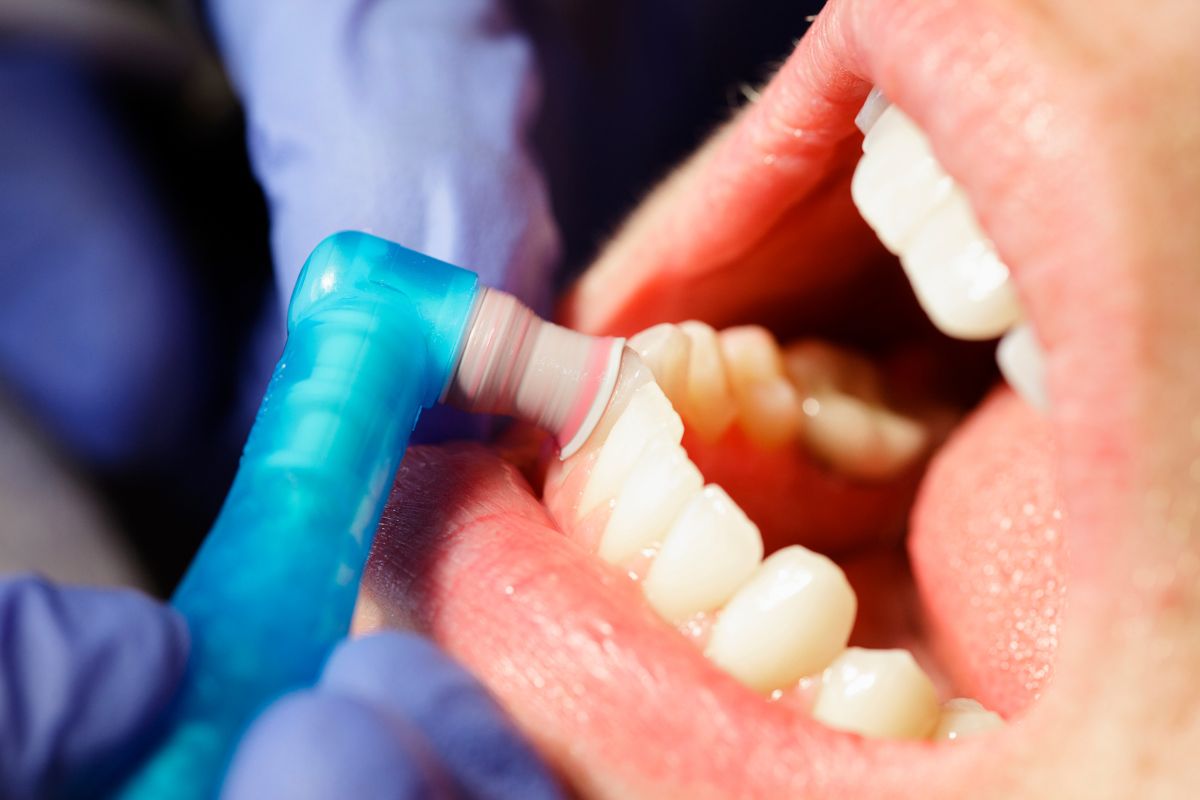

Tooth sensitivity to hot and cold can turn something as simple as drinking coffee or eating ice cream into an uncomfortable experience. A quick, sharp pain may seem harmless, but repeated discomfort can sometimes point to enamel wear, gum recession, tooth decay, a cracked tooth, or another dental concern. At Affinity Dental in Queen Creek, patients often ask why certain foods and drinks suddenly cause pain and whether they should be concerned.
The good news is that temperature-related tooth pain is common and often treatable. However, the right solution depends on what causes the discomfort in the first place. Understanding the possible reasons can help you decide when to adjust your daily habits and when to seek professional dental care.
What Causes Pain From Hot or Cold Foods?
Your teeth have several protective layers. Enamel forms the hard outer surface, while dentin lies underneath it. Inside the tooth, the pulp contains nerves and blood vessels.
When enamel becomes thinner or dentin becomes exposed, temperature changes can reach the sensitive inner structures more easily. As a result, you may experience a sudden, sharp sensation when something hot or cold touches the tooth.
Several conditions can contribute to this problem.
Enamel Wear Can Expose Sensitive Areas
Enamel protects your teeth from temperature changes. However, it can gradually wear down because of:
- Frequent consumption of acidic foods and drinks
- Aggressive tooth brushing
- Using a hard-bristled toothbrush
- Teeth grinding or clenching
- Frequent exposure to sugary drinks
- Acid reflux in some patients
Once enamel becomes thinner, the underlying dentin becomes more vulnerable. This can make cold water, hot coffee, ice cream, or other temperature changes feel uncomfortable.
Gum Recession Can Expose Tooth Roots
Your gums help protect the roots of your teeth. Unlike enamel-covered crowns, exposed tooth roots do not have the same protective enamel layer.
Gum recession can expose these areas and make them more responsive to temperature changes. Brushing too forcefully, gum disease, aging, and other factors can contribute to recession.
If you notice that the discomfort seems concentrated near the gumline, gum recession may be one possible explanation.
Tooth Decay Can Make Temperature Changes Hurt
A cavity can cause sensitivity when decay moves through the enamel and reaches deeper parts of the tooth.
Affinity Dental notes that tooth decay can cause sharp or dull pain when eating or drinking something hot, cold, or sweet. Sensitivity that continues after the food or drink is gone can be particularly important to discuss with a dentist.
An early cavity may not cause constant pain. Instead, you might notice a brief reaction when drinking something cold or eating something sweet. Therefore, do not assume that occasional discomfort means the problem will disappear on its own.
Signs That a Cavity May Be Involved
Watch for symptoms such as:
- Pain from hot, cold, or sweet foods
- A visible dark spot or hole
- Pain when biting
- Food repeatedly getting trapped in one area
- Sensitivity that becomes more frequent
- A toothache that gradually becomes stronger
Early evaluation can help identify decay before it becomes more extensive.
Cracked or Damaged Teeth Can Trigger Sharp Pain
A small crack in a tooth may not always be visible in a mirror. However, it can still cause noticeable discomfort.
A cracked tooth may react when you bite down or release your bite. Temperature changes can also trigger pain because the crack may allow irritants to reach sensitive areas inside the tooth.
You should pay attention if one specific tooth repeatedly hurts when you drink something cold or hot. Pain that consistently comes from the same tooth deserves professional evaluation.
Recent Dental Treatment May Cause Temporary Sensitivity
Some people experience temporary discomfort after certain dental procedures.
For example, sensitivity can occur after:
- Teeth whitening
- Dental bonding
- Fillings
- Crowns
- Other restorative procedures
Affinity Dental explains that mild sensitivity to hot or cold can occur for a few days after dental bonding and generally improves as the tooth settles.
Similarly, the practice notes that sensitivity after professional whitening is common and usually temporary. However, persistent or severe discomfort deserves attention rather than continued self-treatment.
An Experienced Dentist at Affinity Dental Can Help Identify the Cause
If you keep experiencing tooth sensitivity to hot and cold, an experienced dentist at Affinity Dental can evaluate the affected teeth and look for the underlying cause. Dr. Kelly B. Wettstein and Dr. Payton Harker provide preventive, restorative, and comprehensive dental care, allowing patients to receive an evaluation based on their individual needs.
Rather than simply treating the uncomfortable sensation, the goal is to determine why the tooth reacts in the first place.
How Can You Tell if Temperature Pain Is Normal?
Not every brief sensation means you have a serious dental problem.
For some people, a quick reaction to very cold food or drinks may happen occasionally and disappear almost immediately. However, the pattern matters.
Brief Sensitivity
A short, mild sensation may occur when you:
- Drink ice-cold water
- Eat ice cream
- Drink very hot coffee
- Consume acidic foods
- Use whitening products
If the discomfort disappears quickly and does not happen often, it may be related to temporary irritation or exposed dentin.
Lingering or Increasing Pain
Pain deserves more attention when it:
- Lasts after the temperature trigger is gone
- Becomes stronger over time
- Happens with both hot and cold foods
- Occurs without an obvious trigger
- Affects one particular tooth repeatedly
- Comes with swelling or a bad taste
- Makes chewing difficult
According to Affinity Dental, sudden sensitivity from hot or cold can sometimes relate to decay, a crack, or gum problems, particularly when the pain becomes sharp or prolonged.
What Can You Do at Home to Reduce Discomfort?
You can take several simple steps while determining the cause of the problem.
Use a Soft-Bristled Toothbrush
A hard toothbrush and aggressive brushing can contribute to enamel wear and gum recession. Instead, use gentle pressure and a soft-bristled brush.
Brush twice a day and clean between your teeth regularly.
Try Toothpaste Designed for Sensitive Teeth
Toothpaste formulated for sensitive teeth may help reduce discomfort over time. Give the product consistent use rather than expecting an immediate change after one brushing.
If the problem continues, ask your dentist whether a different product or professional treatment would be more appropriate.
Limit Frequent Acidic Drinks
Acidic beverages can contribute to enamel erosion. Soda, citrus drinks, sports drinks, and other acidic beverages may increase the risk of enamel wear when consumed frequently.
Instead, drink water throughout the day and avoid slowly sipping acidic beverages for long periods.
Avoid Extreme Temperatures Temporarily
If hot coffee or ice cream causes pain, choose moderate temperatures while you address the underlying issue.
This does not treat the cause, but it can reduce unnecessary discomfort.
Do Not Brush Immediately After Acidic Foods
Acid temporarily softens the tooth surface. Brushing immediately after consuming highly acidic foods or drinks can increase mechanical wear.
Instead, rinse your mouth with water and allow some time to pass before brushing.
When Should You See a Dentist?
You should consider a dental evaluation when discomfort keeps returning or becomes more intense.
Do not ignore temperature-related pain simply because it disappears quickly. A small problem can sometimes become more complicated if the underlying cause remains untreated.
Schedule an evaluation if you notice:
- Persistent hot or cold sensitivity
- Pain focused on one tooth
- Pain that lingers after eating or drinking
- Tooth pain when biting
- Swollen or tender gums
- A chipped or cracked tooth
- A visible cavity
- Facial or gum swelling
- Fever or a bad taste associated with tooth pain
Severe swelling, difficulty breathing or swallowing, or rapidly worsening symptoms require urgent medical attention.
How Does a Dentist Find the Cause?
A dental evaluation usually starts with your symptoms and dental history. Your dentist may ask:
- Which foods or drinks trigger the pain?
- Is the trigger hot, cold, sweet, or acidic?
- How long does the discomfort last?
- Does one tooth hurt or several?
- Did the problem begin after dental treatment?
- Do you grind or clench your teeth?
- Have you noticed gum recession or bleeding?
The dentist may then examine your teeth and gums and use diagnostic tools such as dental X-rays when appropriate.
This process helps separate simple sensitivity from conditions such as decay, gum recession, cracks, or deeper dental problems.
Treatment Depends on the Cause
There is no single treatment for every case of temperature-related discomfort.
Depending on the findings, your dentist may recommend:
- Fluoride treatment
- Desensitizing products
- Treatment for gum disease
- A filling for tooth decay
- Bonding for exposed areas
- A crown for a damaged tooth
- A night guard for grinding
- Root canal treatment when the tooth’s inner nerve becomes seriously affected
Affinity Dental offers general, restorative, and other comprehensive dental services, including tooth-colored fillings, crowns, and other treatments that may be appropriate depending on the diagnosis.
The important point is to treat the source rather than simply masking the symptom.
Why Early Evaluation Matters
Temperature-related discomfort may start as a minor inconvenience. However, the underlying issue can sometimes progress.
For example, a small cavity can become deeper. Gum recession can continue exposing more of the tooth root. A damaged tooth can develop additional structural problems. An untreated infection can also cause increasingly severe pain.
Therefore, paying attention to changes in your mouth can help you act before the problem becomes more difficult to manage.
Protect Your Teeth From Future Sensitivity
Once the cause has been identified, simple habits can help protect your teeth.
Follow a Consistent Oral Care Routine
Keep your routine simple:
- Brush twice daily with fluoride toothpaste.
- Floss or clean between your teeth every day.
- Use gentle brushing pressure.
- Drink plenty of water.
- Limit frequent sugary and acidic drinks.
- Avoid chewing hard objects.
- Wear a mouthguard if your dentist recommends one for grinding or sports.
- Keep regular dental checkups.
Affinity Dental recommends regular dental checkups for many patients, while noting that some people may need more frequent visits depending on their periodontal health and individual needs.
The Bottom Line on Hot and Cold Tooth Pain
Pain when eating ice cream or drinking hot coffee should not automatically cause alarm. However, repeated discomfort deserves attention because it can result from enamel wear, exposed tooth roots, decay, cracks, gum problems, or recent dental treatment.
The key is to notice the pattern. A brief sensation that occurs occasionally may have a different cause from pain that lingers, repeatedly affects one tooth, or continues to worsen.
If your teeth hurt whenever you eat or drink something hot or cold, schedule an appointment with Affinity Dental in Queen Creek, AZ so Dr. Kelly B. Wettstein or Dr. Payton Harker can evaluate the cause and recommend appropriate care for your smile.