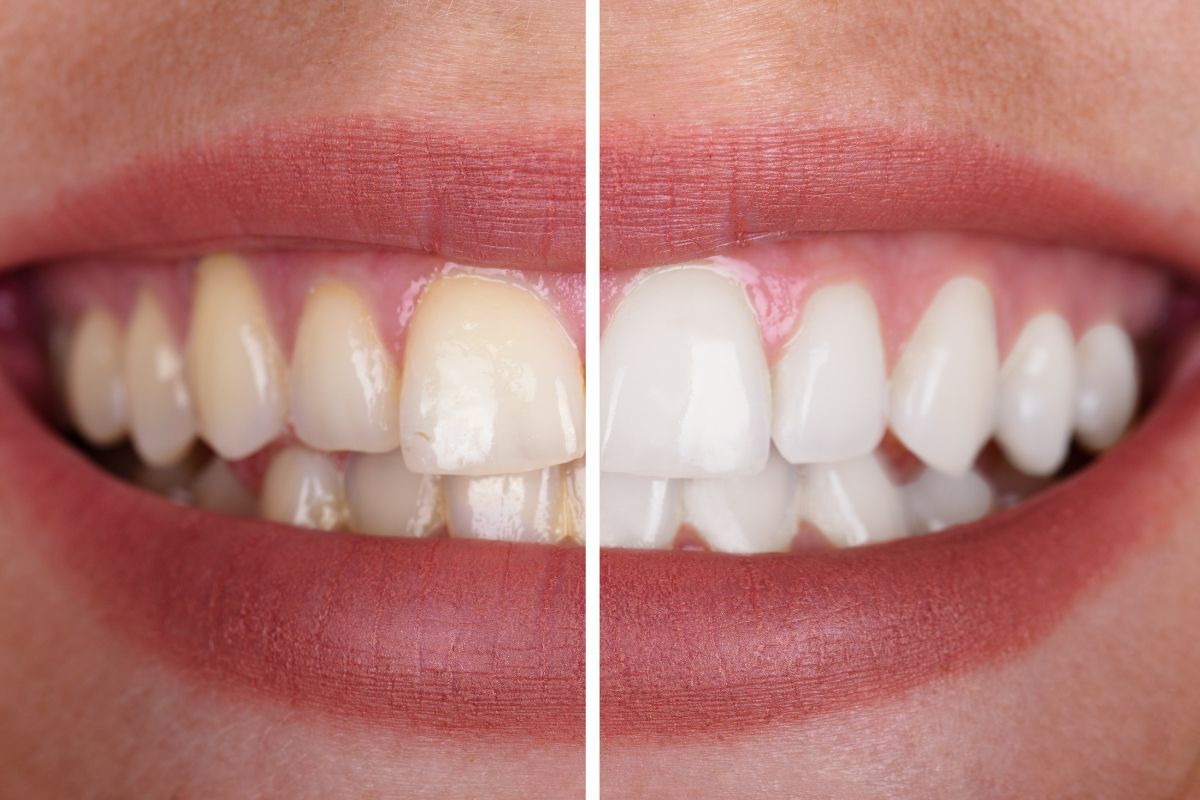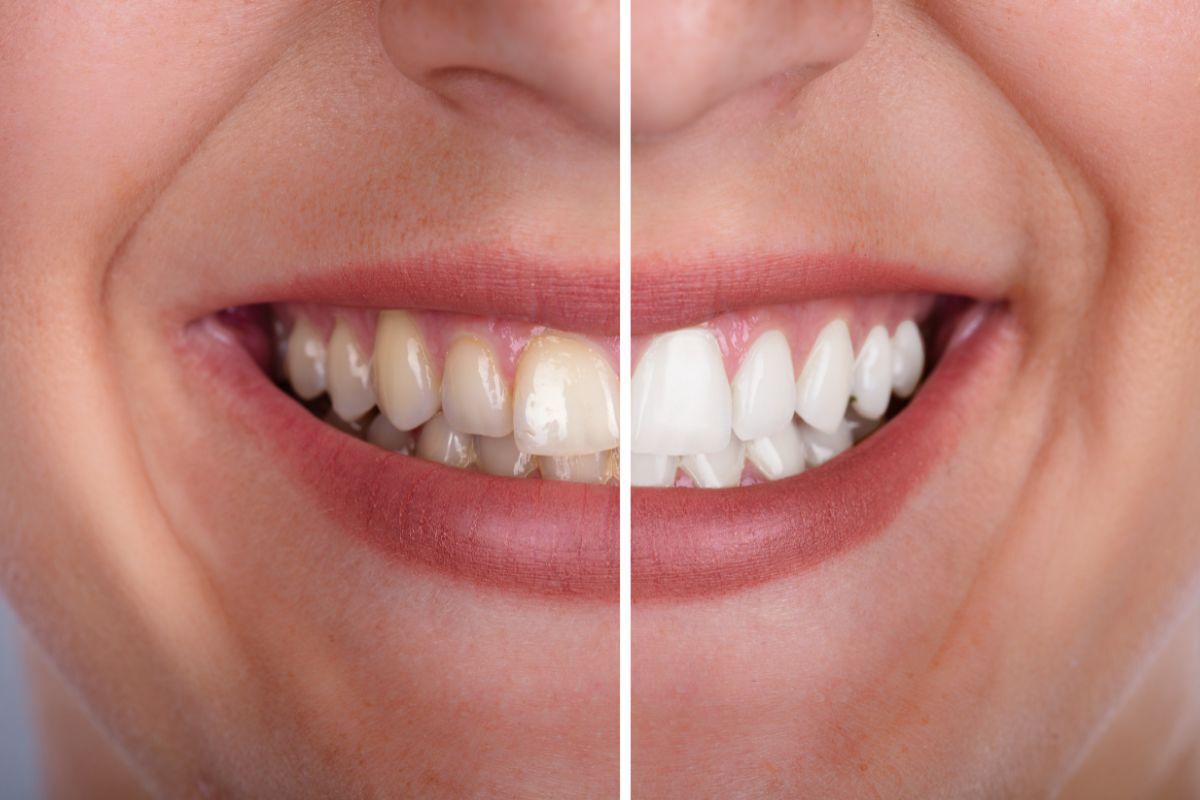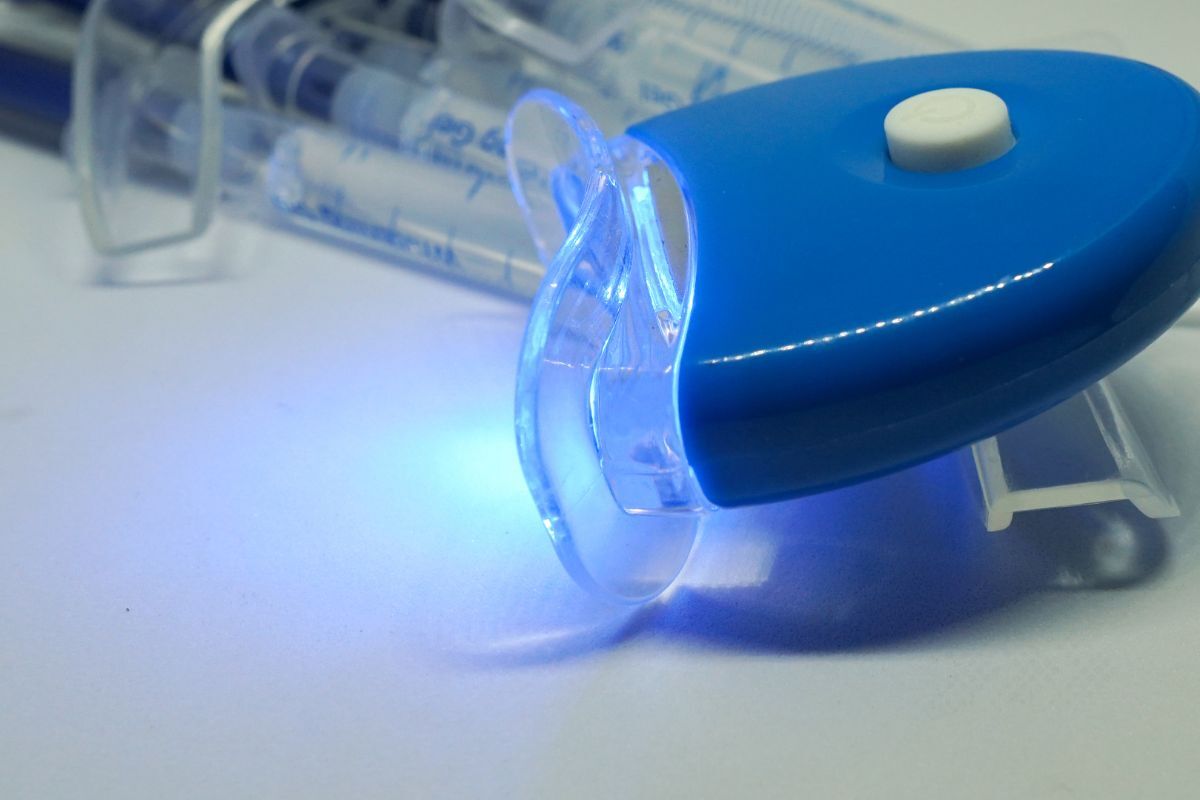

A bright, white smile can boost your confidence and leave a lasting first impression. At Affinity Dental Queen Creek, we often hear patients ask if they can safely whiten their teeth naturally at home. While professional teeth whitening offers the fastest and most noticeable results, there are several safe daily habits that can help reduce surface stains and support a brighter smile. These gentle, easy-to-follow tips can complement your regular oral hygiene routine, help you whiten your teeth naturally at home, and maintain a healthy-looking smile between dental visits.
Keep in mind that natural remedies mainly remove surface stains caused by foods, drinks, and tobacco. They cannot dramatically change the natural color of your teeth like professional teeth whitening treatments.
1. Brush with Baking Soda
Baking soda is a mild abrasive that helps remove surface stains from your teeth. It is a common ingredient in many whitening toothpastes because it gently polishes enamel without using harsh chemicals.
To try it at home, mix a small amount of baking soda with water to create a paste. Brush gently for about two minutes once or twice a week. Avoid brushing too hard or using baking soda too often, as excessive abrasion may wear down enamel over time.
2. Try Oil Pulling
Oil pulling is an ancient practice that involves swishing oil around your mouth to help remove bacteria and promote better oral hygiene. Coconut oil is the most popular choice because it contains natural antibacterial properties.
Swish one tablespoon of coconut oil in your mouth for 10 to 20 minutes before brushing your teeth, then spit it out into a trash can rather than the sink to avoid clogging your plumbing. Although oil pulling may not significantly whiten teeth, it can contribute to a cleaner mouth and fresher breath.
3. Eat Crunchy Fruits and Vegetables
Crunchy fruits and vegetables naturally help clean your teeth as you chew. Apples, carrots, and celery stimulate saliva production, which helps rinse away food particles and bacteria that contribute to staining.
Some people recommend strawberries or pineapple for whitening because they contain natural acids. However, there is limited scientific evidence that these foods noticeably whiten your teeth naturally at home, so they should not replace proper oral hygiene or professional treatments.
4. Use Hydrogen Peroxide Carefully
Hydrogen peroxide is a common ingredient in many professional whitening products because it helps break down stain molecules.
If you choose to use it at home, only use a diluted 3% hydrogen peroxide solution and limit use to once or twice a week. Swish the solution gently for about one minute, then rinse thoroughly with water. Never swallow hydrogen peroxide, and stop using it if you experience tooth sensitivity or gum irritation. If you have questions, ask your dentist before trying this method.
5. Skip the Activated Charcoal Trend
Activated charcoal has become popular on social media as a natural whitening solution. However, there is little scientific evidence that it effectively whitens teeth.
Because charcoal products can be abrasive, frequent use may wear away enamel over time. For this reason, many dental professionals recommend choosing fluoride toothpaste designed to remove surface stains instead.
6. Limit Foods and Drinks That Cause Stains
Many everyday foods and beverages can gradually discolor your teeth.
Common staining items include:
- Coffee
- Tea
- Red wine
- Soda
- Dark berries
- Tomato-based sauces
- Soy sauce
You don’t have to eliminate these foods completely. Drinking water afterward or rinsing your mouth can help reduce staining.
7. Practice Good Oral Hygiene Every Day
Good oral hygiene is one of the most effective ways to keep your smile bright.
Make these habits part of your daily routine:
- Brush twice a day with fluoride toothpaste.
- Brush for at least two minutes each time.
- Floss once every day.
- Replace your toothbrush every three to four months.
- Visit your dentist for regular cleanings and checkups.
Consistent oral care removes plaque before it hardens into tartar, helping your teeth look cleaner and healthier.
8. Use a Straw for Dark Beverages
If you enjoy iced coffee, tea, or other dark-colored drinks, using a straw can reduce direct contact between the liquid and your front teeth. This simple habit may help minimize new stains over time.
9. Quit Smoking
Smoking and other tobacco products are among the leading causes of yellow and brown tooth stains. Tobacco also increases your risk of gum disease, bad breath, tooth loss, and oral cancer.
Quitting smoking benefits both your oral health and your overall well-being while helping your smile stay brighter.
10. Visit Your Dentist Regularly
Even with excellent home care, some stains cannot be removed naturally.
Professional dental cleanings eliminate plaque, tartar, and surface stains that brushing alone cannot remove. If you’ve tried to whiten your teeth naturally at home but want more noticeable or longer-lasting results, your dentist can recommend the safest and most effective whitening treatment based on your oral health and cosmetic goals. At Affinity Dental Queen Creek, we offer personalized recommendations to help you achieve a brighter, healthier smile safely and effectively.
What Natural Teeth Whitening Can and Can’t Do
Natural whitening methods can improve the appearance of your smile by removing surface stains and supporting good oral hygiene. However, they have limitations.
Natural methods can:
- Reduce mild surface stains
- Help maintain whitening results
- Improve overall oral cleanliness
Natural methods cannot:
- Change the natural color of your teeth
- Remove deep internal discoloration
- Whiten crowns, veneers, or fillings
- Match the results of professional whitening treatments
If your teeth remain discolored despite good oral care, schedule an evaluation with your dentist to determine the underlying cause and discuss treatment options.
Frequently Asked Questions
Does baking soda really whiten teeth?
Yes. Baking soda helps remove surface stains from the enamel, making teeth appear brighter. However, it does not bleach the natural color of your teeth.
Is hydrogen peroxide safe for whitening teeth?
Hydrogen peroxide can be safe when used correctly and in low concentrations. Overusing it may lead to tooth sensitivity or gum irritation, so it’s best to use it cautiously and follow your dentist’s recommendations.
Does activated charcoal whiten teeth?
Current research does not strongly support activated charcoal as an effective whitening treatment. Frequent use may also wear down enamel because of its abrasive texture.
How long does it take to see results from natural whitening methods?
Natural methods usually produce gradual improvements over several weeks when combined with consistent brushing, flossing, and healthy dietary habits.
Final Thoughts
Natural teeth whitening methods can help reduce surface stains and support a cleaner, healthier-looking smile when paired with good daily oral hygiene. While these techniques may brighten your teeth over time, they cannot provide the dramatic results of professional whitening treatments.
If you’re looking for faster, longer-lasting whitening or have deep tooth discoloration, schedule an appointment with our team. We can recommend the treatment that best fits your smile goals while protecting your long-term oral health.