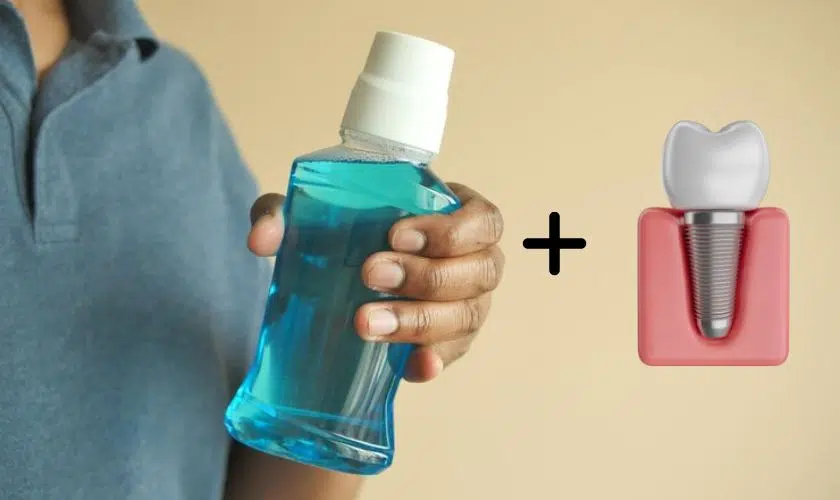
Dental implants are a fantastic option for replacing missing teeth. They offer a durable, natural-looking solution that can significantly improve your smile and your ability to chew. However, following dental implant surgery, there’s a specific aftercare routine to ensure proper healing and long-term success. One question that often arises is: “Can I use Listerine after dental implants?”
This blog post will delve into the use of Listerine (or any mouthwash) following dental implant surgery. We’ll explore the healing timeline, the potential effects of Listerine on implants, and alternative aftercare options.
Healing After Dental Implant Surgery
Following dental implant placement, your implant dentist will provide detailed aftercare instructions. These instructions are crucial for ensuring the implant integrates properly with your jawbone, a process known as osseointegration.
During the initial healing period, which typically lasts 1-2 weeks, the surgical site is particularly sensitive. This is why most implant dentists recommend avoiding mouthwash altogether during this time. Mouthwash, including Listerine, can irritate the implant site and potentially disrupt healing.
Here’s what you can expect during the initial healing phase:
- Mild discomfort and swelling around the implant site
- Slight bleeding
- Difficulty chewing
These are all normal side effects that should subside within a few days. Your implant dentist will prescribe pain medication if needed and recommend a soft food diet during this time.
Reintroducing Mouthwash After Implant Healing
Once the initial healing period is over, and your implant dentist gives you the green light, you can start incorporating mouthwash back into your oral hygiene routine. However, even after healing, it’s important to choose the right type of mouthwash for optimal results with dental implants.
Here’s what to consider when selecting a mouthwash for use with implants:
Alcohol-free: Listerine and many other popular mouthwashes contain alcohol. Alcohol can be drying and irritating to the mouth, which can hinder healing and contribute to implant peri-mucositis, an inflammatory condition around the implant.
Antibacterial properties: Look for a mouthwash with antibacterial properties to help control plaque and gingivitis, both of which can compromise the health of your implants and surrounding tissues.
Gentle ingredients: Avoid mouthwashes with harsh chemicals or abrasive ingredients that can damage the implant surface.
It’s important to consult with your implant dentist about the most suitable mouthwash for your specific needs.
Alternatives to Listerine After Dental Implants
If you’re looking for alternatives to Listerine after dental implants, here are some excellent options:
1. Chlorhexidine mouthwash: This prescription-strength mouthwash is highly effective in reducing bacteria and may be recommended by your dentist during the initial healing phase or for specific situations.
2. Peroxide-free whitening mouthwash: While it’s best to avoid traditional whitening mouthwashes during the initial healing period, peroxide-free whitening mouthwashes can be used later on to maintain a bright smile without harming the implant surface.
3. Warm salt rinses: A simple yet effective way to cleanse your mouth after implant surgery is a warm salt rinse. Mix a half teaspoon of table salt with a cup of warm water and swish gently for 30 seconds. This helps reduce inflammation and promote healing.
Remember, consulting with your implant dentist is always the best course of action to determine the most suitable aftercare routine for your specific situation. They can recommend the best mouthwash for your needs and provide guidance on proper implant care.