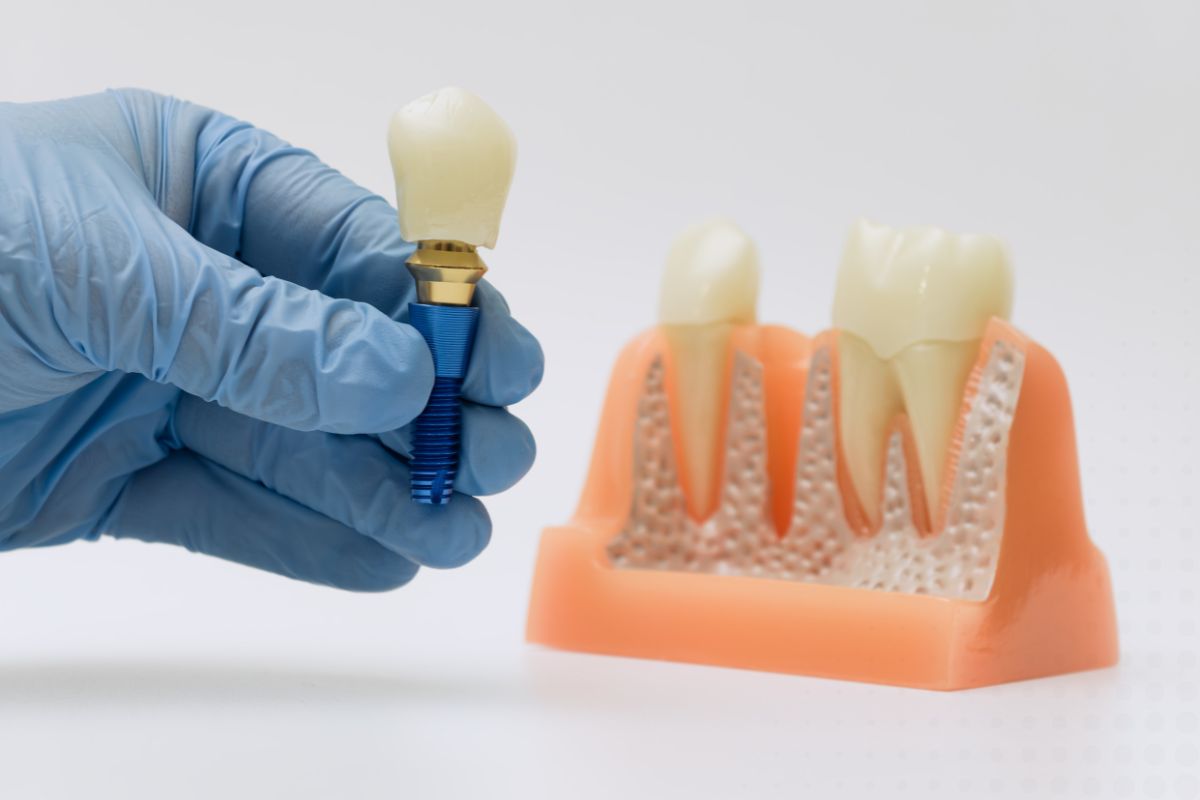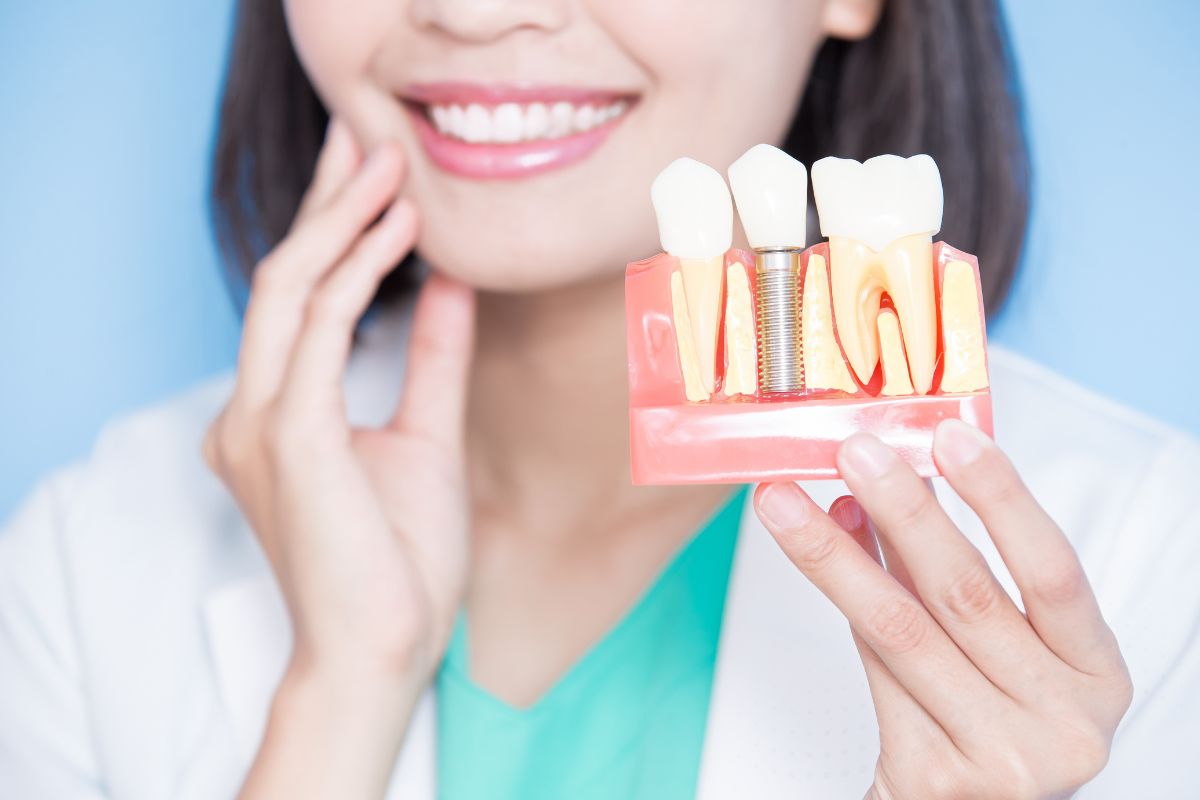
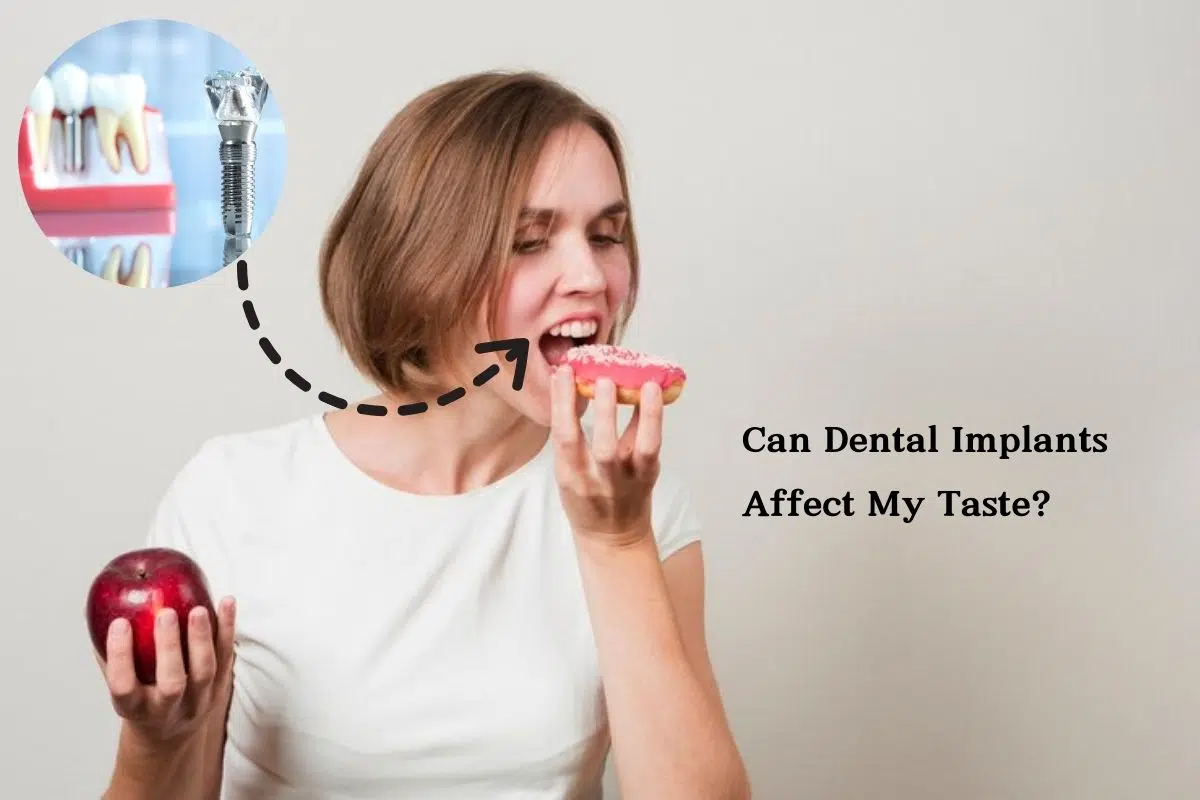
Dental implant surgery is a remarkable advancement in modern dentistry, offering a reliable and long-lasting solution if you’re missing one or more teeth. If you’ve been thinking about dental implants, it’s completely natural to have questions—one of the most common being, “Can dental implants affect my sense of taste?” In this blog, we’ll explore that concern in detail, including whether implants can affect your sense of taste, what may cause temporary changes, and how any effects can be properly managed.
At Affinity Dental Queen Creek, led by Dr. Kelly B. Wettstein, you’re supported by a caring and experienced team dedicated to your comfort and long-term oral health. Our team takes the time to answer your questions, explain each step of the implant process, and ensure you feel confident about your treatment decisions. If you’re considering dental implants, a visit to our Queen Creek office can give you the clarity and reassurance you need to move forward with confidence.
The Connection Between Dental Implants and Taste
1. Taste Sensation and Its Mechanism
Taste is a complex sense that involves the tongue, taste buds, and the olfactory system (sense of smell). The tongue is covered with thousands of taste buds, each containing sensory cells that detect sweet, sour, salty, bitter, and umami flavors. These signals are sent to the brain, where they are interpreted as different tastes.
2. Potential Impact of Dental Implants on Taste
While dental implants themselves are not designed to affect taste, some patients report changes in taste sensation after undergoing dental implant surgery. These changes can range from a metallic taste to a diminished sense of taste. Let’s explore some potential reasons behind this phenomenon.
Causes of Taste Changes After Dental Implant Surgery
1. Surgical Trauma
The placement of dental implants involves surgical procedures that can cause temporary trauma to the oral tissues, including the tongue and surrounding areas. This trauma can lead to inflammation and altered taste perception during the healing process. In most cases, this is temporary and resolves as the tissues heal.
2. Medication and Anesthesia
Medications prescribed during and after dental implant surgery, such as antibiotics and painkillers, can sometimes affect taste. Additionally, the anesthesia used during the procedure can temporarily alter taste perception. Once the medications are discontinued and the effects of anesthesia wear off, normal taste usually returns.
3. Metal Sensitivity
Although rare, some individuals may have a sensitivity or allergic reaction to the metals used in dental implants, particularly titanium. This can result in a metallic taste in the mouth. If you suspect metal sensitivity, it is essential to discuss this with your dentist, who may recommend alternative materials for your implants.
4. Dry Mouth (Xerostomia)
Dry mouth is a common side effect of many medications and can also occur after dental surgery. Saliva is essential for taste, and a reduced flow can lead to changes in taste perception. Ensuring adequate hydration and discussing saliva substitutes or stimulants with your dentist can help alleviate dry mouth symptoms.
Managing and Mitigating Taste Changes With Dental Implants
1. Communicate with Your Dentist
Open communication with your dentist is crucial if you experience changes in taste after dental implant surgery. Your dentist can help identify the cause and suggest appropriate remedies or adjustments to your treatment plan.
2. Follow Post-Operative Care Instructions
Adhering to your dentist’s post-operative care instructions can significantly impact your recovery and minimize potential side effects. This includes maintaining good oral hygiene, attending follow-up appointments, and taking prescribed medications as directed.
3. Monitor and Report Symptoms
Keep track of any changes in taste and report them to your dentist promptly. Early intervention can help address any issues and prevent long-term complications.
4. Consider Dietary Adjustments
If you experience taste changes, adjusting your diet to include foods that are easier to taste and swallow can be helpful. Opt for well-seasoned dishes and avoid foods that may exacerbate any metallic or unpleasant tastes.
In summary, while dental implants are not inherently designed to affect taste, some patients may experience temporary changes in taste perception following dental implant surgery. These changes can result from surgical trauma, medications, metal sensitivity, or dry mouth. By understanding these potential causes and maintaining open communication with your dentist, you can manage and mitigate any taste changes effectively.
At Affinity Dental Queen Creek, we believe dental implants are more than just a treatment—they’re a life-changing solution. They not only improve your oral health but also enhance your confidence and overall quality of life. If you’re worried about how dental implants might affect your sense of taste, our team is here to guide you every step of the way. Any minor, temporary changes are far outweighed by the long-term benefits of restored function and a beautiful smile.
Take the first step toward a healthier smile today and schedule your appointment with Affinity Dental Queen Creek and experience the difference.