Many patients ask, “Are dental sealants safe?” These thin coatings have been used in dentistry for decades, yet questions still arise about their long-term safety and effectiveness. Sealants are primarily designed to prevent cavities, especially in children, but they are also an option for adults. This guide explains what dental sealants are, their key benefits, the small risks involved, and the myths that sometimes create confusion.
What Are Dental Sealants?
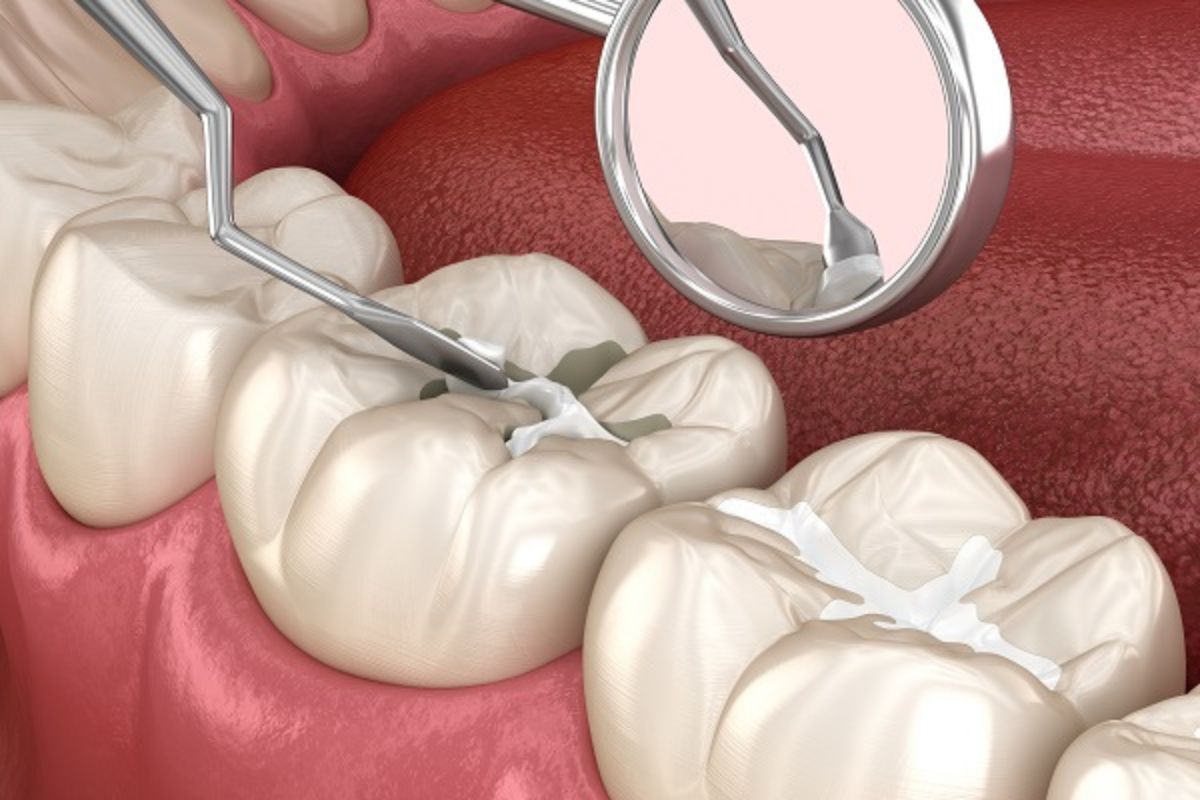
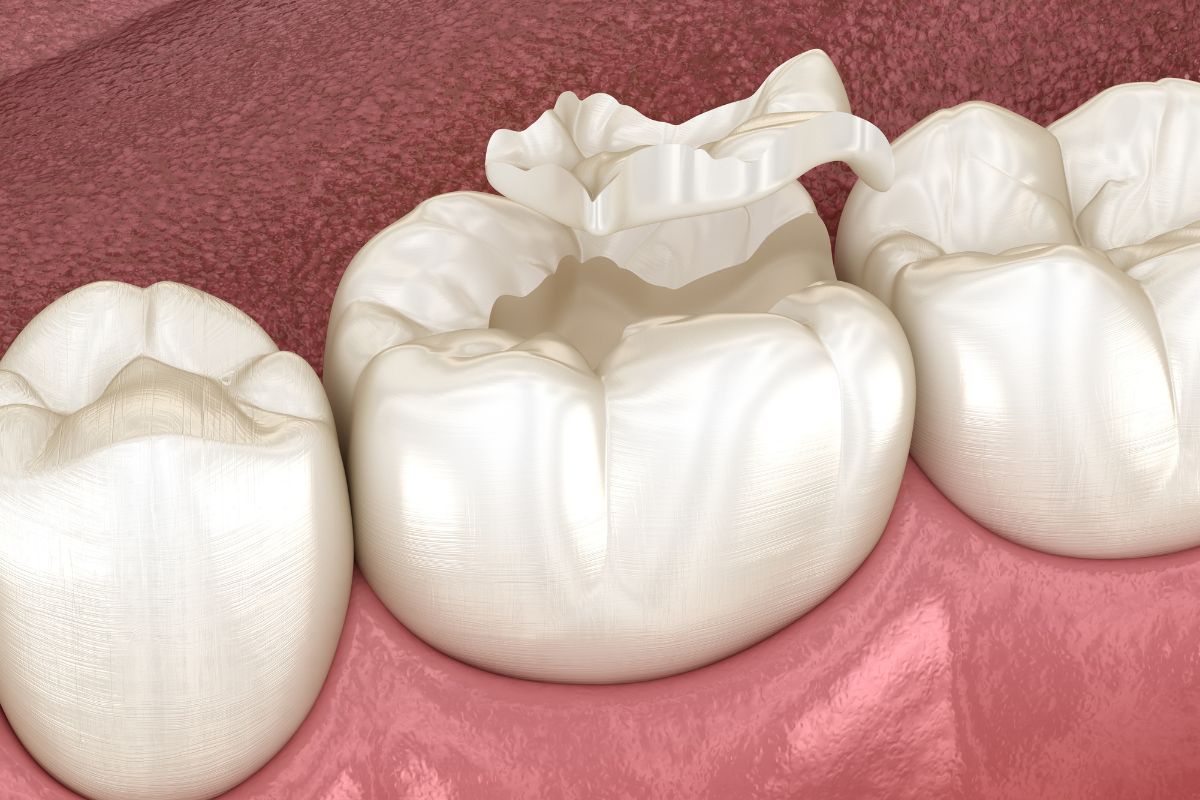
A trustworthy dentist places these protective coatings on the chewing surfaces of molars and premolars. These back teeth have deep grooves where food particles and bacteria can easily collect, making them more vulnerable to decay. These protective coatings act as a barrier, sealing out plaque and acids before they cause damage.
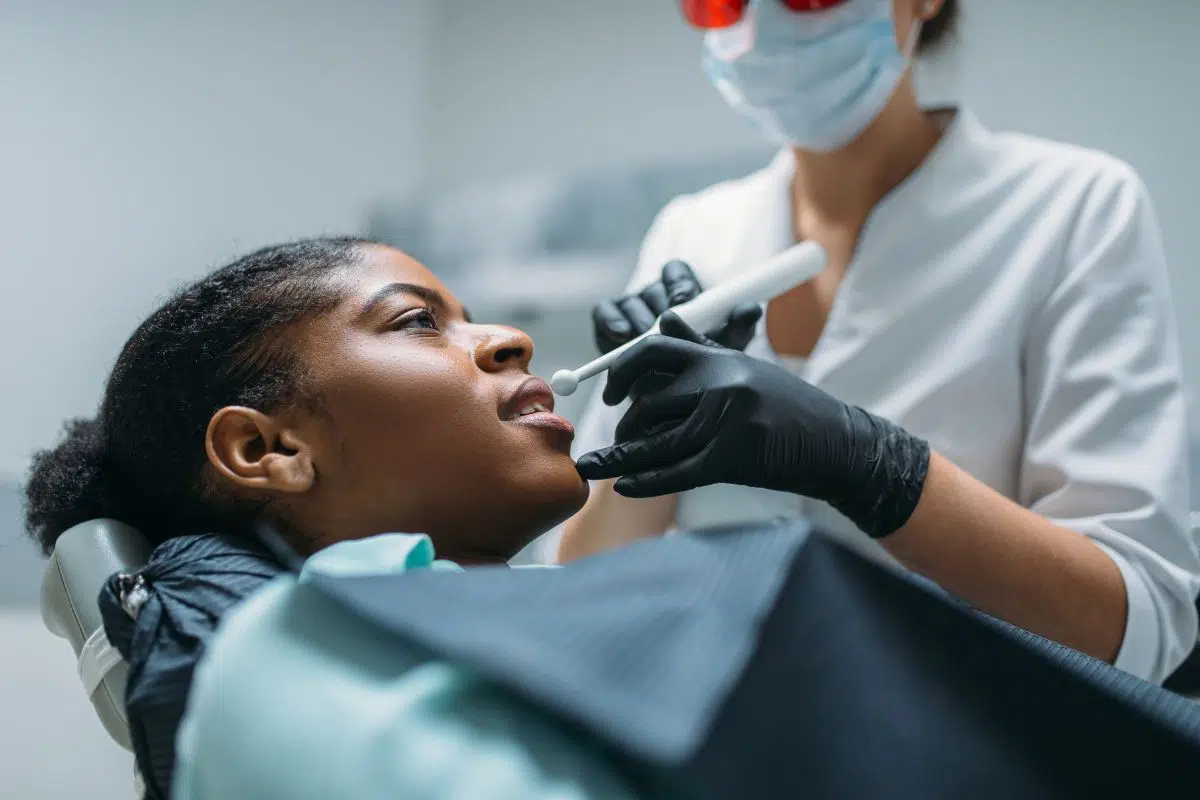
They are made from safe, biocompatible materials such as resin or glass ionomer. Once applied, they bond directly to the tooth and harden with the help of a curing light. The process is quick and painless, and requires no drilling or anesthesia. For both children and adults, these enamel protectants provide an added layer of defense against cavities.
Key Benefits of Dental Sealants
The most important benefit of dental sealants is cavity prevention. Studies show that sealants reduce the risk of decay in molars by up to 80 percent in the first two years, with protection lasting several years after application. For children, this means fewer fillings and healthier teeth during critical growth years. Adults with deep grooves in their molars also experience strong protection.
Sealants are non-invasive, making them an easy option for patients who want preventive care without discomfort. The procedure usually takes just minutes per tooth and does not involve injections, drilling, or recovery time. Once in place, patients can eat and drink normally.
Cost is another significant advantage. Preventing cavities with sealants is much more affordable than restorative treatments such as fillings, crowns, or root canals. For families, this makes sealants a smart long-term investment in oral health.
Understanding the Risks
Although highly effective, sealants are not without concerns, making people wonder, ‘Are dental sealants safe?’ One possible issue is wear or loss of the sealant over time. If the surface of the tooth is not completely dry during application, the bond may fail, leading to reduced protection. This is why regular dental checkups are important to ensure sealants remain intact.
Another topic that comes up is BPA exposure. Some resin-based sealants contain trace amounts of bisphenol A. However, studies confirm that the amount is extremely small and limited to the first few hours after placement. In fact, the level of exposure is lower than what most people encounter through everyday items.
There is also a risk of trapping bacteria if the coating is applied over a tooth that already has decay. To avoid this, dentists thoroughly clean and examine the teeth before application. With proper placement, sealants remain a safe and effective preventive treatment.
Myths vs. Facts
Despite years of proven success, several myths about this procedure persist. One common myth is that sealants are dangerous because of chemical exposure. In reality, dental organizations and regulatory agencies have reviewed the research and continue to recommend sealants as a safe option for preventing cavities.
Another myth is that sealants are only for children. While they are most commonly applied when a child’s permanent molars erupt, adults with cavity-prone teeth can also benefit. Sealants are especially useful for patients with deep grooves that are difficult to clean, regardless of age.
A third myth is that the procedure is painful. This could not be further from the truth. Sealant application is one of the simplest dental treatments available. It involves cleaning the tooth, applying the sealant, and using a light to harden the material. Patients experience no discomfort, and the process is often completed in a single visit.
So, are dental sealants safe? The evidence shows they are a reliable, low-risk way to prevent cavities for both children and adults. If you want to protect your family’s teeth and reduce future dental costs, dental sealants are worth considering. For personalized guidance, schedule an appointment. Their team can evaluate your needs, explain your options, and provide preventive care that helps keep your smile healthy for years to come.