
Have you ever worried about cavities and wondered if dental sealants are the right choice for you or your child? A common question we hear is, “Do dental sealants hurt?” It’s natural to feel anxious about dental treatments, but according to Dr. Kelly B. Wettstein at Affinity Dental Queen Creek, sealants are a quick, painless, and highly effective way to protect teeth from decay.
Dental sealants act as a protective shield, covering the grooves of your teeth where food and bacteria can get trapped. In this article, we’ll guide you through everything you need to know—from how sealants work and what to expect during the procedure to why this preventive treatment is one of the easiest ways to keep your smile healthy. By the end of it, you’ll understand why dental sealants are a comfortable, safe, and highly recommended step in cavity prevention.
What Are Dental Sealants and How Do They Work?
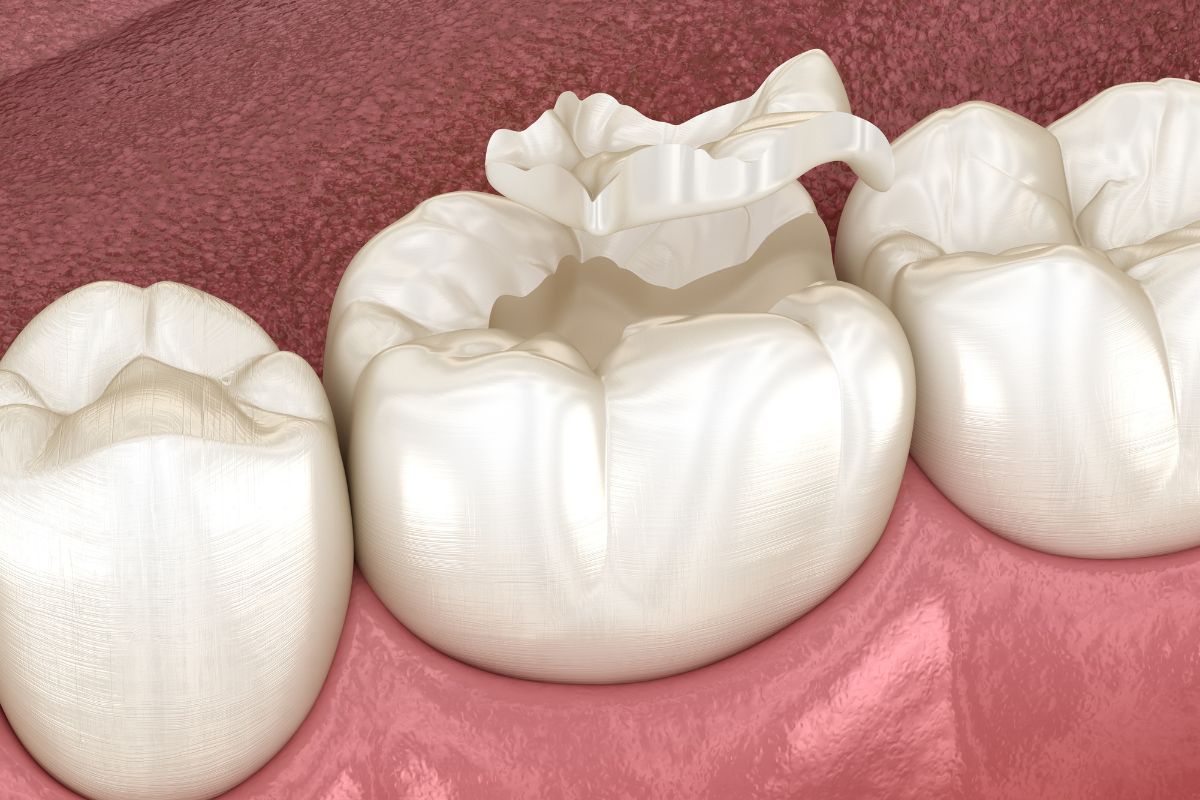
Dental sealants are a preventive measure designed to protect the back teeth, which are mainly prone to cavities. These teeth have deep grooves and ridges that can trap food particles and bacteria, making them difficult to clean thoroughly with brushing alone.
Dental sealants are thin, protective coatings placed on the chewing surfaces of your molars and premolars. They act as a barrier, sealing out bacteria, food particles, and acids that cause tooth decay.
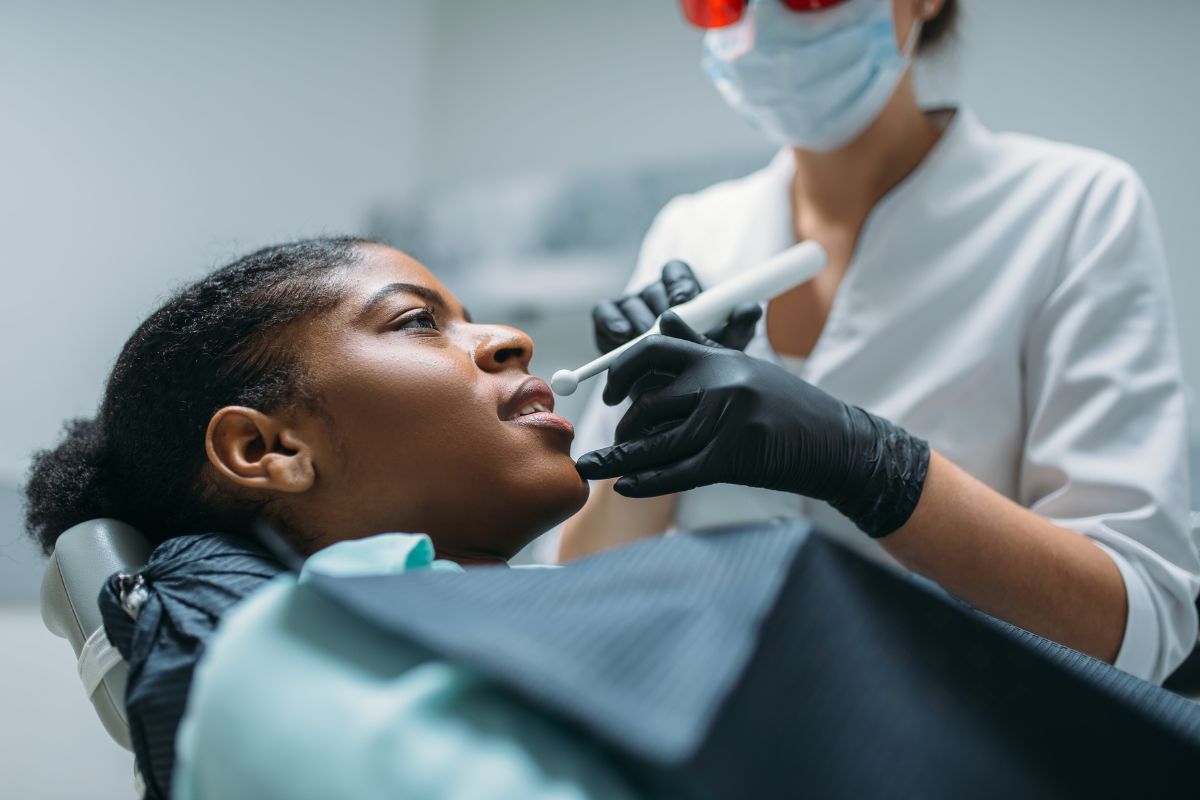
The procedure for applying dental sealants at Affinity Dental Queen Creek is simple, fast, and completely comfortable. There’s no drilling, no discomfort—just a gentle application of a durable plastic resin that bonds directly to the tooth’s surface. This creates a smooth, protective barrier that helps prevent cavities and keeps your smile healthy for years.
Do Dental Sealants Hurt?
One of the most common concerns about molar shields is whether the procedure is painful. The great news is that dental sealants do not hurt. In fact, the procedure is virtually painless from start to finish. Here’s what you can expect:
1. Cleaning and Preparing the Tooth
The first step involves cleaning the teeth to remove plaque and food debris. This step ensures that the sealant adheres properly to the tooth. Your dentist will then apply a special gel that roughens the surface of the tooth slightly to help the sealant bond effectively. The gel is safe and doesn’t cause any discomfort.
2. Applying the Sealant
After the tooth is prepared, your dentist will apply the sealant material to the grooves of the tooth. The material is painted directly onto the surface and allowed to flow into every tooth crevice. The process is painless and only takes a few minutes.
3. Hardening the Sealant
Once the sealant is applied, a special light is used to harden it. This step only takes about 20-30 seconds and does not cause any discomfort. When the sealant is fully hardened, it forms a strong, durable barrier over the tooth, ready to protect it from cavities.
4. Finishing Touches
Your dentist will check to ensure the sealant is properly applied and, if necessary, adjust it to ensure it fits perfectly. Once complete, you can go about your day with a new layer of protection on your teeth, without pain or hassle.
The Benefits of Dental Sealants
Now that we’ve answered the question, “Do dental sealants really hurt?”, let’s take a look at why they are so beneficial for your dental health:
1. Prevention of Cavities
The primary benefit of molar shields is their ability to prevent cavities in the back teeth. These teeth are the hardest to clean and most susceptible to decay. By sealing them, you significantly reduce the chances of plaque buildup and tooth decay.
2. Quick and Easy Procedure
Applying dental coatings takes very little time—often about 10-20 minutes per tooth. This makes it a quick, efficient way to protect your teeth without invasive treatments or lengthy appointments.
3. Non-Invasive and Painless
Unlike treatments like fillings or crowns, dental sealants don’t require drilling or anesthesia. The procedure is non-invasive and causes no discomfort, making it an excellent option for children, teens, and adults.
4. Long-Lasting Protection
These restorations can last for several years with proper care. During routine dental visits, your dentist will ensure the sealants are intact. If any damage occurs, they can be easily reapplied, ensuring continuous protection.
How Long Do Dental Sealants Last?
These restorations are designed to be durable and, depending on how well they are maintained, can last 5 to 10 years.
Regular dental checkups will ensure the sealants remain intact and functioning properly. If they begin to wear down or crack, your dentist can easily replace them.
When to Consider Dental Sealants?
Dental coatings are especially beneficial for children and teenagers, as they are more likely to develop cavities in their back teeth due to the difficulty of brushing those areas. However, adults can also benefit from this preventive measure if they are at risk for tooth decay or have deep grooves in their molars.
If you or your child is prone to cavities or has difficulty keeping your back teeth clean, dental coverings are an excellent option for long-term protection.
Get Dental Sealants at Affinity Dental Queen Creek
If you’re wondering whether dental sealants are right for you or have questions about the procedure, don’t hesitate to contact us.
Our dental office specializes in preventive care, including applying dental sealants to help keep your teeth healthy and cavity-free. Our team will provide personalized care and ensure you get the best treatment for your dental needs. Schedule your appointment with Affinity Dental Queen Creek and let our experts offer top-quality sealant treatment for optimal protection.