
Missing most or all of your teeth can make everyday activities like eating, speaking, and smiling more difficult. The benefits of full arch dental implants go beyond restoring the appearance of your smile. This treatment can also improve chewing function, provide greater stability than traditional removable dentures, and support long-term oral health when properly planned and maintained.
For people dealing with extensive tooth loss or uncomfortable dentures, full arch dental implants may offer a practical tooth replacement option. Understanding how this treatment works, its advantages, and the factors that affect candidacy can help you decide whether it fits your needs.
At Affinity Dental Queen Creek, led by Dr. Kelly B. Wettstein, patients can explore tooth replacement options based on their oral health, treatment goals, and individual circumstances.
What Are Full Arch Dental Implants?
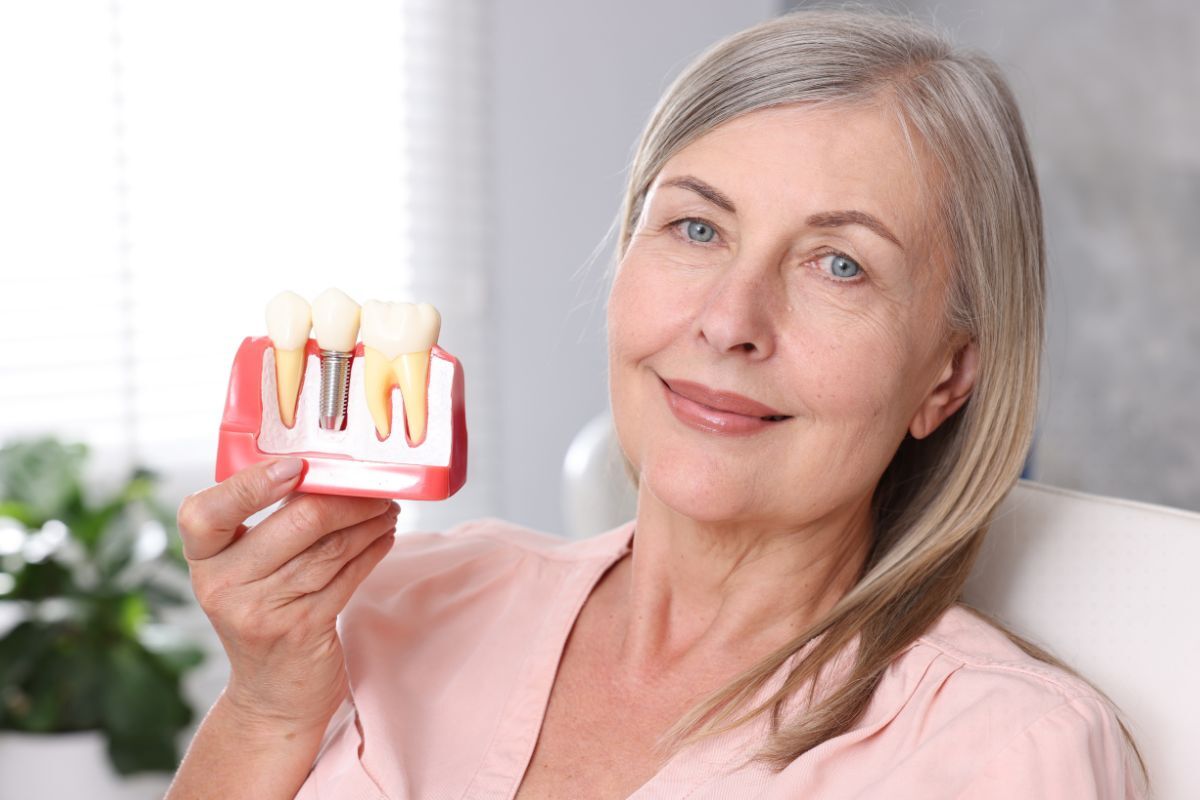
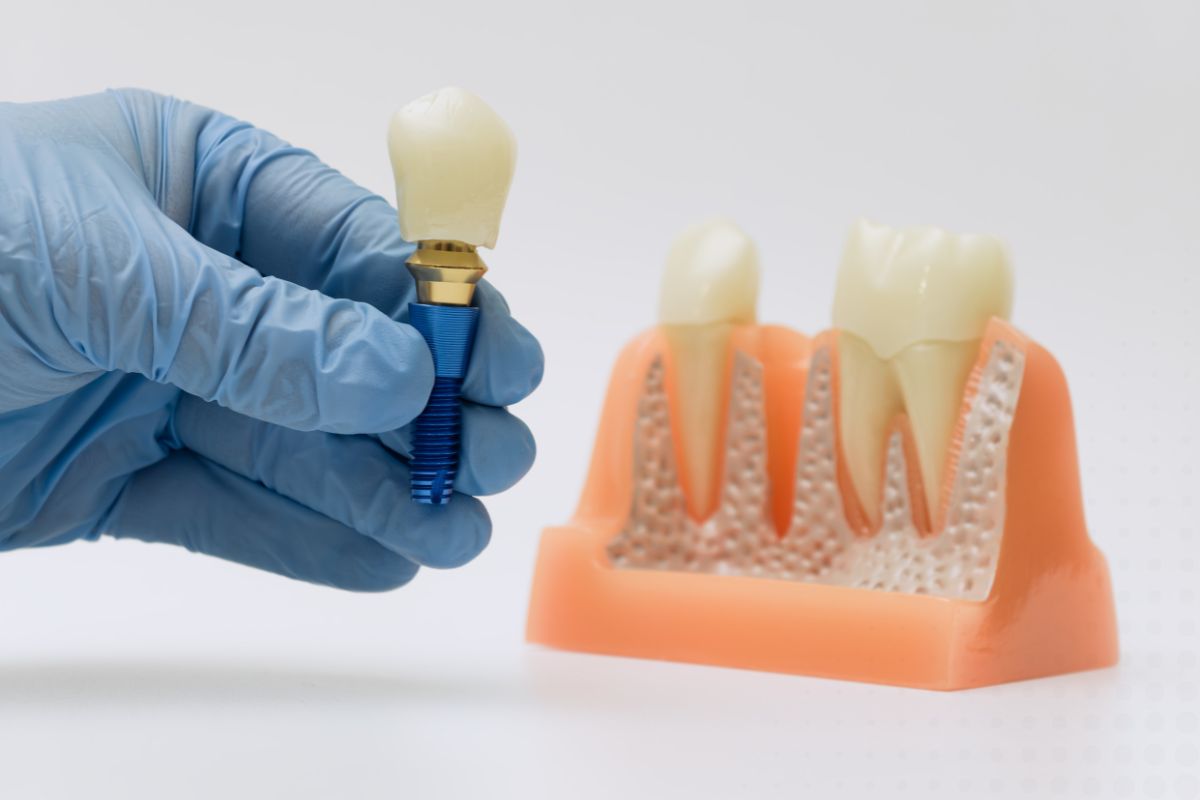
Full arch dental implants replace most or all missing teeth in the upper jaw, lower jaw, or both. Instead of placing an individual implant for every missing tooth, a dentist strategically positions several implants to support a complete arch of replacement teeth.
The implants act as anchors for a custom-made dental prosthesis. Depending on the treatment plan, the replacement teeth may be fixed in place or designed for removal by a dental professional.
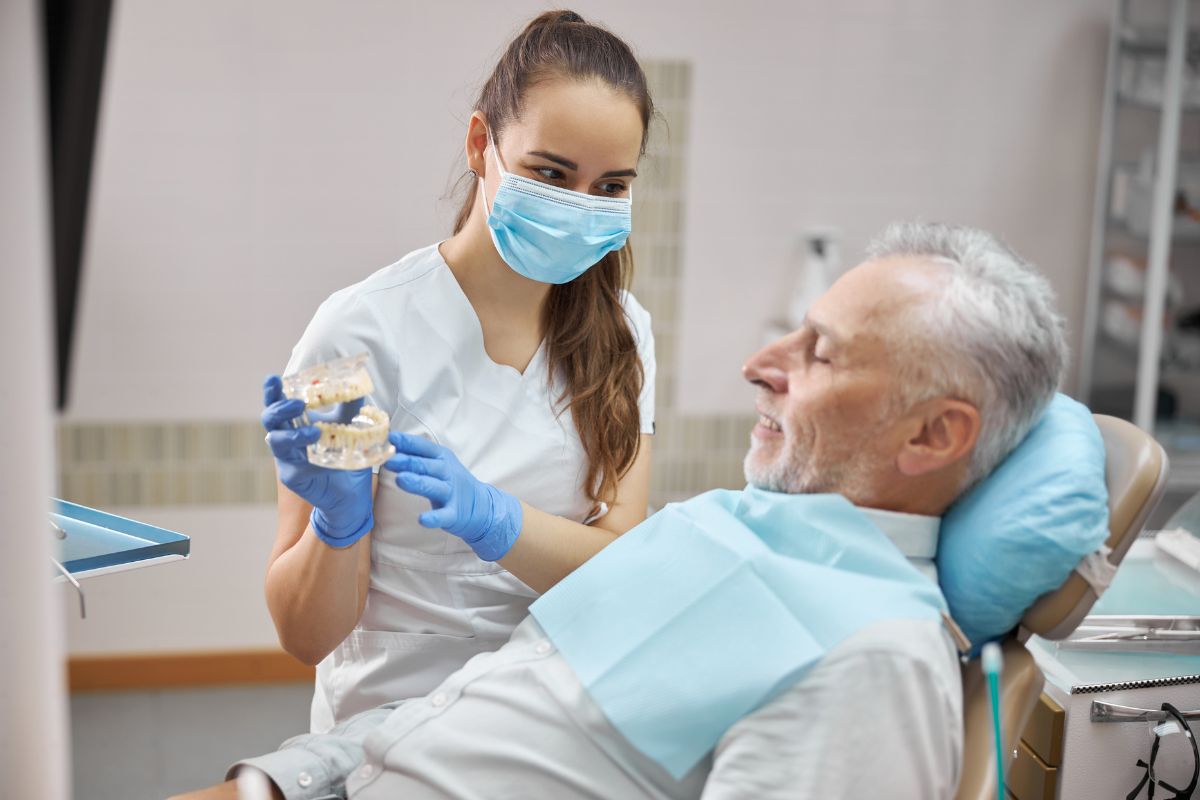
Patients considering dental implant treatment can discuss whether a full arch restoration is appropriate for their oral health and the number of teeth they need to replace.
7 Key Benefits of Full Arch Dental Implants
Full arch dental implants offer several potential advantages for people with extensive tooth loss. The results depend on factors such as bone health, implant placement, the design of the replacement teeth, and ongoing maintenance.
1. Greater Stability Than Traditional Dentures
Loose dentures can shift while eating, speaking, or laughing. This movement may cause discomfort and make everyday activities less enjoyable.
Full arch restorations supported by dental implants are anchored to the jawbone, providing greater stability than conventional removable dentures. This can help patients feel more comfortable during meals and conversations without relying on denture adhesive for a fixed restoration.
Greater stability can also make daily activities feel more predictable, although some adjustment may be necessary after treatment.
2. Improved Chewing Function
Missing teeth can limit your ability to bite and chew certain foods. Poorly fitting dentures may create additional challenges because they can move under pressure.
One of the important benefits of full arch dental implants is the potential to restore more effective chewing function. A stable replacement arch can help patients manage a wider variety of foods once their dentist confirms that the restoration is ready for normal use.
Your dentist will provide specific dietary instructions during healing. Eating habits may need to change temporarily while the implants integrate with the jawbone.
3. A Natural-Looking Smile
Tooth loss can affect the appearance of your smile and make you feel less comfortable in social situations. Full arch dental restorations are custom-designed to complement your facial features and create a balanced appearance.
The replacement teeth can be designed around factors such as tooth shape, size, color, and the appearance of your gums. This personalized approach helps create a smile that looks natural while restoring missing teeth.
Although the final appearance varies from person to person, careful treatment planning helps align the restoration with your aesthetic goals.
4. Support for Jawbone Health
When natural teeth are lost, the jawbone in the affected area may gradually shrink because it no longer receives the same stimulation from tooth roots.
Dental implants transfer chewing forces to the surrounding bone, helping maintain bone in areas where the implants are placed. This is an important advantage over conventional dentures, which do not provide the same direct stimulation.
However, implants do not prevent all bone loss throughout the jaw. Your bone condition and the distribution of the implants will influence the outcome, and some patients may require bone grafting before treatment.
5. Better Speech and Everyday Comfort
Missing teeth and poorly fitting dentures can affect the way you pronounce certain sounds. Dentures that move during conversation may also make you feel self-conscious.
Because implant-supported teeth are anchored in place, they can reduce the movement associated with removable dentures. This stability may help improve speech comfort for some patients.
Your mouth will still need time to adapt to the new restoration. Your dentist can help address any ongoing speech or comfort concerns after treatment.
6. A More Convenient Daily Care Routine
Full arch dental implants can simplify some aspects of daily life, particularly when compared with conventional removable dentures that require removal and separate cleaning.
However, implant-supported restorations still need careful maintenance. Patients should follow the recommended brushing and cleaning techniques, use any prescribed cleaning aids, and attend regular dental checkups.
Proper care helps control plaque around the implants and reduces the risk of inflammation affecting the surrounding tissues. Your dental team can demonstrate how to clean beneath the replacement arch and around the implant-supported restoration.
7. A Long-Term Tooth Replacement Option
Full arch dental implants are designed to provide long-term support for replacement teeth. With appropriate planning, good oral hygiene, and routine professional care, implants can remain functional for many years.
The implant posts and the prosthetic teeth have different maintenance needs. The replacement arch may eventually require repairs, adjustments, or replacement due to normal wear, even when the implants remain stable.
Although the initial cost may be higher than that of conventional dentures, the long-term value depends on your treatment needs, maintenance expenses, and how well the restoration performs over time.
Who Is a Good Candidate for Full Arch Dental Implants?
Full arch dental implants may be suitable for people who have lost most or all of their teeth in the upper or lower jaw. They may also be an option for patients who struggle with loose dentures or want a more stable alternative.
Your dentist will evaluate several factors before recommending treatment, including:
- Jawbone health: Adequate bone is needed to support the implants, although bone grafting may be possible when additional support is required.
- Gum health: Existing gum disease should be assessed and managed before implant placement.
- General health: Certain medical conditions and medications may influence healing and treatment planning.
- Oral hygiene: A commitment to daily cleaning and regular dental visits is important for long-term implant health.
- Treatment expectations: Your dentist will explain the available restoration types, expected results, limitations, and costs.
Not everyone is an immediate candidate for implant placement. A comprehensive examination and appropriate imaging can help determine which treatment approach is most suitable.
What Is the Full Arch Dental Implant Procedure?
The treatment process varies depending on your oral health, bone condition, and restoration design. It generally includes the following stages.
1. Initial Consultation and Treatment Planning
Your dentist evaluates your teeth, gums, bite, and jawbone. Dental imaging may be used to assess bone volume and identify important anatomical structures.
Based on these findings, the dental team develops a treatment plan and discusses the number of implants, restoration options, timeline, and expected costs.
2. Implant Placement
During surgery, the dentist places the implants into planned positions in the jawbone. The procedure is performed with appropriate anesthesia, and sedation may be available depending on the treatment setting and individual needs.
3. Healing and Restoration Support
The implants need time to integrate with the surrounding bone. Some patients may receive a temporary restoration during this period, while others require a different approach based on their clinical circumstances.
Your dentist will explain what you can eat, how to clean your mouth, and when the restoration can safely handle greater chewing forces.
4. Placement of the Final Restoration
Once healing and implant stability have been assessed, the final replacement arch can be attached according to the treatment plan. Your dentist will check the fit, bite, comfort, and appearance.
Follow-up appointments help monitor healing and identify any adjustments that may be needed.
Restore Your Smile With Full Arch Dental Implants
The benefits of full arch dental implants can include improved chewing function, greater stability, a natural-looking smile, and support for jawbone health. For people with extensive tooth loss, this treatment may provide a valuable alternative to conventional removable dentures.
However, the right approach depends on your oral health, bone condition, treatment goals, and ability to maintain the restoration over time.
If you are exploring tooth replacement options, Affinity Dental Queen Creek, led by Dr. Kelly B. Wettstein, can help you understand the available treatments and determine which options may suit your needs. Schedule your appointment to discuss full arch dental implants and take the next step toward restoring your smile.