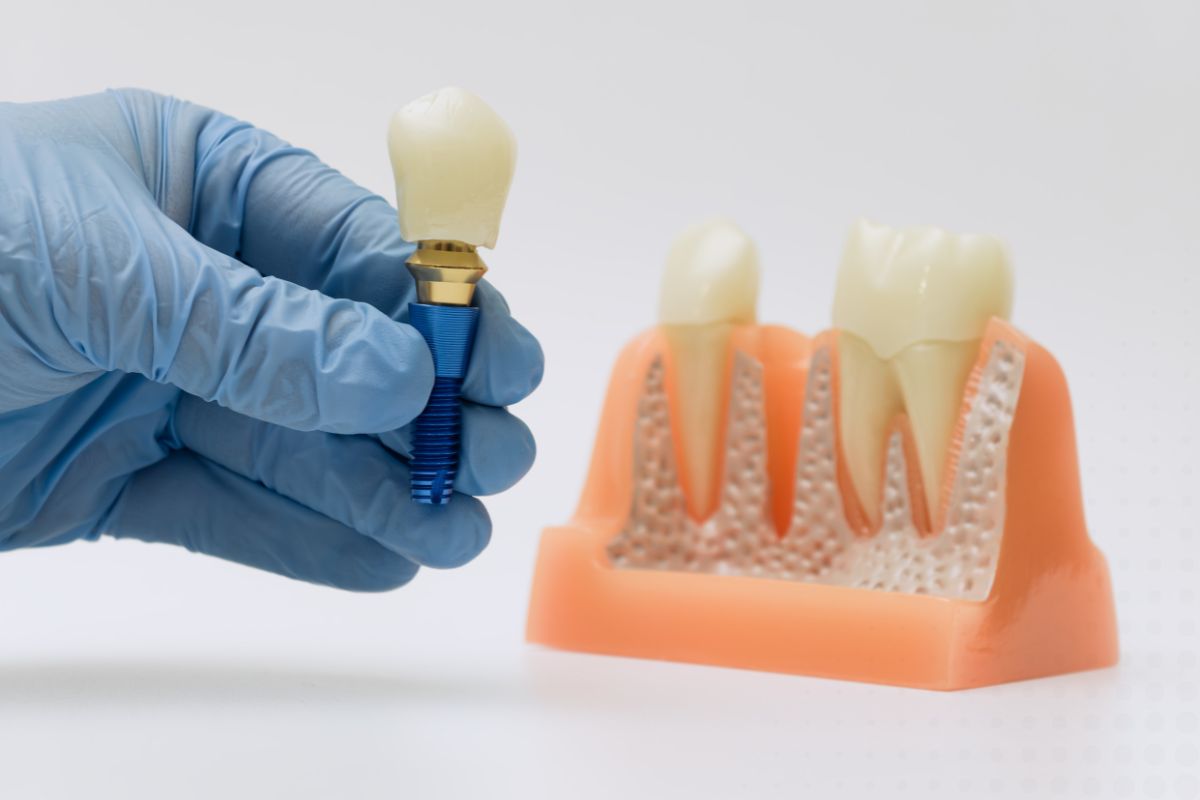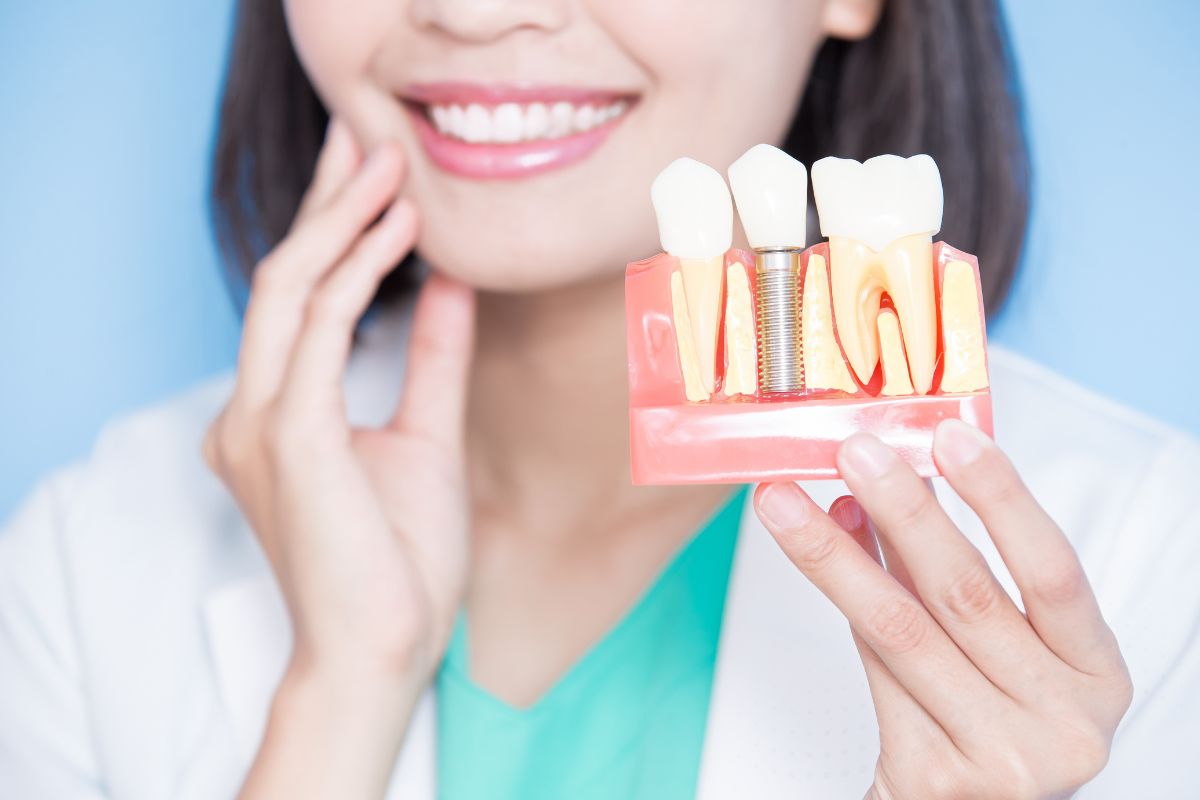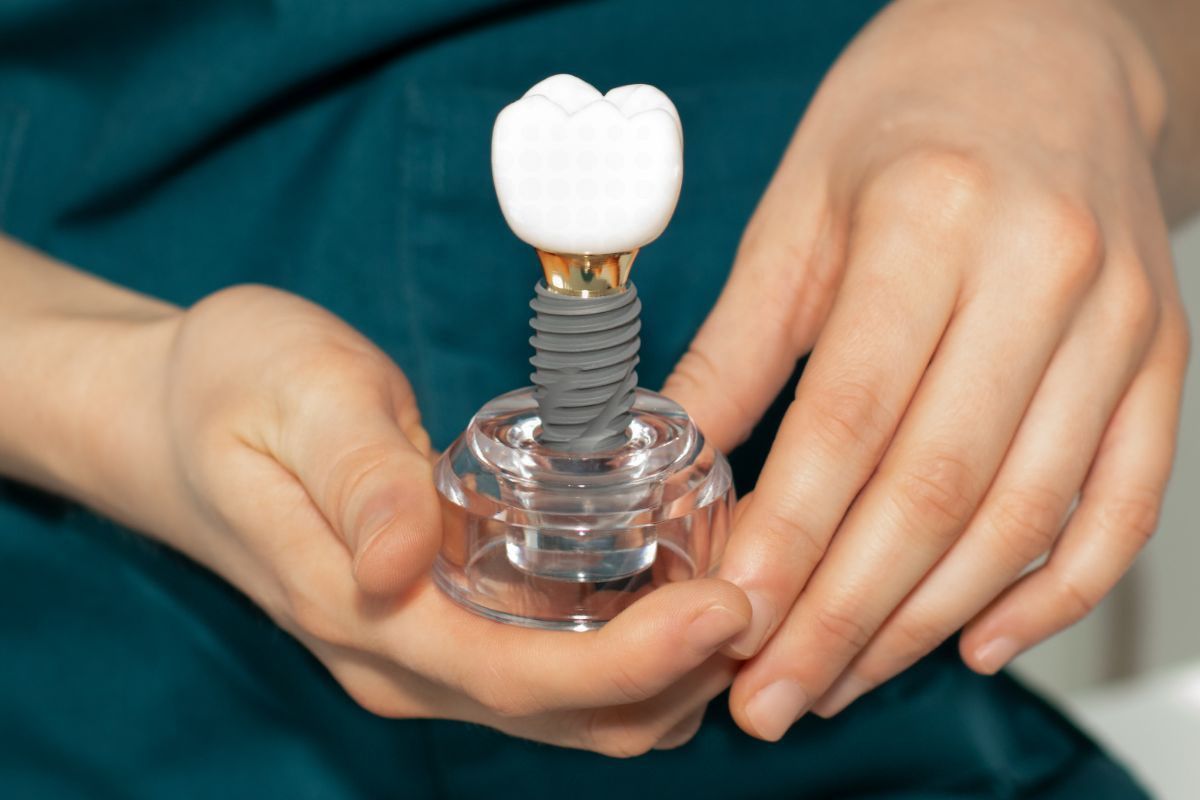

Dental implants for older adults can be an option for people who have lost one or more teeth and want a stable replacement. Age alone does not automatically rule out treatment. At Affinity Dental in Queen Creek, older patients can discuss their oral health, medical history, and tooth replacement goals with the dental team to determine whether implants may fit their needs.
Missing teeth can affect much more than appearance. A gap may make chewing harder, change how nearby teeth function, or affect confidence when speaking and smiling. Fortunately, adults have several tooth replacement options, including bridges, dentures, and implants. The right choice depends on the individual rather than age alone.
Is Age a Barrier to Dental Implants?
Many older adults wonder whether they are simply too old for implant treatment. In most cases, chronological age by itself does not determine candidacy.
Instead, the dental team looks at the person’s overall health and the condition of their mouth. Affinity Dental explains that health can matter more than age when evaluating whether someone may be a candidate. The practice also notes that certain chronic conditions may affect treatment, so a careful review of dental and medical history is important.
For an older adult, the evaluation may consider:
- General health
- Gum health
- Jawbone condition
- Number and location of missing teeth
- Existing oral infections
- Medications
- Smoking habits
- Ability to maintain daily oral hygiene
- Healing considerations
- Previous dental treatment
Therefore, an older adult should not assume that age automatically prevents treatment. A professional evaluation can provide a more accurate answer.
How Dental Implants for Older Adults Can Support Daily Life
Missing teeth can affect everyday activities. A person may avoid certain foods because chewing feels uncomfortable or difficult. They may also feel less confident when talking or smiling.
At Affinity Dental Queen Creek, implant treatment is designed to replace missing teeth at the root level and provide a stable foundation for a replacement tooth. The practice states that implants can replace one or more missing teeth and may help provide strength and stability similar to natural teeth.
For some older adults, potential benefits include:
- A more stable replacement for a missing tooth
- Improved chewing ability
- Support for natural-looking restorations
- A more complete smile
- Less reliance on removable appliances in some situations
- A long-term tooth replacement option when appropriate
However, these benefits do not mean implants are automatically the right solution for everyone. A personalized examination remains essential.
What Should Older Adults Consider Before Treatment?
Choosing tooth replacement is a personal decision. Older adults should look beyond age and consider several factors before beginning treatment.
1. Overall Health
A complete health history helps the dental team understand whether treatment is appropriate.
Certain medical conditions may affect healing or influence how treatment should proceed. Your dental provider may also need information about medications and other ongoing care.
Make sure the dental team knows about:
- Prescription medications
- Over-the-counter medications
- Medical conditions
- Previous surgeries
- Allergies
- Smoking or tobacco use
- Any history of problems with healing
Do not stop taking a prescribed medication simply because you are considering an implant procedure. Instead, discuss your medications with your healthcare providers.
2. Gum Health
Healthy gums provide important support for teeth and oral structures. Gum disease can damage the tissues and bone that support teeth, so treating active gum problems may be an important part of preparing for tooth replacement.
Older adults should report symptoms such as:
- Bleeding gums
- Swollen gums
- Persistent bad breath
- Gum tenderness
- Loose teeth
- Changes in the way teeth fit together
The National Institute on Aging recommends regular oral care and professional checkups as people age because gum disease and tooth decay remain important concerns for older adults.
3. Jawbone Support
An implant needs adequate bone support. After tooth loss, the jawbone can gradually change because the natural tooth root no longer stimulates the surrounding bone.
Affinity Dental notes that the amount of available bone is an important factor when determining whether a patient may be a candidate. A detailed examination can help the provider assess the condition of the area and determine the appropriate treatment approach.
Bone changes do not necessarily mean that a person has no treatment options. Depending on the individual situation, a dental professional may discuss additional procedures or alternative restoration options.
4. Daily Oral Hygiene
Implant treatment does not eliminate the need for oral care.
Once treatment is complete, the replacement teeth still need regular cleaning and professional monitoring. Affinity Dental recommends brushing, flossing, and routine visits as directed by the dental team.
A good home routine can include:
- Brushing twice each day
- Cleaning between teeth every day
- Following professional cleaning recommendations
- Reporting changes such as pain or swelling
- Keeping regular dental appointments
Good maintenance can help protect both the restoration and the surrounding oral tissues.
How Existing Medical Conditions May Affect Treatment
Older adults often manage one or more long-term health conditions. That does not automatically mean they cannot receive implants. However, their medical history becomes an important part of treatment planning.
For example, the dental team may need to consider conditions or medications that can affect healing, bleeding, infection risk, or bone health.
The best approach is to provide complete and accurate health information before treatment.
Bring an Updated Medication List
A current medication list can help the dental team plan safely. Include:
- Prescription medications
- Vitamins and supplements
- Blood-thinning medications
- Bone-related medications
- Allergy medications
- Any other regularly used products
If your healthcare provider needs to be involved in treatment planning, your dental team can determine what information is needed.
What If an Older Adult Has Worn Dentures?
Older adults who already wear dentures may still have other tooth replacement options.
The choice depends on how many teeth are missing, the condition of the remaining teeth, jawbone support, gum health, comfort, and personal preferences.
Possible options can include:
- Traditional dentures
- Partial dentures
- Fixed bridges
- Individual implants
- Implant-supported dentures
Affinity Dental offers both dental implants and implant-supported dentures among its restorative and cosmetic services.
An implant-supported denture may provide a different level of stability than a conventional removable denture. However, candidacy and treatment design vary from person to person.
What Can the Consultation Include?
A consultation gives the dental team an opportunity to understand your goals and examine your oral health.
Depending on your situation, the evaluation may involve:
Oral Examination
The provider checks your teeth, gums, bite, and the area where teeth are missing.
Imaging
Dental imaging can help the team evaluate the jaw and surrounding structures when planning treatment.
Medical History Review
Your health conditions and medications may affect the treatment plan, so providing accurate information is important.
Treatment Discussion
The team can explain potential options and discuss factors such as timing, restoration type, expected maintenance, and whether additional treatment may be necessary.
Affinity Dental describes its approach as personalized, with the treatment plan based on the patient’s needs and comfort. Its Queen Creek practice also provides modern technology and comprehensive dental services in one location.
Are Dental Implants Worth Considering Instead of Dentures?
There is no single tooth replacement option that works best for every patient.
Dentures can replace several or all missing teeth and may suit people who prefer a removable option. Bridges can replace missing teeth by using neighboring teeth for support. Implants provide another approach by replacing the root structure and supporting a replacement tooth or restoration.
The American Dental Association notes that implants can be an option for replacing missing teeth and may provide a result that resembles a natural tooth.
When comparing options, older adults can consider:
- Comfort
- Stability
- Appearance
- Maintenance
- Number of missing teeth
- Existing bone support
- Overall health
- Treatment timeline
- Long-term goals
- Cost and insurance considerations
A consultation can help clarify how these factors apply to your situation.
Recovery and Aftercare
Recovery varies based on the type and extent of treatment. One person may have a straightforward procedure, while another may require several stages of care.
After treatment, follow the instructions provided by your dental team. You may need to adjust certain foods or activities for a period of time while the area heals.
Affinity Dental notes that some bruising or swelling can occur after treatment and that discomfort is generally manageable. The practice also emphasizes follow-up care and regular hygiene after treatment.
Contact your dental office if you experience unexpected or worsening symptoms during recovery.
Questions Older Adults Should Ask Before Choosing Treatment
A good consultation should give you enough information to make a comfortable, informed decision.
Consider asking:
- Am I a candidate for this treatment?
- How does my medical history affect my options?
- Do I have enough bone support?
- Do I need treatment for gum disease first?
- What type of restoration would I receive?
- How long could the overall process take?
- What care will I need afterward?
- What alternatives should I consider?
- How should my existing medications be handled?
- How often will I need follow-up appointments?
Writing your questions down before the appointment can make the conversation easier.
Why Regular Dental Care Still Matters After Treatment
Replacing a missing tooth does not mean oral care can stop.
Older adults should continue regular checkups and daily hygiene. The National Institute on Aging recommends brushing with fluoride toothpaste, cleaning between teeth daily, and maintaining routine professional care to help protect oral health as people age.
Regular visits also give the dental team an opportunity to monitor the restoration, gums, remaining natural teeth, and overall oral health.
So, can older adults receive dental implants? In many cases, yes. Age alone does not determine whether treatment is appropriate. Instead, the decision depends on factors such as overall health, gum health, available jawbone, medications, healing considerations, and the condition of the mouth.
For someone with missing teeth, an implant may offer a stable and long-term tooth replacement option. However, every patient has different needs, so an individual examination is the best way to understand the available choices.
If you are considering dental implants for older adults and want to understand whether they may fit your needs, schedule an implant consultation with Affinity Dental in Queen Creek, AZ, to discuss your oral health, treatment options, and personalized next steps.