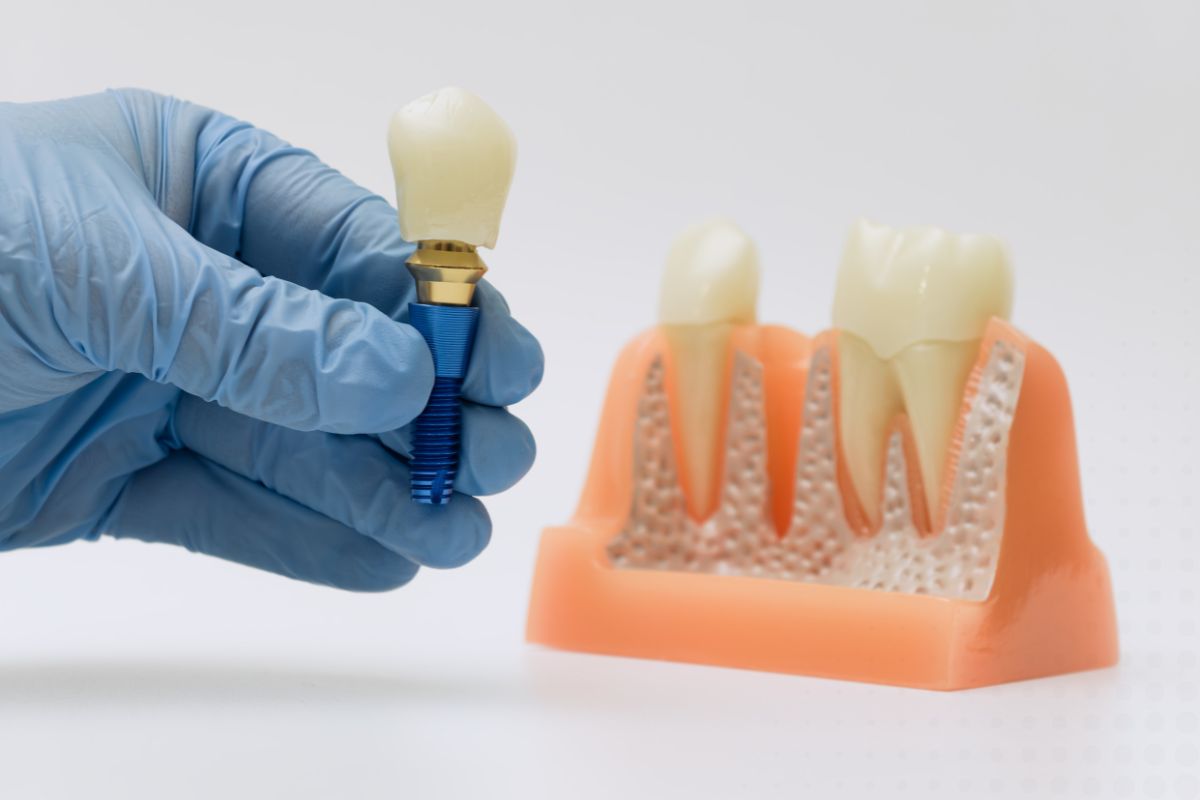

Can dental implants affect your sense of taste? If you are considering dental implants to replace missing teeth, this is a reasonable question to ask before treatment. Dental implants are designed to restore the function and appearance of missing teeth, and they generally do not directly affect your ability to taste food. However, some people may notice temporary changes in taste after implant surgery because of swelling, medications, dry mouth, or changes during healing.
Understanding what causes these changes can help you know what to expect during recovery and when to contact your dentist.
At Affinity Dental Queen Creek, led by Dr. Kelly B. Wettstein, patients receive personalized guidance throughout the dental implant process. Understanding the procedure, recovery period, and possible side effects can help you make an informed decision about replacing missing teeth.
Can Dental Implants Affect Your Sense of Taste?
In most cases, dental implants do not significantly affect your sense of taste. An implant replaces a missing tooth root with a small post, usually made of titanium, that supports a replacement tooth. The implant does not normally interfere with the taste buds on your tongue.
However, you may notice a temporary metallic taste, an unusual flavor in your mouth, or a reduced ability to enjoy certain foods after surgery. These changes are often related to the healing process or other factors rather than the implant itself.
Taste and smell also work together to help you experience flavors. When your mouth feels dry, swollen, or uncomfortable after surgery, food may taste different than usual.
If you notice changes in taste following implant placement, your dentist can help determine whether they are related to healing, medications, or another oral health concern.
What Causes Taste Changes After Dental Implant Surgery?
Several factors may contribute to changes in taste after dental implant surgery. Knowing the possible causes can help you understand what is normal during recovery and when professional advice may be necessary.
1. Swelling and Tissue Healing
Dental implant placement involves a surgical procedure that affects the gums and surrounding tissues. Swelling, tenderness, and minor bleeding can occur as your mouth begins to heal.
These changes may temporarily affect how your mouth feels and how you experience food. You might find that certain flavors seem less noticeable or that eating feels different during the first few days of recovery.
Taste changes associated with routine healing generally improve as swelling decreases. Follow your dentist’s aftercare instructions and report symptoms that persist, worsen, or seem unusual.
2. Medications Used During Recovery
Medications prescribed after dental implant surgery may temporarily change your taste. Certain antibiotics and pain medications can cause an unpleasant, bitter, or metallic taste in some people.
Local anesthesia can also temporarily affect sensations in your mouth while its effects wear off.
If you suspect that a medication is affecting your taste, discuss it with your dentist or prescribing healthcare professional. Do not stop taking prescribed medication or change your dosage without professional guidance.
3. Dry Mouth and Reduced Saliva
Saliva plays an important role in taste because it helps dissolve food compounds so that your taste receptors can detect them. When saliva production decreases, food may taste bland, unusual, or less flavorful.
Dry mouth can occur because of certain medications, dehydration, or other health factors during recovery.
Drinking water regularly, when permitted by your postoperative instructions, may help relieve mild dryness. If the problem continues, your dentist can recommend suitable ways to manage it.
4. Changes in Oral Sensation
The nerves in and around your mouth help you experience taste, temperature, texture, and other sensations. Although dental implant surgery is not expected to change taste directly, surgical procedures involving the jaw can occasionally affect nearby nerves.
Nerve-related complications may cause numbness, tingling, or altered sensation in the tongue, lips, or chin, depending on the location of the procedure.
Persistent numbness or unusual sensations should not be ignored. Contact your dentist promptly if you experience these symptoms after implant surgery, particularly if they are new or worsening.
5. Metal Sensitivity or Other Oral Health Issues
Titanium is widely used in dental implants because of its biocompatibility. Reactions to implant materials are uncommon, and a metallic taste alone does not establish that you have a metal allergy.
Other issues, such as gum inflammation, infection, oral hygiene problems, or unrelated medical conditions, may also contribute to an unusual taste.
If you experience a persistent metallic taste, gum swelling, increasing pain, or other concerning symptoms, arrange an evaluation to identify the underlying cause rather than assuming the implant material is responsible.
How Long Do Taste Changes Last After Dental Implant Surgery?
The duration of taste changes depends on their cause. If the change is related to temporary swelling, anesthesia, or medication, it may improve as the immediate effects of surgery wear off and healing progresses.
Dry mouth or an unrelated oral health problem may require additional attention. Symptoms associated with nerve irritation or injury can follow a different recovery course and should be assessed by a dental professional.
There is no single recovery timeline that applies to everyone. Your dentist can evaluate your symptoms, review your medications, and recommend appropriate next steps.
Contact your dentist if a taste change persists, becomes more noticeable, or occurs alongside other symptoms. Seek prompt dental advice for increasing pain, worsening swelling, pus, fever, or persistent numbness after surgery.
How Can You Manage Taste Changes After Dental Implant Placement?
If you notice an unusual taste during recovery, a few practical steps may help support your comfort while your mouth heals.
Follow Your Postoperative Instructions
Follow the care instructions provided by your dental team. Avoid disturbing the surgical site, and use any recommended rinses or cleaning methods as directed.
Maintaining good oral hygiene is also important for protecting your gums and supporting recovery. Guidance on maintaining oral health after dental implants can help you understand the role of daily care in keeping your mouth healthy.
Stay Hydrated
Drink water regularly if your postoperative instructions permit it. Adequate hydration can help manage mild dry mouth and support normal saliva production.
If dryness continues despite these measures, ask your dentist whether a saliva substitute or another approach may be appropriate.
Choose Comfortable Foods
During the initial healing period, follow your dentist’s dietary recommendations. Soft foods may be easier to eat while your gums recover.
If food tastes different, choose nutritious foods with flavors and textures you find comfortable. Avoid very hot, spicy, or hard foods when your dental team advises against them.
Attend Follow-Up Appointments
Follow-up visits allow your dentist to check the surgical site and monitor healing. These appointments also provide an opportunity to discuss any changes in taste, discomfort, or other concerns.
Report when the symptoms began, whether they are improving, and whether you have noticed other changes. This information can help your dentist determine the most appropriate response.
Are Dental Implants Still a Good Option if You Are Concerned About Taste?
Concern about taste does not automatically mean that dental implants are unsuitable for you. For many patients, implants offer a durable way to replace missing teeth and restore chewing function when supported by appropriate treatment planning and ongoing care.
However, dental implants are not the right choice for everyone. Your oral health, jawbone condition, medical history, and individual treatment goals all matter when deciding whether to proceed.
A dental consultation can help you understand the potential benefits, risks, alternatives, and recovery requirements. Your dentist can also address any concerns about taste changes before treatment begins.
At Affinity Dental Queen Creek, the goal is to help patients understand their options and make informed decisions about their oral health.
Restore Your Smile With Confidence
Dental implants generally do not directly affect your sense of taste, although temporary changes may occur because of surgery, medications, dry mouth, or other factors. Most importantly, persistent or worsening symptoms should be evaluated rather than assumed to be a normal part of healing.
If you are considering tooth replacement or have questions about recovery, the team at Affinity Dental Queen Creek, led by Dr. Kelly B. Wettstein, can help you understand your options and determine the next steps for your dental needs.
Take the next step toward a healthier smile by scheduling your appointment with Affinity Dental Queen Creek.