
Dental implants have revolutionized modern dentistry, offering a reliable solution for replacing missing teeth. However, their success is not guaranteed, as various factors can influence their outcome. Understanding these factors is crucial for both patients and dental professionals to achieve optimal results. In this comprehensive guide, we delve into the intricate world of dental implant success, exploring the key factors that can make or break the longevity and effectiveness of these restorations.
The Importance of Dental Implants
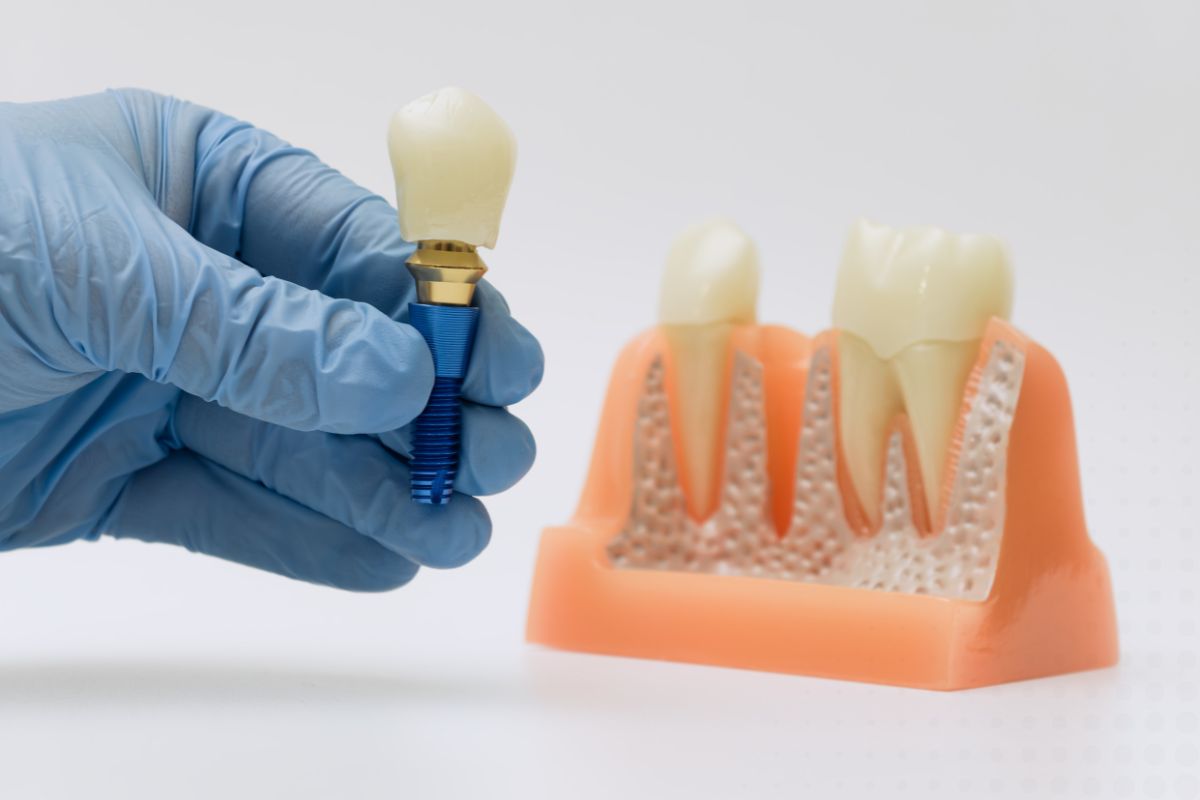
Let’s briefly understand why dental implants are considered a superior tooth replacement option. Dental implants are titanium posts surgically inserted into the jawbone to serve as artificial tooth roots. They provide a sturdy foundation for attaching replacement teeth, such as crowns, bridges, or dentures. Unlike traditional dentures or bridges, dental implants offer unparalleled stability, functionality, and aesthetics, closely mimicking the look and feel of natural teeth. Additionally, they help preserve jawbone integrity and prevent bone loss, which commonly occurs after tooth loss.
Factors Influencing Dental Implant Success
1. Bone Quantity and Quality:
The success of dental implants hinges significantly on the quantity and quality of the jawbone. Sufficient bone volume and density are essential for the implant to integrate properly and support the load of chewing. In cases where the bone is insufficient or compromised due to factors like periodontal disease or tooth loss, bone grafting procedures may be necessary to augment the bone volume and enhance implant stability.
2. Osseointegration:
Osseointegration refers to the process where the dental implant fuses with the surrounding bone tissue. This integration is crucial for the long-term success of the implant. Factors such as implant design, surface texture, surgical technique, and the patient’s overall health can influence the rate and extent of osseointegration. Proper implant placement and adherence to postoperative care instructions are essential to promote successful osseointegration.
3. Patient’s Overall Health:
The general health and systemic condition of the patient play a significant role in dental implant success. Chronic diseases such as diabetes, autoimmune disorders, and uncontrolled periodontal disease can impair the body’s healing capacity and increase the risk of implant failure. Smoking is another detrimental factor that compromises blood flow and delays wound healing, negatively impacting implant integration. Therefore, patients should undergo a thorough medical evaluation before undergoing implant surgery, and lifestyle modifications may be recommended to optimize the chances of success.
4. Dental Implant Maintenance:
Proper oral hygiene and regular maintenance are essential for preserving the longevity of dental implants. Patients must adhere to meticulous oral care practices, including brushing, flossing, and using antimicrobial mouth rinses, to prevent peri-implant diseases such as peri-implantitis. Routine dental check-ups and professional cleanings are also crucial for early detection and management of any issues that may arise around the implants.
5. Implant Design and Materials:
The design and materials used in dental implants can influence their long-term success. Titanium implants are the most commonly used due to their biocompatibility and ability to integrate with the bone. However, advancements in implant technology have introduced alternative materials such as zirconia, which offer excellent esthetics and biocompatibility. Additionally, factors like implant surface roughness, thread design, and prosthetic components can impact the stability and functionality of the implant.
In conclusion, the success of dental implants relies on a multitude of factors, ranging from patient-related variables to surgical techniques and implant characteristics. By addressing these factors comprehensively and tailoring treatment plans to individual patient needs, dental professionals can maximize the likelihood of implant success and ensure optimal outcomes. Patients also play a crucial role by maintaining good oral hygiene, adopting a healthy lifestyle, and carefully following postoperative care instructions. With a collaborative approach between patients and dental professionals, dental implants can truly transform lives—restoring smiles, confidence, and overall quality of life.
If you’re considering dental implants in Queen Creek, schedule your consultation with the experienced team at Affinity Dental Queen Creek today and take the first step toward a healthier, more confident smile.