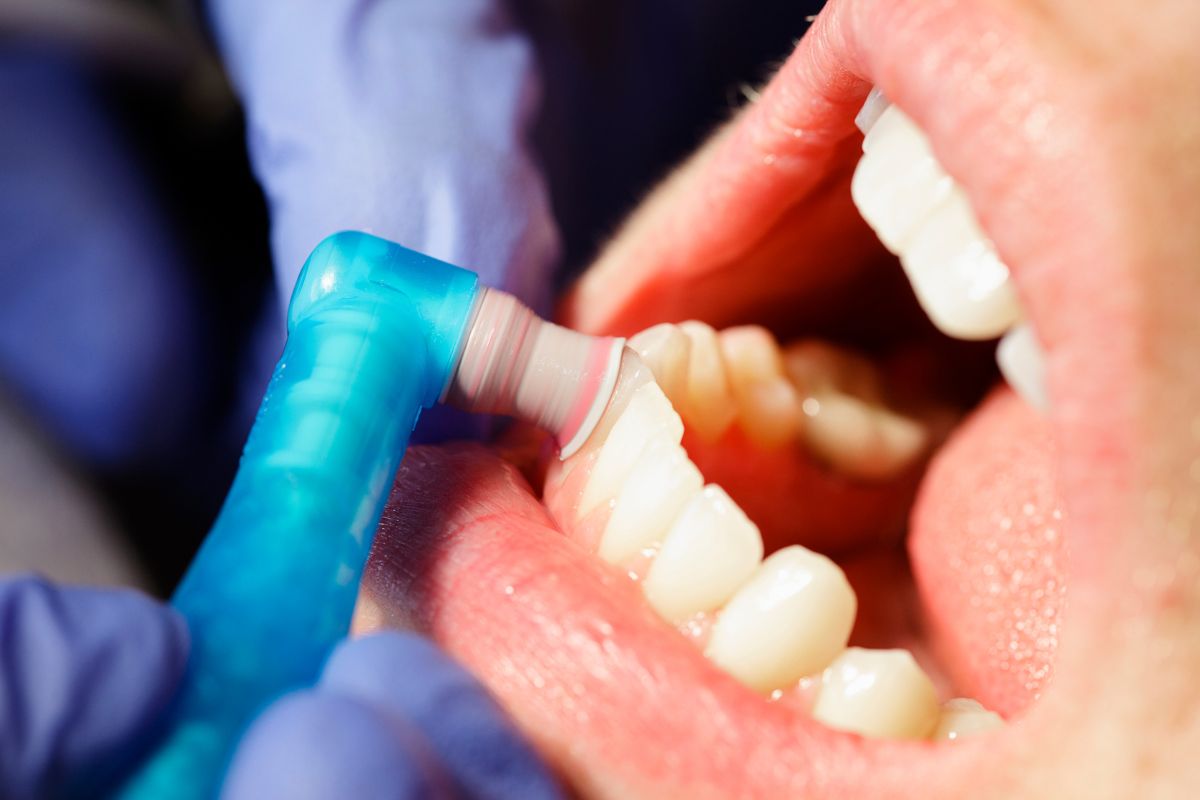
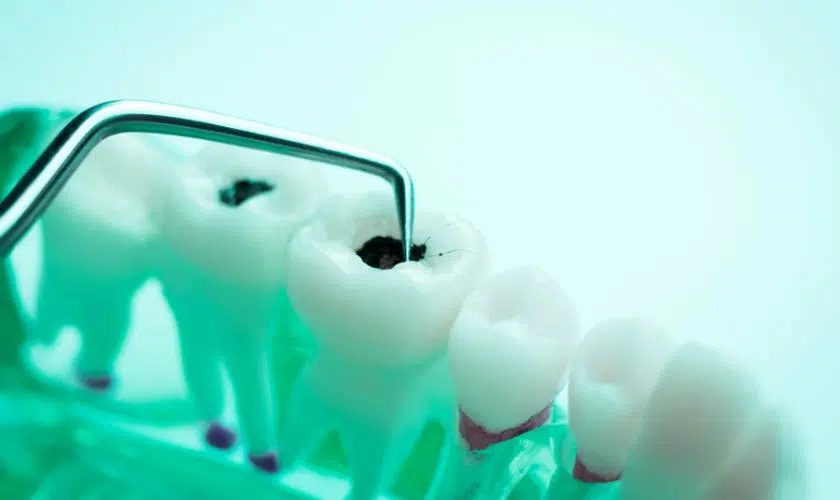
The thought of treating a cavity often brings to mind the sound of a dental drill but modern dentistry has evolved. Today, certain cavities can be treated using minimally invasive techniques that preserve more of your natural tooth structure. At Affinity Dental Queen Creek, led by Dr. Kelly B. Wettstein, advanced, patient-focused approaches are used to address early decay comfortably and effectively often without the need for traditional drilling.
Understanding Cavities and Traditional Treatment
Before delving into the methods of cavity treatment without drilling, it’s essential to grasp the basics. Cavities, also known as dental caries, are decayed areas of teeth caused by bacterial activity. These tiny holes can lead to pain, sensitivity, and, if left untreated, more serious oral health issues. If you’re searching for a trusted dentist in Queen Creek, Dr. Kelly B. Wettstein provides thorough evaluations to detect and treat decay early.
Traditionally, the primary approach to treating cavities involved drilling out the decayed portion of the tooth and filling it with a restorative material, such as amalgam or composite resin. While effective, this method often induces anxiety in patients due to the noise, vibration, and discomfort associated with drilling. At Affinity Dental Queen Creek, patient comfort and modern, minimally invasive techniques are always a priority.
The Rise of Minimally Invasive Dentistry to Fix Cavities
In recent years, there has been a paradigm shift towards minimally invasive dentistry, driven by advancements in technology and a growing emphasis on patient comfort. Family dentists, in particular, have embraced these innovative approaches to provide their patients with gentler, drill-free cavity treatments.
1. Fluoride Treatments
One of the simplest and least invasive methods for addressing early-stage cavities is through fluoride treatments. Fluoride, a naturally occurring mineral, helps to strengthen tooth enamel and can even reverse the early stages of tooth decay. During a fluoride treatment, the dentist applies a concentrated fluoride solution to the affected tooth, promoting remineralization and halting the progression of cavities.
2. Sealants
Dental sealants are another preventive measure used by family dentists to protect teeth from decay. Typically applied to the chewing surfaces of molars and premolars, sealants are thin, plastic coatings that act as a barrier, preventing bacteria and food particles from accumulating in the deep grooves and fissures of the teeth. By sealing off these vulnerable areas, sealants help reduce the risk of cavities without the need for drilling.
3. Air Abrasion
Air abrasion is a drill-free technique that utilizes a stream of tiny abrasive particles, such as aluminum oxide or baking soda, to remove decay from the tooth surface. Unlike traditional drilling, which generates heat and pressure, air abrasion is gentle and minimally invasive, making it an attractive option for patients who experience dental anxiety.
During an air abrasion procedure, the dentist directs the abrasive stream precisely at the decayed area, gradually removing the compromised enamel without causing discomfort or damage to the surrounding healthy tooth structure. Once the decay has been removed, the tooth can be restored using a filling material, such as composite resin.
4. Micro-invasive Therapy
Micro-invasive therapies, such as resin infiltration, offer an innovative approach to treating early-stage cavities without drilling. Resin infiltration involves the use of a clear, resin-based material to infiltrate and fill the pores of the enamel, effectively stopping the progression of cavities. This technique is particularly well-suited for treating incipient lesions or white spot lesions, which are the earliest visible signs of decay.
During a resin infiltration procedure, the dentist applies a specially formulated etching gel to prepare the tooth surface, allowing the resin to penetrate deeply into the enamel. The resin is then applied using a syringe or brush and cured with a curing light to harden it. Once hardened, the resin blends seamlessly with the natural tooth structure, providing a durable and aesthetically pleasing solution to early cavities.
5. Silver Diamine Fluoride (SDF)
Silver diamine fluoride (SDF) is a topical medication that has gained popularity as a non-invasive treatment for cavities, particularly in pediatric dentistry. SDF contains silver ions, which have antibacterial properties, as well as fluoride, which promotes remineralization. When applied to cavities, SDF effectively arrests the decay process, preventing further damage to the tooth.
Unlike traditional cavity treatments, which require drilling and filling, SDF can be applied topically to the affected tooth using a brush or applicator. The application process is quick and painless, making it an ideal option for children or individuals with dental anxiety. While SDF may cause temporary staining of the treated tooth, the benefits of cavity arrest and prevention far outweigh this cosmetic concern.
The evolution of cavity treatment methods has transformed the landscape of modern dentistry, offering patients gentler and less invasive alternatives to traditional drilling and filling. From fluoride treatments and sealants to air abrasion and micro-invasive therapies, family dentists have a wealth of drill-free options at their disposal to effectively treat cavities and preserve oral health.
By embracing these innovative techniques and prioritizing patient comfort and satisfaction, family dentists are not only revolutionizing the way cavities are treated but also fostering a culture of preventive care and proactive oral hygiene. With the guidance and expertise of a dedicated dentist, patients can enjoy healthy smiles for years to come, without the dread of the dental drill.
At Affinity Dental Queen Creek, we focus on comfortable, modern solutions tailored to your needs. Schedule your appointment or visit our clinic today and take the next step toward a healthier, stress-free smile.