Dental implants have revolutionized the field of dentistry, offering a permanent and effective solution to tooth loss. Whether caused by decay, trauma, or other dental issues, missing teeth can impact one’s oral health and self-confidence. The residents are increasingly turning to dental implants to restore their smiles and regain optimal oral functionality. In this blog post, we will delve into the science behind how dental implants work, shedding light on the intricate processes that make them a remarkable solution for tooth replacement.
Understanding the Anatomy of a Dental Implant
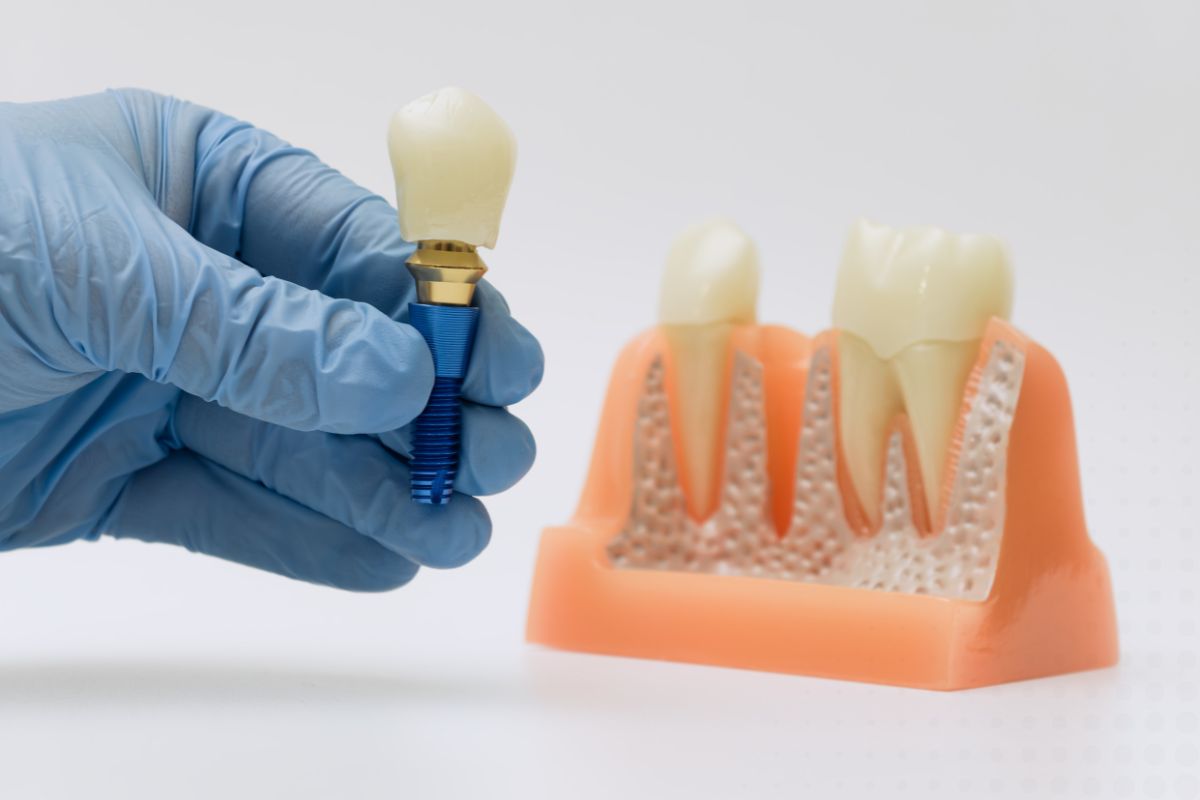
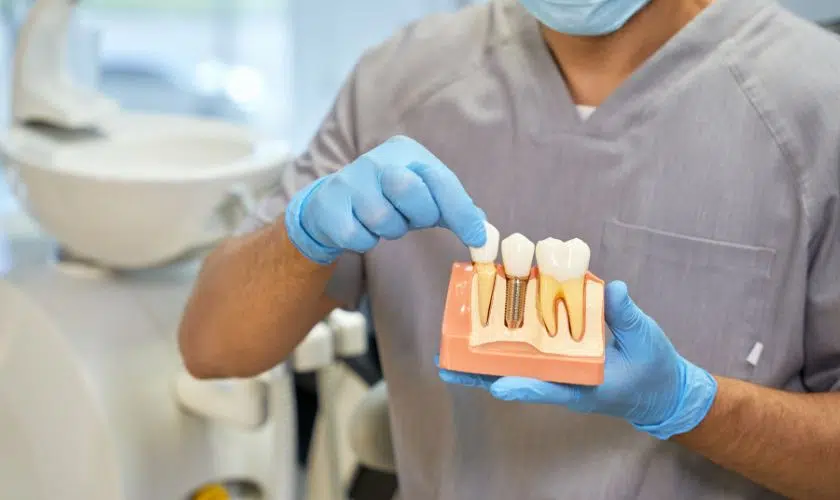
Before delving into the science, it’s essential to comprehend the basic anatomy of a dental implant. A dental implant consists of three main components: the implant itself, the abutment, and the crown.
1. The Implant: Typically made of titanium, the implant is a small, screw-like post that is surgically placed into the jawbone. Titanium is chosen for its biocompatibility, meaning it integrates well with the surrounding bone tissue.
2. The Abutment: This connector piece is attached to the implant and extends above the gum line. The abutment serves as a foundation for the placement of the crown.
3. The Crown: The visible part of the dental implant, the crown, is custom-made to match the color, shape, and size of the natural teeth. It is securely attached to the abutment, completing the restoration.
Osseointegration: The Key to Success
The remarkable success of dental implants lies in a process called osseointegration. This biological phenomenon occurs when the titanium implant fuses with the surrounding bone tissue. The initial step involves the surgical placement of the implant into the jawbone. Over the next few months, the bone tissue grows around and bonds with the implant, creating a strong and stable foundation.
Osseointegration is a crucial factor in ensuring the long-term success of dental implants. It provides unparalleled stability, mimicking the natural tooth root and preventing issues such as slippage or discomfort commonly associated with removable dentures. In Queen Creek, dental implants have gained popularity due to their ability to restore not only the appearance but also the functionality of natural teeth.
The Role of Biocompatible Materials
The choice of materials plays a pivotal role in the success of dental implants. Titanium, known for its biocompatibility, is widely used in implant dentistry. Biocompatibility refers to the ability of a material to integrate seamlessly with the body’s natural tissues without causing adverse reactions.
In the case of dental implants, titanium’s unique properties make it an ideal choice. When the implant is placed in the jawbone, the surrounding bone cells recognize titanium as a friendly material, encouraging the osseointegration process. This ensures a strong and durable bond between the implant and the bone, providing a solid foundation for the prosthetic tooth.
Innovations in Implant Design
Advancements in dental implant technology have led to innovative designs that enhance overall performance and success rates. One notable development is the use of surface modifications on implant structures. These modifications, such as etching or coating the implant surface, aim to improve osseointegration by promoting faster and more robust bone bonding.
Additionally, improvements in the design of implant threads and shapes contribute to enhanced stability during placement and increased contact with the surrounding bone. These advancements not only expedite the healing process but also enhance the long-term success of dental implants.
The Importance of Proper Aftercare
While the science behind dental implants ensures a strong foundation, proper aftercare is essential for a successful and lasting outcome. Patients seeking dental implants in Queen Creek are advised to follow post-surgical instructions provided by their dental professionals diligently. This includes maintaining good oral hygiene practices, attending follow-up appointments, and avoiding habits that may compromise the implant’s stability.
Regular dental check-ups are crucial to monitor the implant’s condition and address any potential issues promptly. With proper care, dental implants can last a lifetime, making them a cost-effective and enduring solution for tooth replacement.
Dental implants have transformed the landscape of modern dentistry, offering a scientifically grounded solution to tooth loss. The combination of biocompatible materials, innovative designs, and the remarkable process of osseointegration ensures the success and longevity of dental implants. In Queen Creek, where residents seek reliable and long-lasting dental solutions, the science behind dental implants aligns perfectly with the quest for optimal oral health and restored smiles. As technology continues to advance, the future holds even more promising developments in the field of implant dentistry, further enhancing the lives of those who choose this groundbreaking solution.