
Replacing missing teeth can improve more than the appearance of your smile. It can also help restore chewing ability, support oral health, and make everyday activities more comfortable. Dental implants in Queen Creek are a popular tooth replacement option because they provide a stable foundation for artificial teeth while helping preserve important oral structures.
At Affinity Dental, patients can explore tooth replacement options based on their oral health, jawbone condition, and individual needs. Understanding how dental implants work and what makes them effective can help you make a more informed decision about restoring your smile.
How Do Dental Implants Work?
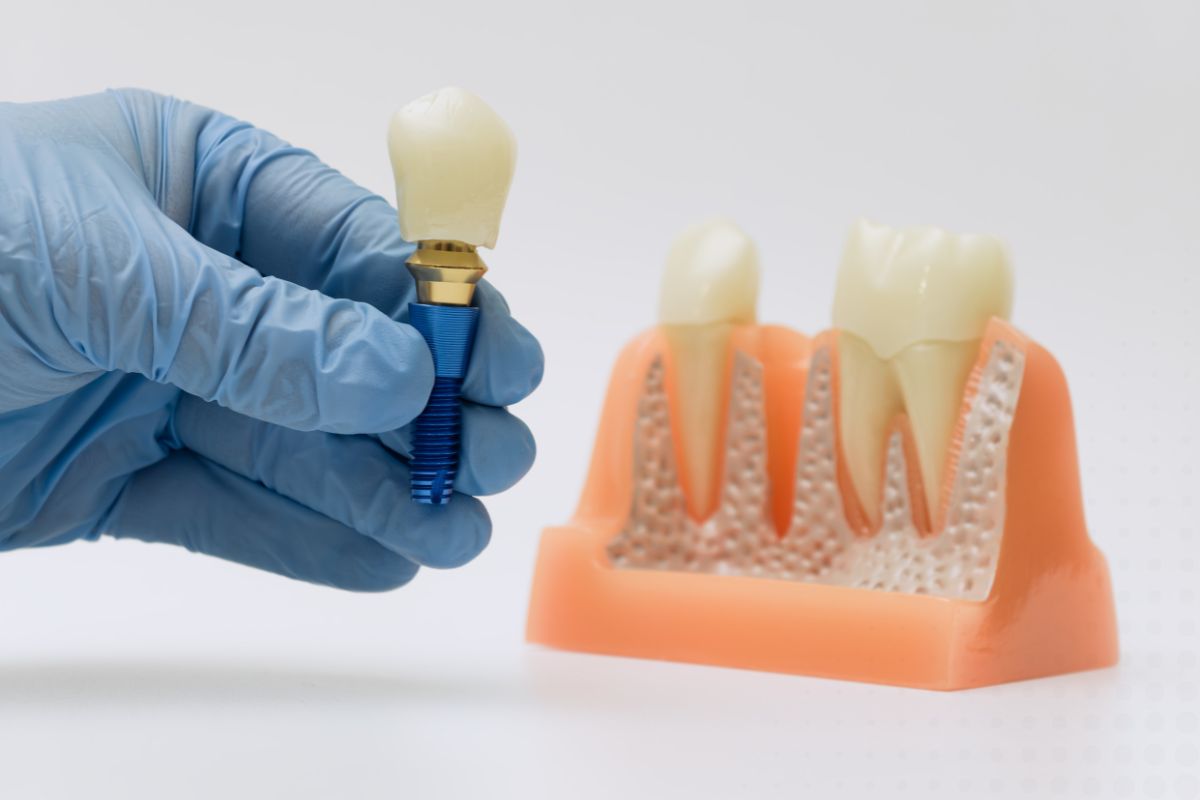
Dental implants replace missing teeth by using a small post, usually made of titanium, that a dentist places in the jawbone. Over time, the bone can bond with the implant through a natural healing process called osseointegration. This creates a stable foundation for a replacement tooth.
After the implant site has healed sufficiently, a custom restoration, such as a dental crown, can be attached to complete the replacement. Depending on the patient’s needs, implants may support a single crown, multiple replacement teeth, or a full-arch restoration.
The treatment process varies according to the number of missing teeth, bone health, and overall oral condition. Your dentist can determine whether dental implants are an appropriate option after evaluating your smile.
1. Dental Implants Provide a Natural Look and Feel
One of the main reasons dental implants are effective is their ability to closely resemble natural teeth. The visible restoration is designed to complement the color, shape, and size of the surrounding teeth, helping create a balanced and natural-looking smile.
Unlike removable dentures, an implant-supported crown is secured to an implant rather than resting directly on the gums. Once the restoration is complete and healing has progressed, many patients find that implants feel comfortable during everyday activities.
Dental implants can also help patients feel more confident when speaking, smiling, and eating. The final appearance depends on factors such as gum health, restoration design, and the position of the implant.
2. They Offer a Durable Tooth Replacement Option
Dental implants are designed to provide long-term support for replacement teeth. The implant post integrates with the jawbone, creating a stable base for the restoration attached above it.
With proper placement, good oral hygiene, and regular dental visits, implants can serve patients for many years. However, their longevity depends on several factors, including bone health, gum condition, smoking habits, and how consistently patients follow their dentist’s care instructions.
The implant post and the attached crown have different maintenance needs. Although the implant itself may last for many years, the crown can experience wear and may eventually require repair or replacement.
For patients considering dental implants in Queen Creek, discussing long-term maintenance with a dental professional can help set realistic expectations.
3. Dental Implants Help Preserve Jawbone Health
When a tooth is lost, the jawbone in that area may gradually lose density because it no longer receives the stimulation associated with the tooth root. Over time, this bone loss can affect the shape of the jaw and the support available for neighboring teeth.
Dental implants can help address this concern because the implant transfers chewing forces to the surrounding bone. This stimulation can help maintain bone in the area where the implant is placed.
However, implants do not guarantee that all future bone loss will be prevented. Existing bone loss, gum disease, and other oral health conditions may affect treatment suitability and outcomes.
A dental examination and appropriate imaging can help determine whether sufficient bone is available for implant placement or whether additional treatment may be needed.
4. They Restore Chewing Function
Missing teeth can make it difficult to bite into certain foods or chew comfortably. Gaps in the smile may also affect how chewing forces are distributed across the remaining teeth.
Dental implants provide a stable foundation for replacement teeth, allowing many patients to regain useful chewing function after treatment and healing. Unlike conventional removable dentures, properly restored implants are anchored in the jawbone and are not designed to move during normal use.
Patients can gradually return to their usual eating routines according to their dentist’s instructions. The foods they can comfortably eat will depend on the type of restoration, healing progress, and overall oral health.
Restoring chewing function can make meals more comfortable and help patients maintain a varied diet.
5. Dental Implants Can Help Maintain Tooth Alignment
When a tooth is missing, neighboring teeth may gradually move toward the empty space. This movement can change the way the upper and lower teeth meet and may create areas where food becomes trapped.
Replacing the missing tooth with a dental implant and an appropriately designed restoration can help maintain the space and support the existing tooth arrangement.
Implants do not prevent every type of tooth movement, and they do not replace the need for orthodontic treatment when alignment problems already exist. However, they can provide a functional replacement for a missing tooth without relying on adjacent teeth for support.
A dentist can assess the surrounding teeth and bite to determine the most suitable replacement approach.
6. They Can Improve Speech and Everyday Comfort
Missing teeth can affect the way some people pronounce particular sounds. Removable dentures may also shift or feel unstable, especially if their fit changes over time.
Dental implants can provide a more secure foundation for replacement teeth. Because implant-supported restorations are anchored in place, they may help reduce the movement associated with removable appliances.
Speech improvements depend on which teeth are missing and how the replacement restoration is designed. Patients may need time to adjust to their new teeth, particularly when several teeth are replaced.
Maintaining healthy gums and keeping the restoration clean are important parts of preserving comfort over the long term.
7. Dental Implants Do Not Require Support From Neighboring Teeth
A traditional dental bridge usually relies on neighboring teeth for support. Preparing those teeth may involve removing some of their natural tooth structure.
A dental implant can replace a missing tooth independently, which often allows the neighboring teeth to remain intact. This can be an important consideration when deciding between an implant and a conventional bridge.
However, the best choice depends on the condition of the surrounding teeth, available bone, treatment timeline, and overall cost. A bridge may still be appropriate for some patients, while others may benefit from implant-supported treatment.
Unlike a traditional bridge, dental implants can replace missing teeth without relying on neighboring teeth for support, making them a suitable option for patients looking to restore their smile while preserving their natural teeth.
Who Is a Good Candidate for Dental Implants?
Dental implants can be suitable for adults who have one or more missing teeth and want a fixed replacement option. Successful treatment generally requires healthy gums, adequate jawbone support, and the ability to maintain good oral hygiene.
Several factors can influence candidacy, including:
- Jawbone condition: Adequate bone is important for supporting the implant. Some patients may need bone grafting before placement.
- Gum health: Active gum disease should be addressed before implant treatment.
- Overall health: Certain medical conditions and medications can influence healing.
- Lifestyle habits: Smoking can increase the risk of implant complications.
- Commitment to maintenance: Daily cleaning and regular dental checkups help protect the implant and surrounding tissues.
Even if you have experienced bone loss, dental implants may still be possible in some circumstances. A personalized evaluation can help identify suitable treatment options.
Why Choose Affinity Dental for Dental Implants in Queen Creek?
Choosing a tooth replacement option involves more than comparing treatments. Patients should understand the benefits, limitations, expected timeline, and maintenance requirements before proceeding.
Affinity Dental in Queen Creek can help patients explore restorative dentistry options according to their oral health needs. An evaluation can help determine whether dental implants are appropriate and identify any additional steps needed before treatment.
The dental team can also explain how implants compare with bridges and dentures so patients can make an informed decision about restoring missing teeth.
Restore Your Smile With Dental Implants in Queen Creek
Dental implants can provide a natural-looking, stable, and long-lasting solution for replacing missing teeth. They can help restore chewing function, support jawbone health, and replace teeth without depending on neighboring teeth for support. The results depend on individual oral health, treatment planning, and ongoing care.
If you are considering dental implants in Queen Creek, schedule your appointment with Affinity Dental to discuss your tooth replacement options and determine whether implant treatment is right for you. A dental evaluation is the first step toward creating a treatment plan tailored to your needs.